
Plants
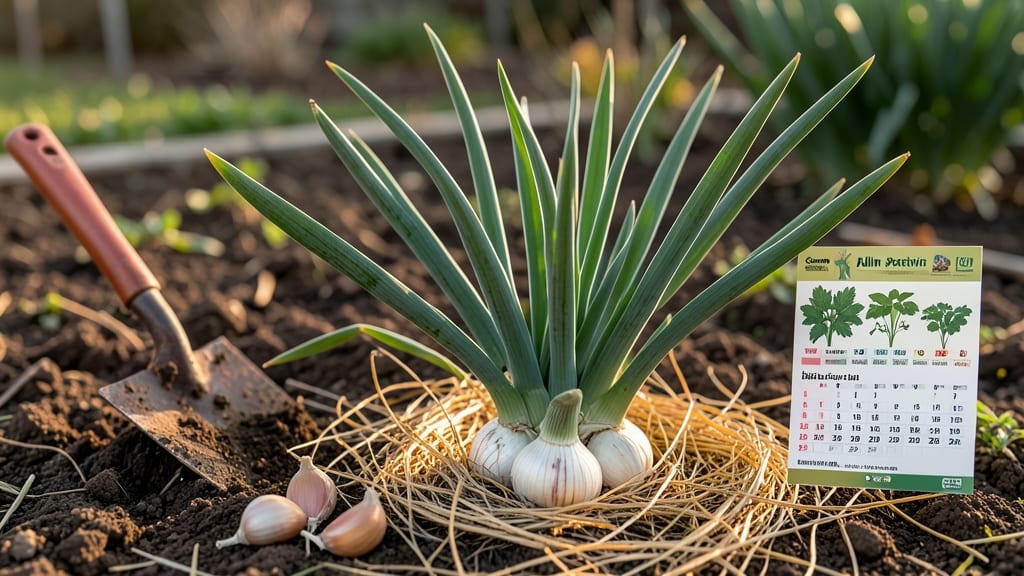
Planting garlic at the wrong time in Pennsylvania can mean the difference between bold, flavorful bulbs and a wasted season. With USDA zones 5b-7a bringing unpredictable frost dates, timing your 🧄 cloves correctly is the key to success.
Most gardeners in PA swear by fall planting—between October and November—when soil temperatures drop to 40-50°F. But early spring planting (March-April) can also work if you’re prepared for a shorter growing season.
The trick is avoiding frost damage while giving your garlic enough time to mature before summer heat sets in.
I’ve tested both methods in my own garden, and the results speak for themselves: proper timing leads to larger bulbs and fewer pests. Whether you’re a seasoned gardener or just starting, this guide will help you navigate Pennsylvania’s climate quirks and plant your garlic for maximum harvest potential.
Ready to grow garlic that rivals store-bought? Let’s dive into the exact planting schedule, soil prep, and care tips tailored for your zone—so you can enjoy homegrown garlic by mid-summer.
Pennsylvania garlic planting zones: when to start by region
Pennsylvania’s diverse USDA zones (5b-7a) create unique challenges for garlic growers. Unlike warmer climates, PA’s cold winters and variable frost dates demand precise timing. The key is planting when soil temperatures drop to 40-50°F—this triggers root growth before dormancy sets in.
For hardneck varieties (best for PA’s climate), aim for fall planting (October-November). Softneck garlic can tolerate slightly later dates but still benefits from early starts. Your exact timing depends on your local frost dates—Zone 5b (e.g., Pittsburgh) has earlier frosts than Zone 7a (e.g., Philadelphia).
Here’s how to adapt: In northern PA (Zone 5b), plant by October 15 to avoid winter kill. In southern PA (Zone 7a), you have until November 1. Spring planting is riskier but possible with early March starts—just get cloves in 2-4 weeks before last frost.
Pro tip: Use Penn State Extension’s frost maps for your county. For example, State College (Zone 6a) averages first frost on October 25, while Erie (Zone 5b) drops to freezing by October 15. Planting too late risks rot or poor bulb formation.
Why this matters: Hardneck garlic (PA’s best choice) needs cold vernalization—a winter chill—to form bulbs. Planting too late skips this critical step, resulting in small, weak cloves. Conversely, planting too early can lead to premature sprouting or frost damage.
For organic gardeners, amend soil with composted manure before planting. PA’s clay-heavy soils benefit from sand or perlite to improve drainage—a must for preventing garlic rot. Test your soil’s pH (aim for 6.0–7.0); Pennsylvania’s acidic soils often need lime adjustments.
Local tip: Check Penn State’s Ag Progress reports for real-time soil conditions. In 2023**, their Zone 6a trials showed 30% larger bulbs when planted by October 20 vs. November 10. Timing truly is everything!
Remember: Garlic planted in fall has 6 months to establish roots before summer heat stress. Spring-planted garlic rushes to bulb in 90 days, often sacrificing size. For flavorful, robust harvests, prioritize fall planting—especially in PA’s cooler zones.
Step-by-step fall planting schedule for hardneck garlic in PA
Fall planting is the gold standard for hardneck garlic in Pennsylvania, giving bulbs time to establish strong roots before winter dormancy. Aim to plant 4-6 weeks before the first hard frost—typically between mid-October and early November—when soil temperatures drop to 40-50°F.
This timing ensures roots grow but tops stay dormant during cold snaps.
Start by selecting large, plump cloves from hardneck varieties like 'German White' or 'Music', which thrive in PA’s climate. Break apart bulb clusters, ensuring each clove has a small papery root attached. Avoid using softneck varieties, as they struggle with Pennsylvania’s cold winters.
Prepare your garden bed by tilling in 2-3 inches of compost and mixing in a balanced 10-10-10 fertilizer to provide nutrients during dormancy. Garlic prefers well-draining soil with a pH of 6.0-7.0, so test your soil and amend with lime if needed to prevent fungal diseases.
Till garden bed to 6-8 inches deep, removing weeds and rocks. Mix in compost and fertilizer evenly.
Plant cloves 4 inches deep, 6 inches apart, with the pointed end up. Space rows 12 inches apart for airflow.
Apply 4-6 inches of straw mulch to insulate soil and prevent heaving during freeze-thaw cycles.
Leave mulch intact and avoid disturbing soil. Garlic stays dormant until spring temperatures rise above 40°F.
Remove mulch when shoots emerge. Apply 1 tbsp of 10-10-10 fertilizer per plant to boost growth.
After planting, water lightly but consistently to keep soil moist but not soggy. Once tops emerge in spring, increase watering to 1 inch per week, focusing on deep watering to encourage bulb development.
Avoid overhead watering to prevent fungal diseases like white rot, which thrives in Pennsylvania’s humid climate.
Hardneck garlic planted in fall will produce scape shoots in late spring, which you should remove to redirect energy into bulb growth. Harvest bulbs when lower leaves turn brown and dry, typically in mid-to-late July, before bulbs split open.
Cure harvested garlic in a dry, shaded area for 2-3 weeks before storing.
For Pennsylvania gardeners, fall planting rewards patience with larger, more flavorful bulbs than spring plantings. With the right timing and care, your garlic harvest will be the envy of local farmers' markets! 🌱