
Trees
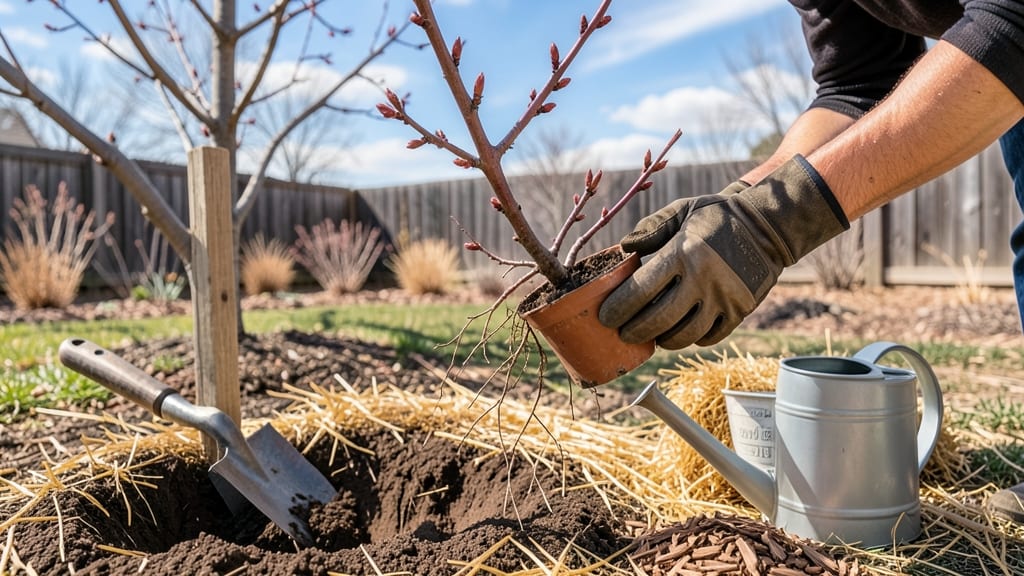
Planting fruit trees in Colorado isn’t just about sticking a sapling in the ground—it’s about timing the chill hours right to ensure your 🍎 thrives. One wrong move, and your investment could freeze before it even flowers.
But here’s the good news: with the right window, you’ll set your tree up for decades of harvests, from crisp apples to juicy peaches.
Most Colorado gardeners plant in late winter or early spring, but the exact timing depends on your USDA zone (5-7) and elevation.
Whether you’re on the Front Range or the Western Slope, understanding when to plant means avoiding early frosts and giving roots time to establish before summer heat hits.
In this guide, I’ll break down the best months for planting, how to match varieties to your local chill hours, and the 3 critical steps to prep your soil for success. No more guesswork—just a foolproof plan for fruit trees that grow strong and bear fruit year after year.
Ready to turn your backyard into an orchard? Let’s get started with the exact planting schedule that works for Colorado’s climate.
Colorado fruit tree planting zones: chill-hours breakdown by region
Colorado’s diverse climate—from the Front Range’s high desert to the Western Slope’s arid valleys—creates unique challenges for fruit tree growers. The key to success? Matching your fruit tree varieties to their chill-hour requirements, which determine whether buds break dormancy and produce fruit.
Most Colorado regions fall under USDA Zones 5-7, but microclimates can shift chill-hour needs dramatically.
For example, apples and pears typically need 500-800 chill hours, while peaches and plums often require 300-500 chill hours. If you plant a low-chill variety in a high-altitude zone, you’ll end up with no fruit—just pretty blossoms that drop off.
Let’s break down the chill-hour needs by region so you can pick the perfect tree for your yard.
🌱 Chill-Hour 101: These are the hours below 45°F (7°C) a tree needs to transition from dormancy to flowering. Colorado’s Front Range (Denver, Boulder) usually gets 600-800 chill hours, while the Western Slope (Grand Junction, Durango) often sees 400-600 chill hours. The Eastern Plains (Fort Collins, Colorado Springs) can vary widely due to urban heat islands.
| Region | Avg. Chill Hours | Best Fruit Trees | Avoid These |
|---|---|---|---|
| Front Range (Denver/Boulder) | 600-800 | Apples, Pears, Cherries | Low-chill peaches (<300 hrs) |
| Western Slope (Grand Junction) | 400-600 | Plums, Apricots, Low-Chill Peaches | High-chill apples (>700 hrs) |
| Eastern Plains (Fort Collins) | 500-700 | Cherries, Pears, Cold-Hardy Apples | Tropical fruits (citrus, figs) |
If you’re in Zone 6 (Denver metro), ‘Honeycrisp’ apples (700 chill hours) will thrive, while ‘Reliance’ peaches (300 chill hours) might struggle. Conversely, in Zone 5 (mountain towns like Frisco), ‘Freedom’ apple (500 chill hours) is a safer bet.
Always check the USDA Plant Hardiness Zone Map and your local Cooperative Extension office for precise data.
Pro tip: Use a chill-hour calculator (like the one from Washington State University) to input your local weather data. This tool compares your area’s chill hours to a tree’s needs—saving you from buying the wrong variety.
For example, ‘Montmorency’ cherries (500 chill hours) are perfect for Colorado Springs, but ‘Starking Delicious’ apples (800 chill hours) might fail to fruit in Grand Junction.
Don’t overlook microclimates—a south-facing slope can add 100+ extra chill hours compared to a north-facing yard. If you’re unsure, start with dwarf or semi-dwarf trees; they’re easier to move if you realize the chill hours don’t match.
And always plant two compatible varieties for cross-pollination (e.g., ‘Gala’ and ‘Fuji’ apples).
For high-altitude gardens (above 7,000 ft), prioritize cold-hardy rootstocks like M.9 (dwarf) or MM.106 (semi-dwarf). These help trees survive late spring frosts, which can devastate blossoms. Pair them with late-blooming varieties like ‘Enterprise’ apple to reduce frost risk.
Finally, keep an eye on winter temperatures. If your area dips below -10°F (-23°C), choose trees labeled “extremely cold-hardy”, such as ‘Kanzi’ apple or ‘Methley’ plum. These varieties can handle Colorado’s winter extremes while still delivering reliable harvests.
🌿 Now that you’ve matched your region to the right chill-hour varieties, the next step is timing your planting window—we’ll cover that in the next section!
Best months to plant fruit trees in Colorado: soil prep to first frost
Timing your fruit tree planting in Colorado isn’t just about the calendar—it’s about aligning with soil temperatures, chill-hour accumulation, and frost-free windows. For most Colorado regions (USDA Zones 5-7), the ideal window spans February through April, but your elevation and microclimate play critical roles.
High-altitude areas like Boulder or Fort Collins may wait until late March, while lower elevations near Denver or Colorado Springs can start as early as February.
Bare-root trees—common in Colorado nurseries—thrive when planted during dormancy (February-March), before buds swell. This gives roots time to establish before spring growth begins.
Container-grown trees offer more flexibility, allowing planting through April or even early May, but avoid late-season planting near first frost dates (October-November), which can stress young trees.
Soil temperature is your secret weapon. Aim for 40-50°F soil temps—use a soil thermometer to check. In Colorado’s dry climate, soil warms faster than in humid regions, so don’t wait too long.
If you’re planting in sandy soils (common on the Western Slope), water deeply 1-2 weeks before planting to improve moisture retention.
📋 Step-by-Step Planting Timeline for Colorado Fruit Trees
- 📅 February (High Elevations) / Late February (Lower Elevations): Plant bare-root trees while dormant. Amend soil with compost and test pH (aim for 6.0-7.0).
- 🌱 March-April (All Regions): Ideal for container-grown trees. Dig a hole twice as wide as the root ball but no deeper. Add organic matter to native soil.
- 💧 First 4-6 Weeks Post-Planting: Water deeply 2-3 times per week (10-20 gallons per tree). Mulch with 3-4 inches of wood chips to retain moisture.
- ✂️ Late April-Early May: Prune dead branches and shape the tree. Avoid heavy pruning—focus on structural support.
- 🌡️ June-August: Monitor for water stress (wilting leaves) and adjust irrigation. Avoid fertilizing—new trees need to establish roots first.
Colorado’s dry, windy conditions demand extra care during the first growing season. After planting, install a tree guard or windbreak to protect young bark from sunscald.
In Zone 5 (eastern Plains), consider wrapping the trunk with tree wrap for winter protection, while Zone 7 (Southern Colorado) may skip this step entirely.
Pro tip: If you miss the spring window, fall planting (September-October) is possible—but only for container-grown trees. Give the roots 6-8 weeks to establish before winter dormancy sets in. Avoid planting in late fall, as freezing soil can damage roots before they acclimate.
Remember, Colorado’s microclimates mean your neighbor’s successful planting time might not work for you. Check your last frost date (use the Colorado State University Extension map) and adjust accordingly.
With the right timing, your fruit tree will reward you with decades of harvests—not just next summer, but for years to come. 🌳