
Flowers
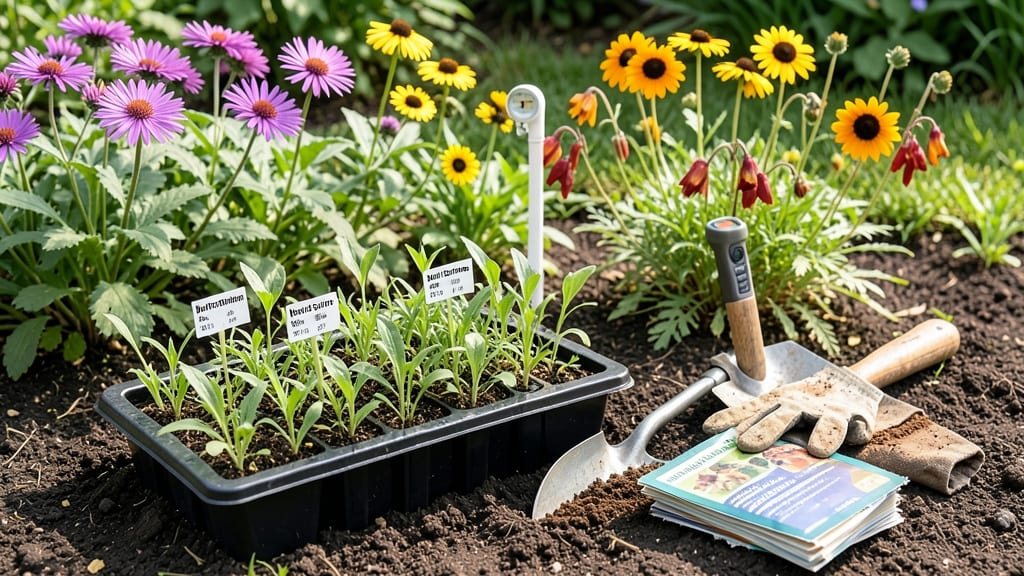
Knowing when to plant flowers in New Hampshire isn’t just about the calendar—it’s about beating the last frost, understanding your USDA zone, and knowing which blooms thrive in the Granite State’s shifting seasons.
With spring frost dates that can vary by weeks across coastal, lake, and mountain regions, planting too early risks losing your 🌱 flowers to a surprise freeze.
I’ve spent years helping NH gardeners navigate these tricky planting windows, and the key is working with—not against—the climate. Whether you’re prepping for spring annuals or planning perennials to return year after year, the right timing ensures vibrant blooms from summer through fall.
Let’s break down exactly when to plant for your specific corner of New Hampshire.
From hardy pansies that tolerate light frosts to heat-loving coneflowers that need warm soil, each flower has its own ideal window. We’ll cover the critical frost dates by region, so you can avoid common mistakes like planting tender varieties too soon or missing the boat on fall bulbs.
Ready to transform your garden into a year-round showstopper?
The secret to success isn’t guessing—it’s strategy. I’ll share my tested methods for extending seasons, protecting plants from late frosts, and choosing the perfect flowers for your microclimate.
Whether you’re in a cozy valley or a chilly mountain town, these tips will help you plant with confidence and enjoy blooms that last.
New Hampshire frost dates by region: critical timing for flower planting
New Hampshire’s frost dates vary dramatically by region, making precise timing essential for successful flower planting. The state spans USDA zones 3b to 5a, with Coastal areas (like Portsmouth) experiencing milder winters than the Mountains (like Mount Washington).
These differences mean your last spring frost could arrive weeks earlier in the Lakes Region than in the White Mountains.
Understanding these variations helps you avoid frost damage to tender plants while maximizing your bloom season. For example, annuals like marigolds can handle cooler soils, while tender perennials like lavender need warmer conditions.
Let’s break down the critical frost windows by NH’s three main climate zones so you can plan with confidence.
🌱 Last Frost Dates by Region (Average): Coastal areas typically see their last frost around April 20–May 1, while inland zones like the Lakes Region average May 10–20. Mountain regions often wait until May 25–June 5. First fall frosts range from September 15–October 15, depending on elevation.
For hardy perennials like coneflowers or daylilies, you can plant as early as late April in Coastal NH once soil temperatures reach 50°F. However, tender annuals like petunias should wait until two weeks after your region’s last frost date to avoid damage.
Use frost-probability maps from the National Weather Service or local Cooperative Extension offices to fine-tune your timing. For example, the White Mountains have a 30% chance of frost as late as June 10, so delay planting heat-loving geraniums until mid-June.
Even within regions, microclimates play a role. South-facing slopes warm up faster, while valleys often experience later frosts. If you’re unsure, use frost cloth or row covers to protect young plants until temperatures stabilize.
For bulbs like tulips and daffodils, plant in fall (October–November) to take advantage of NH’s cold winters, which trigger blooming. The key is getting them in the ground 6–8 weeks before the first hard frost, so they establish roots before dormancy.
Pro tip: Set up frost alarms or monitor local weather forecasts for late-season warnings. A single 28°F night can devastate unprotected plants, even in late May or early September.
Remember, soil temperature matters just as much as air temperature. Use a soil thermometer to confirm 50°F for cool-season crops or 60°F+ for warm-season flowers before planting.
Best flowers to plant in New Hampshire by month: a seasonal planting calendar
New Hampshire’s short growing season demands strategic planting to maximize blooms. Start with cold-hardy annuals in early spring, then transition to heat-loving perennials by summer. This month-by-month guide aligns your plantings with NH’s frost-free windows for continuous color.
For Coastal NH (Zone 5a), aim to plant pansies and snapdragons by mid-April, while Mountain regions (Zone 4a) should wait until late May. Perennials like coneflowers and black-eyed Susans thrive when planted in May-June, giving them time to establish roots before winter.
🌱 April-May is prime for bulbs like daffodils and cold-tolerant annuals such as sweet alyssum. These varieties handle late frosts and brighten early gardens. For container gardening, start petunias indoors in March for May planting.
Extend your season with succession planting: Sow fast-growing annuals like bachelor’s buttons every 3 weeks from May to July. This ensures non-stop blooms until frost. For perennials, prioritize drought-tolerant varieties like lavender and Russian sage to handle NH’s dry spells.
🌿 Pro tip: Use frost blankets to protect tender plants like geraniums until Memorial Day. This buys 2-3 extra weeks of growing time in cooler mountain regions.