
Plants
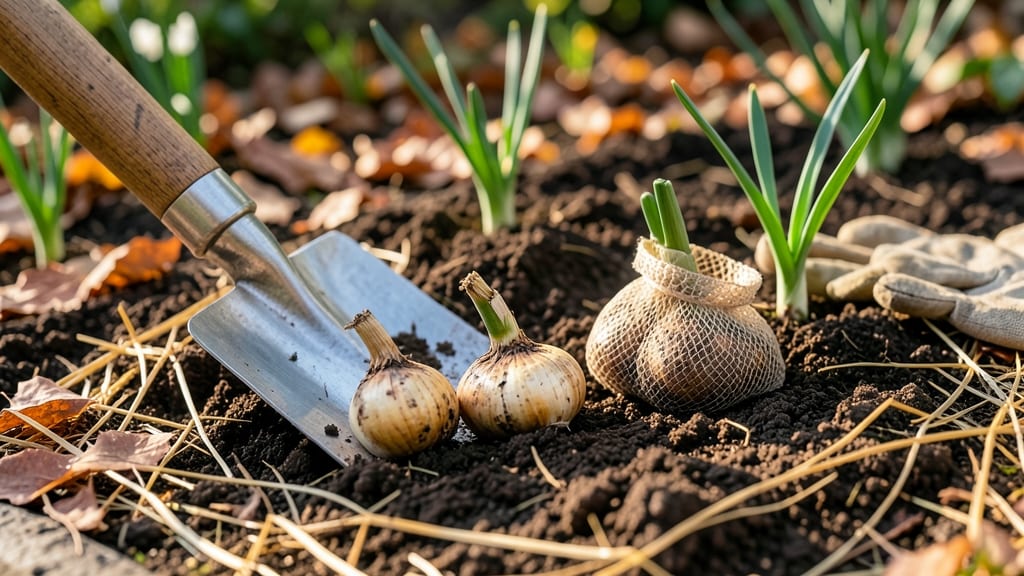
Planting daffodils in Minnesota isn’t just about digging a hole—it’s about timing the chill-hour window perfectly so your 🌼 blooms burst through the snow in spring. Too early, and the bulbs rot; too late, and they’ll miss the critical cold snap that triggers their growth.
In zones 4a-5b, this narrow window between September and October makes all the difference.
Most gardeners in Minnesota know the drill: fall planting is non-negotiable for daffodils. But here’s the catch—your bulbs need 300-500 hours below 45°F to bloom reliably. That means planting 4-6 weeks before the ground freezes, usually in September or early October, depending on your location.
Skip this step, and you might end up with half-hearted blooms—or none at all.
I’ve learned the hard way that Minnesota’s unpredictable frosts can throw off even the best-laid plans. Whether you’re in the Twin Cities or up north, the key is to plant when soil temps hit 60°F and stay consistent.
No rain forecast? That’s your cue. Ready to avoid the common mistakes and guarantee those cheerful 🌼 faces next spring?
Let’s break down the exact months, soil prep tricks, and pro tips to make sure your daffodils don’t just survive Minnesota winters—they thrive and put on a show when the snow melts. You’ll never second-guess your planting schedule again.
Minnesota’s chill-hour requirements for daffodils: what you must know
Daffodils thrive in Minnesota because they need chill-hours—a specific number of hours below 45°F to trigger blooming. Most varieties require 300-500 chill-hours, and Minnesota’s climate zones 4a-5b provide the perfect conditions when planted correctly.
Northern Minnesota (zone 3) naturally accumulates more chill-hours, while the Twin Cities (zone 4b-5a) may need slight adjustments for early-blooming varieties.
Understanding your local chill-hour accumulation is key. For example, Twin Cities gardeners often hit their 500-hour mark by late November, while northern areas like Duluth may reach it by early October. Planting too early (like August) risks rot, while waiting until December might skip the critical cold period entirely.
Here’s how to match your daffodils to Minnesota’s chill-hours:
| Minnesota Region | Chill-Hours Needed | Best Planting Window | Notes |
|---|---|---|---|
| Northern MN (Zone 3) | 400-500 hours | Late August - Early October | Early frost risk; plant deeper (8") |
| Twin Cities (Zone 4b-5a) | 300-450 hours | Mid-September - Mid-October | Optimal for most varieties; avoid late November |
| Southern MN (Zone 5b) | 300-400 hours | Late September - Early November | Warmer soils; test depth before planting |
Daffodils like ‘Ice Follies’ or ‘Tête-à-Tête’ (dwarf varieties) are great for southern Minnesota, while ‘Thalia’ or ‘Gladiator’ handle northern chill better. Always check the chill-hour requirement on your bulb packaging—it’s non-negotiable for reliable blooms.
Soil temperature is just as critical as air temperature. Aim to plant when soil is 60°F or cooler—use a soil thermometer to check. Warmer soils (like in late October) can cause premature sprouting, which weakens bulbs before winter.
In northern Minnesota, where ground freezes faster, prioritize planting by mid-October.
Minnesota’s first frost typically arrives in mid-October, but don’t let that rush you. Daffodil bulbs need 4-6 weeks to establish roots before the ground freezes. If you’re in zone 4a, aim for early October planting—this gives roots time to anchor while still accumulating chill-hours.
Pro tip: Use a bulb planter to dig holes 6-8 inches deep (twice the bulb’s height) and space them 4-6 inches apart. This depth protects bulbs from freeze-thaw heaving and voles.
In rocky or sandy soils (common in northern MN), add a handful of compost to the planting hole to retain moisture.
If you’re unsure about your local chill-hours, check your USDA Plant Hardiness Zone and cross-reference with the Minnesota State Climatology Office. Their historical frost data can help you fine-tune your planting schedule for consistent spring blooms year after year.
Remember, daffodils are perennials, so getting the timing right now means decades of low-maintenance color. Once planted correctly, they’ll naturalize and multiply, becoming a spring staple in your garden.
Best planting months in Minnesota: September vs. October vs. November breakdown
Timing your daffodil planting in Minnesota isn’t just about picking a month—it’s about understanding how soil temperatures, chill-hours, and frost risk interact. September offers the best balance for most gardeners, but October and even early November can work if conditions are right.
Let’s break down each month’s pros and cons to help you choose the perfect window for your USDA Zones 4a-5b garden.
For September planting, aim for mid-to-late September when soil temps drop to 60°F or below. This gives bulbs time to root before winter while still accumulating 300-500 chill-hours needed to bloom.
The Twin Cities region typically sees ideal conditions during this window, with lower frost risk than later months.
October is your safety-net month—perfect if you missed September or face early freezes. Plant by mid-October in southern Minnesota (like Rochester) or early October in northern areas (like Duluth).
Soil should still be workable but cooling rapidly. Just watch for unpredictable thaws, which can cause rot if bulbs sit too wet.
- September Planting
- October Planting
- November Planting
If you’re planting in November, limit this to southern Minnesota (Zones 4b-5a) and only if the ground hasn’t frozen at 4" depth. Northern gardeners should avoid November entirely—bulbs risk heaving (being pushed out of soil) during freeze-thaw cycles.
For all months, mulch heavily after planting (3-4 inches of straw or shredded leaves) to insulate bulbs.
Remember, daffodils need 6-8 weeks of root growth before winter sets in. If you’re unsure about your local frost dates, check the MN State Climatology Office or use a frost calendar app. Planting too late means bulbs won’t establish roots, leading to weak or no blooms next spring.
For extra peace of mind, plant in layers: Start with a base of gravel or sand (to improve drainage), then add bulbs in clusters of 3-5. This mimics natural bulb behavior and ensures consistent blooms. And always water deeply after planting to settle the soil around the bulbs.
🌼