
Plants
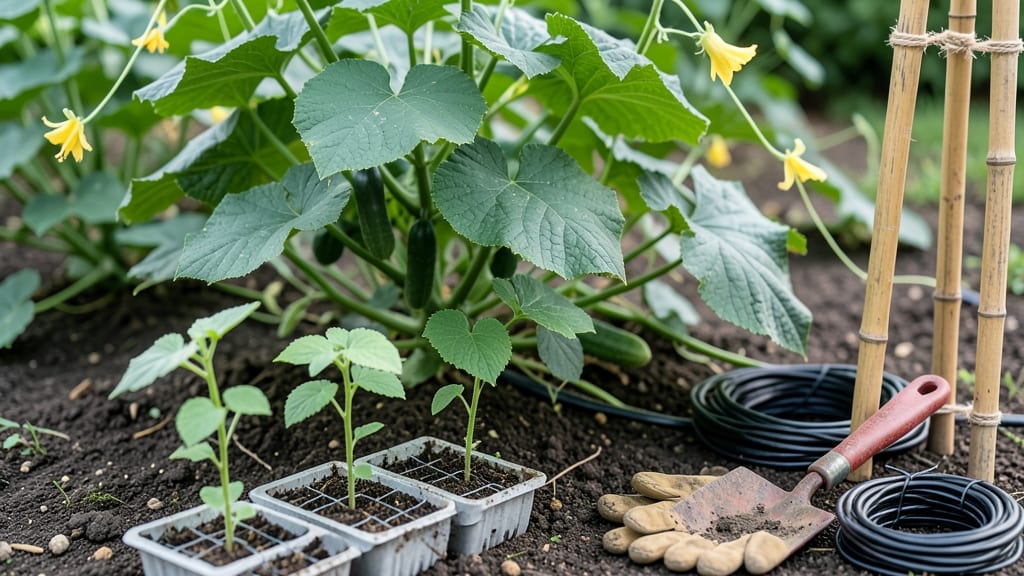
Planting cucumbers in Zone 9b’s relentless heat isn’t just possible—it’s your ticket to a year-round harvest if you nail the timing. The key? Avoiding those brutal summer heat waves that can turn your vines into crispy snacks before they even fruit.
Most gardeners in Phoenix or Southern California deserts assume cucumbers are a spring-only crop, but with the right schedule, you can stretch your harvest well into fall. I’ve tested the perfect planting windows, and the results speak for themselves: bigger yields and healthier plants that actually survive the desert sun.
Here’s what I’ll show you: exactly when to start seeds (hint: it’s not what you think), how to prep soil for heat resistance, and the 3 critical mistakes that kill cucumbers before they bear fruit. No more guessing—just science-backed timing for Zone 9b’s unique climate.
Ready to turn your backyard into a heat-wave-proof cucumber factory? Let’s get started with the exact planting calendar that’s worked for me—and the gardeners I’ve helped—year after year.
Optimal planting windows for cucumbers in Zone 9b: heat tolerance breakdown
Zone 9b’s year-round growing potential means cucumbers can thrive in three distinct seasons—but timing is everything. Unlike cooler zones, you’ll avoid heat shock by planting when soil temps stay between 60–75°F (15–24°C). This sweet spot prevents seed rot while encouraging vigorous growth.
Most gardeners in Zone 9b focus on spring and fall plantings, but summer cucumbers are possible with heat-resistant varieties and shade protection. Let’s break down the best windows to maximize your harvest window without stressing your plants.
📅 Spring Planting (Best for Beginners): Start seeds indoors 8–10 weeks before last frost (though Zone 9b rarely has frost, aim for mid-February to early March). Direct sow outdoors once soil warms to 60°F (15°C), typically late March to April.
Harvests begin in May–June, just as summer heat ramps up. For a second spring crop, succession plant every 2–3 weeks until mid-May to stagger harvests through summer.
| Season | Planting Window | Soil Temp | Harvest Window | Key Tips |
|---|---|---|---|---|
| Spring | Feb–Mar (indoors), Late Mar–Apr (outdoors) | 60–75°F (15–24°C) | May–July | Use black plastic mulch to warm soil faster. |
| Summer | Jun–Jul (with shade) | 70–80°F (21–27°C) | Aug–Sep | Choose ‘Straight Eight’ or ‘Lemon Cucumber’ varieties. |
| Fall | Aug–Sep (direct sow) | 65–75°F (18–24°C) | Oct–Nov | Avoid planting after September 15 for best yields. |
For summer plantings, cucumbers need extra care. Start seeds in late June to early July when daytime temps drop slightly. Use 30–50% shade cloth to protect plants from 100°F+ (38°C+) heat waves, which can cause blossom drop and poor fruit set.
Fall is your second-best window in Zone 9b. Plant seeds directly in August for a harvest by October. Avoid late-summer plantings after September 15, as shortening daylight hours slow growth. Choose bush varieties like ‘Bush Champion’ to save space and reduce heat stress.
Pro tip: Test soil temps with a soil thermometer before planting. Cucumbers won’t germinate well below 60°F (15°C), and soil above 90°F (32°C) can kill seedlings. In Zone 9b, this usually means morning planting to avoid midday heat.
If you miss the spring window, don’t panic—succession planting every 2 weeks through May extends your harvest. Just be prepared to water deeply twice daily during heat waves to keep soil moist.
🌱 For a year-round supply, combine spring, summer, and fall plantings. Start with spring for early harvests, add summer with shade, and finish with fall for late-season cucumbers.
Heat-wave survival tips: how to extend cucumber growth in Zone 9b’s extreme conditions
Zone 9b’s scorching summers can turn cucumber vines into wilting messes if you’re not prepared. The key to success lies in heat management strategies that mimic the plant’s natural preferences—think shade, moisture retention, and timed care.
Unlike cooler zones, cucumbers here need active protection from afternoon sun and soil that stays cool enough to prevent root stress.
Start by choosing heat-resistant varieties like ‘Straight Eight’ or ‘Lemon Cucumber,’ which handle 90°F+ temperatures better than standard types. These varieties are bred to thrive in desert climates and produce even when other cucumbers bolt or turn bitter. Pair them with proactive shade solutions to avoid heat shock.
Never let cucumber plants wilt under 100°F+ heat—this causes permanent damage. Morning watering is critical, but evening water can trap humidity and invite fungal diseases like powdery mildew. Use drip irrigation to deliver water directly to roots without wetting leaves.
Mulching is your secret weapon against heat stress. Apply a 3-inch layer of straw or wood chips around plants to insulate soil and reduce evaporation. This keeps roots 5–10°F cooler than surface temps, which is vital during 110°F+ heat waves. For container-grown cucumbers, use black plastic mulch to absorb heat and protect roots from temperature swings.
Another game-changer? Shade cloth with 30–50% coverage draped over vines during peak afternoon sun (12 PM–4 PM). This filters harmful UV rays while allowing indirect light for photosynthesis.
Secure cloth with clips or weights to prevent flapping, which can damage tender vines. Remove it by late afternoon to recharge plants for nighttime recovery.
Watch for heat shock signs: yellowing leaves, curled vines, or bitter-tasting fruit. These are red flags that your cucumbers are struggling to adapt. Prune overly vigorous growth to redirect energy into fruit production rather than leaf expansion.
Focus on hand-pollination during heat waves by gently shaking vines to boost pollinator activity.
Finally, adjust your watering schedule dynamically. In Zone 9b, daily deep watering is non-negotiable, but overwatering at night can drown roots. Instead, water early morning and late afternoon for a two-pronged hydration approach.
Use a moisture meter to ensure soil stays consistently damp but not soggy—cucumbers hate waterlogged roots just as much as drought.
With these strategies, your cucumbers will thrive year-round in Zone 9b’s extreme climate. The trick is anticipating heat stress before it happens—because once those vines wilt, recovery is slow. 🌱☀️