
Plants
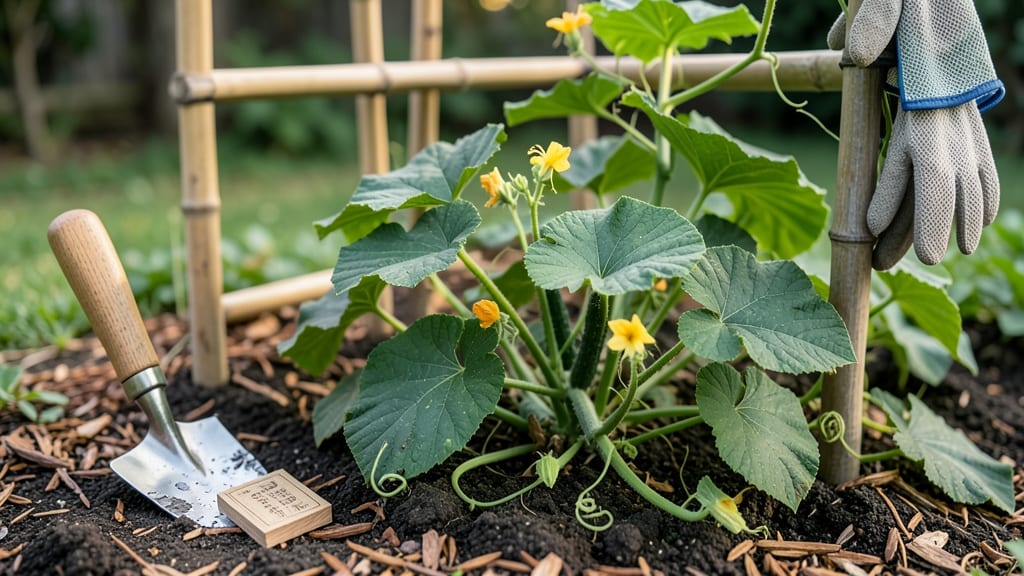
Planting cucumbers in Zone 6 at the wrong time means watching your 🥒 vines bolt before they ever produce a single fruit. The difference between a bumper crop and a wasted effort often comes down to just a few weeks—and knowing exactly when to start.
Most gardeners in 6a-6b rush to get seeds in the ground as soon as the calendar hits April, but that’s a recipe for frost damage. The real secret?
Waiting until soil temperatures hit at least 60°F and all danger of frost has passed—usually mid-April to early June, depending on your exact microclimate.
In this guide, I’ll break down the exact planting window for your Zone 6 garden, plus pro tips to avoid bolting—whether you’re direct-sowing seeds or transplanting young plants. You’ll also learn how to stretch your harvest into fall with simple tricks that work even in cooler Zone 6 summers.
No more guessing games. Let’s get those cucumbers growing the right way, the first time.
Zone 6 cucumber planting dates by last frost timeline
Timing cucumber planting in Zone 6 hinges on last frost dates (typically April 15–May 15) and soil temperature thresholds. Cucumbers need 55°F+ soil to germinate, but 60°F+ ensures faster growth. Planting too early risks frost damage, while waiting too long can trigger bolting (premature flowering).
Most Zone 6 gardeners aim for mid-May as their primary planting window. However, succession planting every 2 weeks after the last frost extends harvests. Check your local USDA frost calendar—some high-elevation areas may need to wait until late May.
For direct sowing, wait until nighttime temperatures stay above 55°F. If transplanting seedlings, harden them off for 7–10 days before setting them out after frost risk passes. Black plastic mulch can warm soil 5–10°F faster, letting you plant 1–2 weeks earlier.
🌱 Zone 6 Cucumber Planting Summary
| Stage | Action | Notes |
|---|---|---|
| Soil Prep | Test pH (6.0–6.8), add compost | Use black plastic mulch for warmth |
| Last Frost | Wait 2 weeks after | Verify soil temp ≥60°F |
| Primary Planting | Mid-May (direct sow) | Space 12–24" apart |
| Succession Plant | Every 2 weeks until July | Extend harvest into fall |
| First Frost | Harvest before mid-October | Use row covers for late-season protection |
If your Zone 6 area has late frosts, opt for cold-hardy varieties like ‘Northern Pickling’ or ‘Sweet Success’. These tolerate cooler soils and milder temperatures, reducing bolting risks. For container growing, plant in late May when soil warms consistently.
Monitor soil temperature with a soil thermometer—cucumbers won’t germinate below 55°F. If nights dip below 50°F, use row covers or cloches to protect seedlings. Overhead watering at night can also delay germination by cooling soil.
For high-elevation Zone 6 (e.g., mountain regions), push planting to late May or early June. These areas often have cooler microclimates and shorter growing seasons. Choose shorter-day varieties like ‘Straight Eight’ to avoid bolting.
Pro tip: Plant radishes or lettuce as early-season companions—they mature quickly and signal when soil is warm enough for cucumbers. By the time you harvest the radishes (3–4 weeks), your cucumber seeds should be ready to sprout.
Remember, consistent moisture is key after planting. Let soil dry slightly between waterings to prevent fungal diseases like powdery mildew, but never allow it to crust over. Drip irrigation keeps leaves dry and roots hydrated.
By following these exact dates and soil conditions, you’ll avoid the two biggest Zone 6 cucumber pitfalls: frost damage and bolting. Next, we’ll cover how to extend your harvest into fall without sacrificing quality.
Zone 6 cucumber planting dates by last frost timeline
In Zone 6, the difference between a bountiful cucumber harvest and a failed crop often comes down to planting timing. Cucumbers are warm-season vegetables that cannot tolerate frost, so knowing your last frost date is critical.
Most Zone 6 gardeners experience their average last frost between April 15 and May 15, but this can vary by elevation and microclimate.
For direct sowing (planting seeds directly in the garden), wait until the soil temperature reaches at least 60°F—this typically aligns with late May in most of Zone 6.
If you’re transplanting seedlings, you can start 2-3 weeks earlier (around early May) once nighttime temperatures stay above 55°F. The key is ensuring no more frost risk and consistent warmth for germination.
Here’s the exact timeline to follow for Zone 6 cucumbers, including soil prep and planting windows:
| Stage | Action | Notes |
|---|---|---|
| Soil Prep | Test soil pH (aim for 6.0–6.8) | Add compost or aged manure for fertility |
| Last Frost | Wait until mid-May (Zone 6 average) | Use a frost clock or local extension service for exact dates |
| Soil Temp | Plant when soil hits 60°F+ | Use a soil thermometer for accuracy |
| Direct Sowing | Late May–early June | Sow seeds 1 inch deep, 2–3 seeds per hill |
| Transplanting | Early May–mid-May | Hardy seedlings from indoor starts |
| Harvest Window | Late June–September | Pick every 2–3 days to encourage production |
If you’re in higher elevations within Zone 6 (e.g., mountains), your last frost may be 2–3 weeks later. Conversely, urban areas often warm up faster. To adjust your timeline, monitor local weather forecasts and use a frost-sensitive plant (like coleus) as a frost indicator.
Pro tip: Black plastic mulch can warm soil by 5–10°F, letting you plant 1–2 weeks earlier in cooler microclimates. Just remove it once vines start running to prevent overheating.
Timing isn’t just about frost—it’s also about avoiding bolting. If cucumbers sense cool nights or stress after germination, they’ll flower and fruit prematurely, then bolt (send up a long stem with seeds) before you get a harvest. This is why consistent warmth is non-negotiable.