
Plants
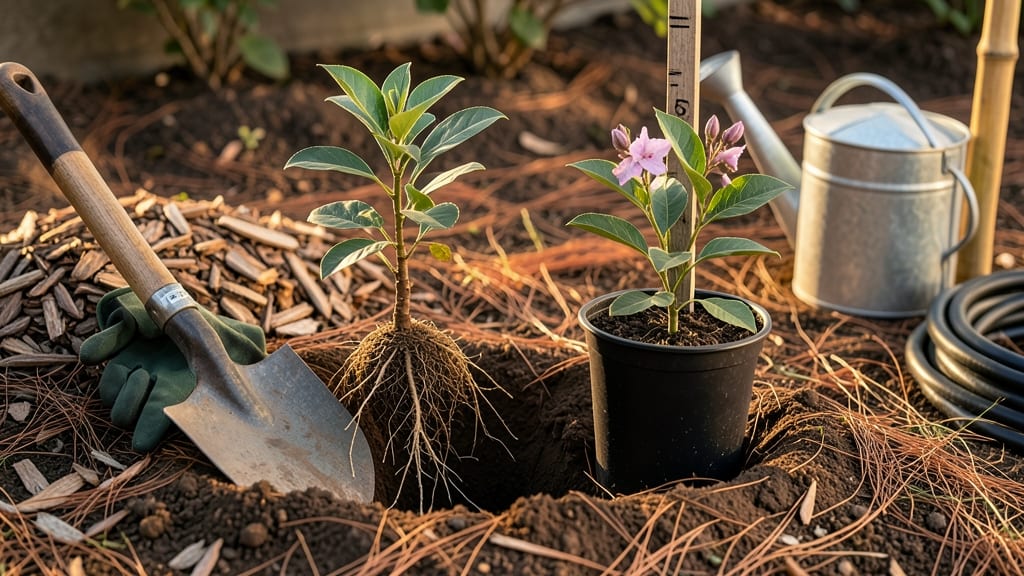
Planting your crepe myrtle 🌸 at the wrong time in North Carolina could mean the difference between a stunning, long-lived tree and one that struggles just to survive.
The best planting windows—late winter to early spring or early fall—align with your local USDA zone and frost patterns, giving your tree the strongest start possible.
If you've ever wondered why some crepe myrtles thrive while others wither, the answer often lies in timing. North Carolina's varied climate means what works in the Piedmont might fail in the Coastal Plain, and I'll break down exactly how to match your planting schedule to your specific zone.
You’ll learn how to read your soil’s readiness, avoid common mistakes like planting too early in cold zones, and choose the perfect moment whether you're in Zone 6a or Zone 8b.
Let’s get your crepe myrtle off to the right start—because a little planning now means years of vibrant blooms.
From soil temperature checks to post-planting care, I’ll walk you through every step to ensure your crepe myrtle takes root strong and grows into the showstopper your garden deserves. Ready to plant with confidence?
Best planting windows for crepe myrtles in North Carolina by USDA zone
North Carolina’s diverse climate—from the cool mountain regions of the west to the humid coastal plains—means crepe myrtles thrive in USDA zones 6b through 8b. The best planting window depends on your specific zone, soil warmth, and frost risk.
In zones 6b-7a, aim for late April to early May to avoid late frosts, while zones 7b-8b can plant as early as March or even late fall.
Crepe myrtles establish roots best when soil temperatures reach 50°F (10°C) or higher. In North Carolina, this typically aligns with late March to early April in most regions, but mountain areas (like Asheville) may need to wait until mid-April.
Fall planting is also ideal in September to early October, giving roots time to settle before winter dormancy.
The last average frost date in North Carolina is around March 15, but microclimates—like urban heat islands or sheltered valleys—can shift this by 1-2 weeks. Always check your local NC State Extension frost map before planting to avoid transplant shock from unexpected cold snaps.
🌱
| USDA Zone | Best Planting Window | Soil Temp Threshold | Frost Risk |
|---|---|---|---|
| 6b (Mountains: Boone, Highlands) | Late April–Early May | 50°F+ (10°C+) | High (late frosts) |
| 7a (Piedmont: Greensboro, Raleigh) | Early April–Late April | 50°F+ (10°C+) | Moderate (occasional late frost) |
| 7b (Coastal Piedmont: Fayetteville, Wilmington) | March–Early April | 55°F+ (13°C+) | Low (mild winters) |
| 8a (Coastal: Morehead City, Outer Banks) | February–March or September–October | 60°F+ (15°C+) | Very Low (rare frosts) |
For fall planting, prioritize September to early October to allow roots to establish before winter. In zone 8b (e.g., Charleston, SC border), you can even plant as late as November, but avoid planting when soil temps drop below 50°F (10°C).
If you’re in a transition zone (like zone 7a/b), consider container planting to delay outdoor exposure until soil warms. This is especially useful for young saplings or tender varieties like 'Catawba', which prefers warmer microclimates.
Always amend your soil with compost or organic matter before planting to improve drainage and warmth retention. Crepe myrtles hate waterlogged roots, so test your site’s drainage by digging a 12-inch hole and filling it with water—if it drains in less than 2 hours, your site is ready.
🌿
Pro tip: Use a soil thermometer to confirm readiness. In mountain zones, wait until soil hits 55°F (13°C) before planting, even if air temps feel warm. Coastal areas can plant earlier, but avoid summer heatwaves (June–July), as young roots struggle in 90°F+ (32°C+) soil
For bare-root plants, soak roots for 2-4 hours before planting to rehydrate them. Container-grown crepe myrtles can handle planting 1-2 weeks earlier since their roots aren’t exposed to cold stress. Finally, mulch heavily (3-4 inches) after planting to insulate roots and retain moisture. Use pine straw or shredded leaves, but keep mulch 6 inches away from the trunk to prevent rot. ☀️
Signs your North Carolina location is ready for crepe myrtle planting
Before digging that hole for your crepe myrtle, check if your North Carolina site is truly ready. Planting too early in Zone 6b or too late in Zone 8a can stress young roots.
The key is soil temperature—wait until it consistently stays above 50°F at a depth of 6 inches.
Use a soil thermometer to test daily. In Western NC, aim for late April, while Eastern NC gardeners can plant as early as March. The ground should feel warm to the touch and crumble easily when moistened.
Drainage is another critical sign. Dig a test hole and fill it with water. If it drains within 4-6 hours, your spot is perfect. Poor drainage leads to root rot, which can kill young crepe myrtles before they bloom.
🌱
⚠️ Common Mistakes to Avoid
- Planting in frost-prone areas before last frost (March 15 avg. in NC).
- Choosing shady spots—crepe myrtles need 6+ hours of sun.
- Skipping mulch—it protects roots from extreme temps.
Watch for new growth on nearby plants like azaleas or dogwoods. When they’re actively growing, your crepe myrtle’s roots will thrive too. In hotter zones (8a), plant in early fall (September) to avoid summer heat stress.
Finally, check for pests like Japanese beetles or spider mites. If your yard is already infested, treat the area before planting. A healthy start means fewer problems later when those lavender blooms appear.
Once you’ve confirmed all these signs, your crepe myrtle will establish roots quickly and reward you with vibrant summer color for decades. 🌸