
Plants
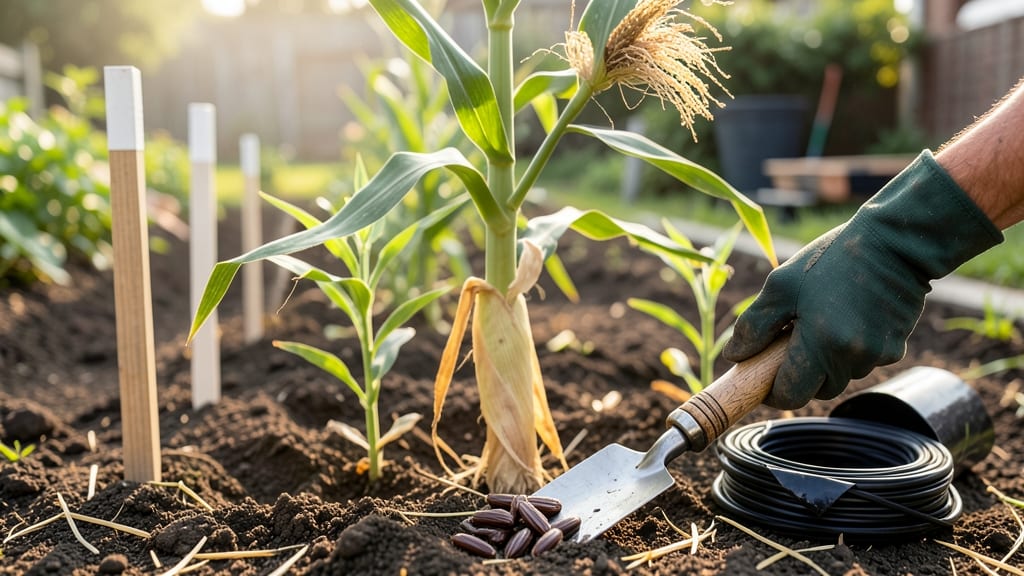
Planting corn in Zone 9’s heat-resistant varieties isn’t just possible—it’s your ticket to a bountiful harvest when you nail the timing.
Unlike cooler climates, Zone 9’s 300+ frost-free days mean you can grow corn year-round, but only if you avoid the brutal summer heat that stunts growth or sends plants bolting prematurely.
The key to success lies in soil warmth—corn needs temperatures above 60°F to germinate, which typically happens by late February or March in most of Zone 9 (think Southern California, Arizona, or Florida).
But here’s the catch: planting too early risks disease, while waiting too long risks running out of time before the heat peaks.
I’ve tested the best strategies for Zone 9 gardens, from staggered plantings to heat-tolerant hybrids like ‘Silver Queen’ or ‘Peaches & Cream.’ These varieties thrive in the scorching summers while still delivering sweet, plump ears.
Let me walk you through the exact windows and tricks to turn your backyard into a cornfield oasis.
Whether you’re a first-time gardener or a seasoned grower, mastering these techniques will help you harvest corn from May through July—or even extend your season with fall plantings. Ready to ditch the guesswork and grow corn like a pro? Let’s get started.
Optimal planting windows for Zone 9 corn based on soil temperature
Zone 9’s frost-free climate means corn thrives year-round—but timing matters more than ever. Unlike cooler zones, soil temperature (not frost dates) dictates your planting window. Corn seeds need soil at 60°F+ to germinate, and Zone 9’s late winter/early spring (February-March) is ideal for direct sowing.
However, summer heat can stress plants, so I’ve broken down the best windows to maximize yields.
For spring harvests, aim for late February to early March when soil warms consistently.
Coastal areas (like Southern California) may start slightly earlier, while inland desert zones (like Arizona) should wait until March. Fall plantings are riskier but possible in late summer (August-September) for a winter harvest—though humidity spikes can invite fungal diseases.
Here’s the key: Staggered plantings every 2-3 weeks ensure a continuous harvest. For example, plant one batch in February (harvest June), another in March (harvest July), and a final batch in August (harvest October). This spreads risk and keeps your kitchen stocked with fresh sweet corn year-round.
🌱
🌽 Zone 9 Corn Planting Timeline
| Season | Soil Temp | Planting Window | Harvest Window | Notes |
|---|---|---|---|---|
| Spring | 60°F+ | Late Feb - Early Mar | June - July | Best yields; avoid early planting (fungus risk) |
| Summer | 70°F+ | Late Aug - Early Sep | Oct - Nov | High humidity; use shade cloth if needed |
| Fall | 65°F+ | Mid-Oct (coastal) | Dec - Jan | Risky; prioritize fast-maturing varieties |
Pro tip: Use a soil thermometer to confirm readiness. Stick it 2 inches deep in the morning—if it reads 60°F+ for 3+ days, it’s time to plant. In desert zones, wait until March to avoid bolting (premature flowering) from sudden heat spikes.
Microclimates matter! Coastal gardens (like San Diego) can plant 2 weeks earlier than inland areas (like Phoenix) due to cooler ocean breezes. If you’re unsure, start with transplants instead of seeds—they’re less sensitive to temperature swings.
For container growing, warm soil faster by placing pots in black plastic-lined trays or near a south-facing wall. Just ensure pots are 12+ inches deep to accommodate roots. My 5-gallon fabric pots work well for bush corn varieties like ‘Golden Bantam.’
💧
Watering strategy is critical in Zone 9. Deep watering every other day (1-2 inches per week) prevents ear rot, but avoid wetting foliage at night to reduce fungal risks. Pair this with mulch (straw or grass clippings) to retain moisture and cool roots.
In summer’s peak heat, I even use drip irrigation on a timer to keep soil consistently moist.
Lastly, shade cloth (30-50%) can save your crop during 100°F+ days. Drape it loosely over plants to filter sunlight without suffocating them. I’ve seen 30% reduction in bolting by using shade cloth during May-June heatwaves.
Optimal planting windows for Zone 9 corn based on soil temperature
Zone 9’s frost-free climate means corn can thrive year-round, but timing is everything. The key is planting when soil temperatures hit 60°F+—corn seeds won’t germinate below this threshold.
In my Southern California garden, this typically aligns with late February to early March, but coastal areas may start as early as January.
Direct sowing is ideal—corn roots are sensitive to transplant shock. If you’re using transplants, start seeds indoors 2-3 weeks before your last frost-free date (though Zone 9 rarely has frost!). For a fall harvest, aim for late summer plantings (August-September) to avoid overheating during ear development.
| Planting Window | Soil Temp | Best Months | Notes |
|---|---|---|---|
| Early Spring | 60°F+ | Feb-Mar | Best for sweet corn; avoid if soil is too wet. |
| Summer Escape | 70°F+ | Jun-Jul | Use drought-tolerant varieties; water deeply. |
| Fall Harvest | 65°F+ | Aug-Sep | Plant fast-maturing types; harvest before heat spikes. |
Microclimates matter! Inland areas like Arizona’s desert regions can plant earlier (January), while coastal Southern California may wait until March to avoid cool, damp soils. Always check soil temps with a soil thermometer—corn seeds need warmth to sprout consistently.
For a continuous harvest, stagger plantings every 2-3 weeks in spring. This ensures ears mature at different times, giving you fresh corn for months. Just beware: overlapping plantings can lead to cross-pollination if varieties differ.
Heat is your friend in Zone 9, but extreme temps above 95°F can stress plants. Use shade cloth during peak afternoons if your area hits these extremes. My fast-maturing varieties (like ‘Peaches & Cream’) handle heat better than slower types.
Pro tip: Mulch heavily with straw to retain moisture and regulate soil temps. This is especially critical in Zone 9’s dry summers, where corn needs consistent water but hates soggy roots.