
Plants
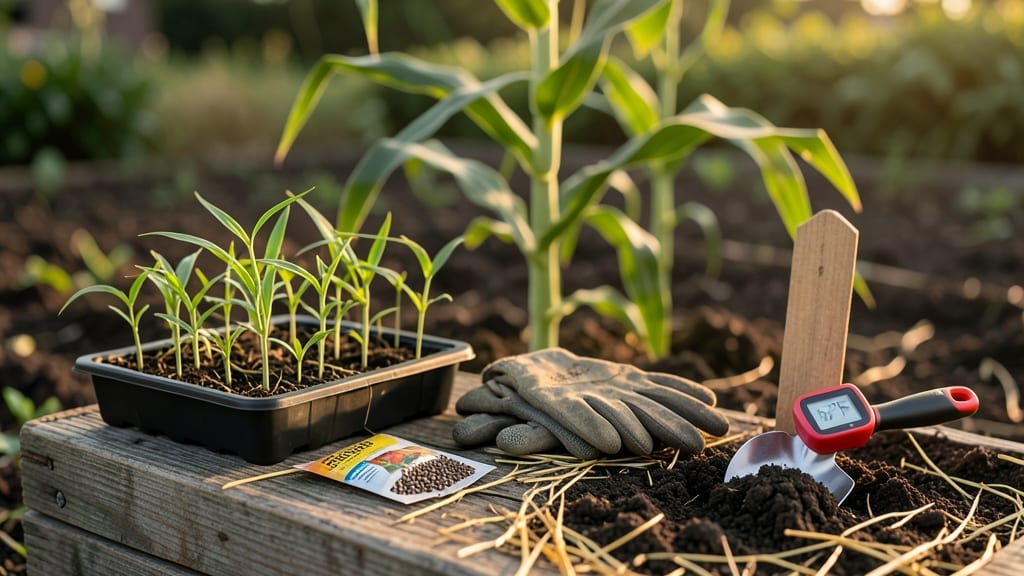
Planting corn at the wrong time in Zone 5 can mean the difference between a bountiful harvest and wasted effort. The ideal window—mid-April to mid-May—balances soil warmth and frost risk, but getting it right takes more than just checking a calendar.
Corn 🌽 needs soil temperatures above 60°F to germinate, and waiting for that warmth ensures strong, healthy plants. In Zone 5, where frost lingers until mid-May, timing isn’t just about dates—it’s about watching for those first signs of spring that tell you it’s finally safe to plant.
I’ve learned the hard way that rushing too early can leave tender seedlings vulnerable, while delaying too long cuts your harvest short. The key is understanding your microclimate—whether you’re in a sheltered valley or a windy hilltop—and adjusting for it.
In this guide, I’ll break down exactly how to time your planting for maximum success, including soil checks, variety choices, and tricks to stretch your growing season. Let’s get those ears of corn growing strong!
Zone 5 corn planting dates based on soil temperature and frost dates
In Zone 5, where last frost dates typically land in mid-May, timing your corn planting is all about balancing warmth and frost risk. Corn seeds need soil temperatures of at least 60°F (15°C) to germinate properly—any cooler, and they’ll rot in the ground.
My rule of thumb? Wait until the soil consistently stays above this threshold for at least a week.
Most Zone 5 gardeners aim to plant corn between mid-April and mid-May, but this window shifts slightly depending on your exact location. For example, areas near the Great Lakes might need to wait until late May due to cooler lake breezes, while inland regions can start earlier.
Always check your local frost-free date—planting too soon risks frost damage to young seedlings.
Here’s the golden rule: Plant corn after your last frost date but before the soil gets too hot. If you miss the spring window, some fast-maturing varieties (like Silver Queen or Early Sunglow) can be sown in early June for a late-summer harvest.
Just be prepared for smaller ears if planted late.
Avoid the temptation to rush—corn planted in cold soil struggles to establish roots and is more vulnerable to disease. I’ve seen too many gardeners lose their entire crop because they planted in March or early April when the ground was still chilly. Patience pays off with plump, sweet ears.
| Factor | Zone 5 Specification | Actionable Tip |
|---|---|---|
| Soil Temperature | 60°F (15°C) minimum | Use a soil thermometer to test depth (1 inch down). Wait until temps stay warm for 7+ days. |
| Last Frost Date | Mid-May (varies ±10 days) | Plant 2-3 weeks after your average last frost for safety. |
| Planting Window | Mid-April to mid-May | Start with early varieties (60-70 days to harvest) for maximum flexibility. |
| First Frost Risk | Mid-October | Choose varieties that mature in 80-100 days to avoid frost damage. |
| Soil Prep Time | 4-6 weeks before planting | Amend soil with compost and a balanced fertilizer (10-10-10) for optimal growth. |
Don’t let seed packet instructions confuse you—many suggest planting dates that assume warmer climates. For Zone 5, adjust by adding 2-3 weeks to the recommended timeline. For example, if a packet says “plant in April,” aim for mid-to-late April instead.
Pro tip: Plant corn in blocks (not rows) to improve pollination. This is especially critical in Zone 5, where cooler temperatures can slow tasseling. A 4x4 foot block with 4 plants each works perfectly for home gardens.
Space plants 12 inches apart in the block and 30 inches between blocks.
If you’re unsure about your exact last frost date, use the National Oceanic and Atmospheric Administration (NOAA) frost calculator or check with your local Cooperative Extension Service. These resources provide hyper-local data that’s far more accurate than generic planting charts.
Remember, corn is a heavy feeder, so well-prepared soil is just as important as timing. Work in 2-3 inches of compost and a slow-release fertilizer before planting. This gives your corn the nutrients it needs to bolt quickly once warm weather arrives.
Finally, keep an eye on your weather forecast in the days leading up to planting. If a cold snap is predicted, delay planting until temperatures stabilize. Corn seedlings can handle light frost, but prolonged cold will stunt their growth and reduce yields.
Zone 5 corn planting dates based on soil temperature and frost dates
In Zone 5, corn planting dates hinge on two critical factors: soil temperature and last frost dates. Corn seeds won’t germinate properly below 50°F (10°C), but they thrive when soil reaches 60°F (15°C). Waiting for this warmth ensures strong, healthy starts.
Meanwhile, your last frost date—typically mid-May in Zone 5—marks the cutoff for outdoor planting. Early varieties can stretch this window slightly, but timing is everything for avoiding frost damage to tender seedlings.
To pinpoint your exact corn planting window, check your local USDA Plant Hardiness Zone Map and historical frost data. For most of Zone 5, this means aiming for mid-April to mid-May.
However, cooler microclimates (like northern Illinois or upstate New York) may need to wait until late May. Soil thermometers are your best tool—plant only when readings consistently hit 60°F (15°C) at 4-inch depth for 5+ days.
The summary table below breaks down the ideal corn planting timeline for Zone 5, including soil temp thresholds, frost-free deadlines, and variety-specific adjustments. This ensures you’re planting at the perfect moment for your garden’s unique conditions.
| Stage | Zone 5 Timeline | Key Action |
|---|---|---|
| Soil Warm-Up | Mid-April | Wait for 60°F (15°C) soil temp at 4" depth |
| Early Varieties | Late April | Plant 60-75 day varieties (e.g., 'Ambrosia', 'Silver Queen') |
| Standard Varieties | Mid-May | Plant 85-100 day varieties (e.g., 'Peaches and Cream', 'Bodacious') |
| Last Chance | Early June | Only fast-maturing (60-day) varieties for late harvests |
| Frost Risk | After Mid-May | Use row covers or black plastic mulch to protect seedlings |
For Zone 5 gardeners, choosing the right corn variety can extend your planting window. Early-maturing varieties (like 'Early Sunglow', ready in 60 days) can be planted as early as late April, while standard varieties (90+ days) need to go in by mid-May.
Pro tip: Plant in blocks, not rows, to improve pollination—this is especially critical in cooler climates where wind can disrupt tassels.
Don’t rely solely on calendar dates. A late frost in early May or a cold snap can devastate young plants. Monitor your local weather forecasts and consider using a soil warming blanket or black plastic mulch to accelerate soil heating in cooler springs.
These tricks can shave weeks off your waiting time and give your corn a head start.
Once your soil hits the sweet spot of 60°F (15°C), act fast! Corn seeds lose viability quickly in warm soil, so plant within 24 hours of reaching the ideal temperature. Aim for 1-1.5 inches deep and 4-6 inches apart in hills spaced 3 feet apart.
Thinning seedlings to 2-3 plants per hill ensures they have room to grow without competing for nutrients.
Remember, corn thrives on warmth, and Zone 5’s short growing season demands precision. By aligning your planting with soil temperature and frost dates, you’ll maximize your chances of a bountiful harvest—even in a cooler climate. 🌽