
Plants
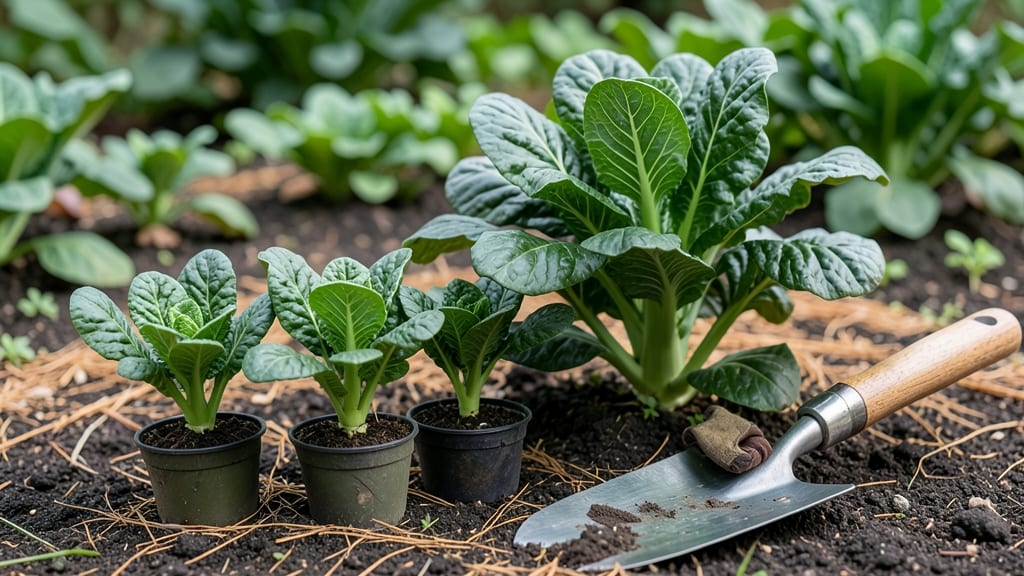
Planting collards in Georgia at the wrong time means either wilting under summer heat or freezing before your harvest—neither is ideal for your homegrown 🥬 stash.
The key is locking in those 2 perfect windows: early spring (March-April) and late summer (August-September), when soil temps and daylight align just right for these cold-hardy greens.
Here’s the deal: Georgia’s 7b-8b zones give you flexibility, but coastal areas (like Savannah) can handle fall plantings later than inland spots (think Athens or Atlanta). We’re talking 4-6 weeks before your first frost—usually by mid-October—to ensure your collards mature before winter sets in.
Miss this, and you’ll be left with sad, stunted leaves.
What you’ll discover next is how to sync your planting with Georgia’s frost-free window, plus pro tips for extending your harvest through winter. No more guessing games—just a foolproof schedule tailored to your backyard’s microclimate. Let’s get those collards in the ground the right way.
Whether you’re a first-time gardener or a seasoned grower, these timing tricks will double your harvest without the stress. Ready to turn your garden into a collard powerhouse? Let’s break it down by region.
Georgia heat zones: best collard planting dates by region
Georgia’s diverse climate—from the humid coastal plains to the cooler Appalachian foothills—means collard planting dates vary by USDA heat zone. Most of Georgia falls within zones 7b to 8b, but even small differences in elevation or proximity to the coast shift your ideal planting window by weeks.
Let’s break down the best times to plant for each zone to ensure your collards thrive and produce flavorful leaves all season.
For zone 7b (common in northern Georgia, like Atlanta), the last frost typically hits around March 15, while the first frost arrives by November 15.
In zone 8a (central Georgia, including Macon), you’ve got a longer frost-free window—planting can start as early as February for spring harvests or as late as September for fall. Meanwhile, zone 8b (southern Georgia, like Savannah) enjoys even milder winters, allowing for year-round planting with proper frost protection.
Soil temperature is critical for collard success. These leafy greens germinate best in soil that’s at least 50°F (10°C). In zone 7b, wait until mid-April for spring planting, while zone 8b gardeners can start seeds indoors by February or direct-sow as early as late February. Always check your local frost dates—they’re your planting calendar!
Here’s your collard planting schedule by Georgia heat zone, including ideal transplanting periods and frost considerations:
| Heat Zone | Last Frost Date | First Frost Date | Spring Planting Window | Fall Planting Window | Soil Temp for Germination |
|---|---|---|---|---|---|
| 7b (North GA) | Mid-March | Mid-November | Mid-April to May 15 | August 1 to September 15 | 50°F (10°C) or warmer |
| 8a (Central GA) | Late February | Late October | Early March to April 30 | July 15 to September 30 | 50°F (10°C) or warmer |
| 8b (South GA) | Early February | Early December | February 15 to April 15 | June 15 to October 15 | 50°F (10°C) or warmer |
Pro tip: In zone 8b, you can even plant collards in January for a late-winter harvest, provided you use row covers or mulch to protect against light frosts.
The key is to plant 4-6 weeks before your expected first frost for a fall harvest or after the last frost for spring. This timing ensures your plants mature before cold snaps hit.
For direct sowing (planting seeds directly in the ground), aim for 2-3 weeks earlier than transplanting dates, since seedlings take time to establish. If you’re starting collards indoors, begin seeds 4-6 weeks before your target outdoor planting date.
Use grow lights or a sunny windowsill to keep seedlings strong until they’re ready to harden off.
One mistake many Georgia gardeners make is planting collards too late in fall, especially in zone 7b. If you miss the September 15 window, your plants may not mature before frost, leaving you with small, bitter leaves.
Conversely, planting too early in spring risks frost damage to tender seedlings. Always check your local almanac or use a frost calendar app for precise dates.
Another critical factor is soil preparation. Collards prefer well-draining, slightly acidic soil (pH 6.0-7.0). Before planting, amend your soil with compost or aged manure to improve fertility.
In heavy clay soils (common in Georgia’s Piedmont region), mix in sand or peat moss to prevent waterlogging, which can stunt growth.
Once your collards are in the ground, maintain consistent moisture—especially during Georgia’s hot, humid summers. Mulch around plants with straw or shredded leaves to retain moisture and suppress weeds. In zone 7b, add a lightweight row cover in late fall to extend your harvest into December.
With the right timing and care, your collards will reward you with tender, flavorful leaves from fall through winter—just in time for holiday meals! Whether you’re in Atlanta’s zone 7b or Savannah’s zone 8b, these planting dates will help you maximize your harvest and avoid common pitfalls.
Happy gardening! 🥬
Georgia heat zones: best collard planting dates by region
Georgia’s diverse climate zones (7b-8b) mean your collard planting dates should shift depending on whether you’re in coastal Savannah or inland Atlanta. The golden rule? Plant 4-6 weeks before your first frost—typically by mid-October for a fall harvest.
But let’s get specific, because those 100 miles make a difference in your garden’s success.
For Zone 8a (northern GA like Athens), aim for March 15-April 15 in spring and August 15-September 15 for fall. Zone 8b (middle GA like Macon) can stretch fall plantings to September 30, while Zone 9 (coastal GA like Savannah) enjoys a longer window—planting through October 15 without frost worries.
Here’s the visual breakdown of your perfect planting windows by region, including soil temp requirements and frost-free days to ensure your collards thrive:
| Zone | Spring Planting | Fall Planting | Soil Temp | Frost-Free Days |
|---|---|---|---|---|
| 8a (Athens, Dalton) | March 15-April 15 | August 15-September 15 | 50-60°F | 180-200 |
| 8b (Macon, Columbus) | March 1-April 30 | August 1-September 30 | 55-65°F | 200-220 |
| 9 (Savannah, Brunswick) | February 15-April 15 | July 15-October 15 | 60-70°F | 240+ |
Pro tip: Use a soil thermometer to confirm temps before planting—collards need 50°F+ soil to germinate. If your spring planting hits unexpected late frosts, cover seedlings with frost cloth until danger passes. Coastal gardeners, take advantage of that extra month—plant cold-hardy varieties like ‘Georgia Southern’ for winter harvests!
Timing isn’t just about frost—it’s also about daylight hours. Collards thrive with 12+ hours of daylight, which is why fall plantings in September-October give you the sweet spot: cooler temps + longer harvest windows. Miss this, and you’ll be fighting bolting (flowering) or bitter leaves from heat stress.
Want to push your harvest even further? The next section covers how to extend your collard season with mulching, row covers, and succession planting—because why stop at one harvest when you can have two?