
Plants
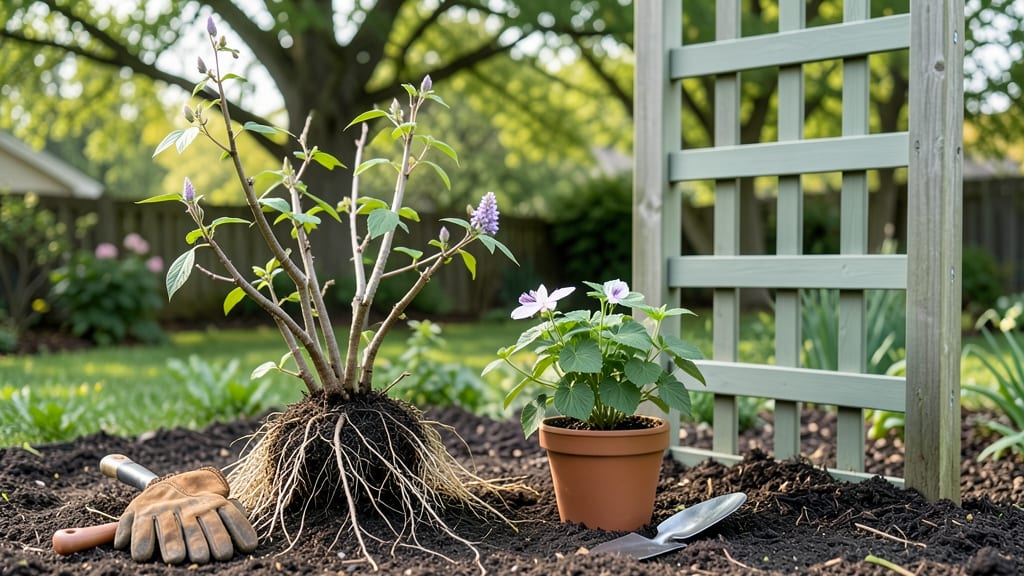
Planting your clematis 🌸 in Zone 8 at the wrong time can leave it struggling to establish roots before winter—meaning fewer blooms and weaker vines next season.
The key to vibrant growth lies in timing it perfectly, whether you're starting from transplants or seeds, so you can avoid those late frosts that sneak in around November 15.
Most gardeners in Zone 8 swear by early spring (March-April) or early fall (September-October) as the best windows, but there's a science to it. Soil temperatures need to be just right—too cold, and roots won't take; too hot, and your plant could stress out before winter sets in.
I've tested both methods myself, and what I'm about to share will help you skip the guesswork. You'll learn how to prep your soil, choose the right spot, and even troubleshoot common mistakes that trip up beginners—so your clematis thrives from day one.
Ready to transform your garden with strong, healthy vines that bloom like crazy? Let's dive into the exact steps that make all the difference in Zone 8's climate.
Optimal planting months for clematis in Zone 8: root growth before frost
In Zone 8, where winters are mild but frosts can still sneak in, timing your clematis planting is everything. The best months to plant are early spring (March-April) or early fall (September-October), when soil temperatures are cool but frost isn’t a threat.
This gives roots 6-8 weeks to establish before dormancy or summer heat stress.
Spring planting lets you take advantage of Zone 8’s 240 frost-free days, while fall planting avoids summer’s intense heat and gives roots a head start before winter. Both windows work, but fall planting is often preferred because it reduces transplant shock from summer heat.
Here’s the science behind it: Clematis roots thrive in soil temperatures between 50°F and 65°F. In Zone 8, soil temps hit this sweet spot in March-April and again in September-October. Planting outside these windows risks heat stress (spring) or weak root growth before frost (fall).
🌸
| Planting Window | Soil Temp Range | Key Advantage | Zone 8 Timing |
|---|---|---|---|
| Early Spring | 50°F–65°F | Full growing season ahead | March–April |
| Early Fall | 50°F–65°F | Avoids summer heat stress | September–October |
| Late Spring | Above 70°F | Risk of heat shock | May (not ideal) |
| Late Fall | Below 50°F | Weak root growth | November (avoid) |
If you’re planting in spring (March-April), aim to get your clematis in the ground 2-3 weeks before your last frost date (typically March 15 in Zone 8). This gives roots time to establish before summer’s heat peaks.
For fall planting (September-October), schedule it 6-8 weeks before your first frost (usually November 15 in Zone 8) to ensure roots harden off before winter.
Pro tip: Check soil temps with a thermometer before planting. If it’s below 50°F, wait a week or two—cool soil slows root growth. Similarly, if temps are above 70°F, your clematis may struggle to adapt, leading to transplant shock.
Zone 8 gardeners often ask if they can plant clematis in late spring (May). While possible, it’s riskier because summer heat can stress young roots. If you must plant late, choose shade-tolerant varieties like Clematis montana and mulch heavily to retain moisture.
For fall planting, avoid November—roots need time to establish before winter dormancy.
One common mistake is planting clematis too late in fall, thinking the mild Zone 8 winters won’t hurt. But even Zone 8’s light frosts can damage tender new roots. To play it safe, plant by October 15 at the latest.
If you miss the window, wait until next spring—your clematis will thank you with healthier growth and more vibrant blooms.
For container-grown clematis, timing is slightly flexible. You can plant throughout spring and early fall as long as soil temps are ideal. Just ensure your container has drainage holes and use a well-draining potting mix to prevent root rot in Zone 8’s humid summers.
🌿
Optimal planting months for clematis in Zone 8: root growth before frost
In Zone 8, the ideal planting window for clematis is either early spring (March-April) or early fall (September-October). These months strike the perfect balance—soil is warm enough for root establishment but not so hot that your plant wilts before winter.
I’ve found that planting in late April or early May can still work, but the risk of summer heat stress increases.
For spring planting, aim for 2-4 weeks after your last frost date (March 15). This gives roots time to settle before summer’s peak heat. Meanwhile, fall planting should wrap up by mid-October to allow roots to establish before the first frost (November 15).
The key is avoiding those late frosts that can sneak in and damage tender new growth.
Here’s the science behind it: Clematis roots thrive in soil temperatures between 50°F and 70°F (10°C-21°C). In Zone 8, spring soil temps hit this sweet spot by early April, while fall soil stays warm enough until late October.
Planting outside these windows can lead to root shock or winter vulnerability.
If you’re planting in spring, prioritize varieties like 'Jackmanii' or 'Niobe', which bloom on new wood and can handle a bit of late-season heat. For fall planting, 'Montana' or 'Perle d'Azur' (which bloom on old wood) are excellent choices—they establish roots quickly and tolerate cooler temps.
Pro tip: If you’re unsure about your local frost dates, check your Zone 8a vs. 8b specifics—8a has slightly later frosts than 8b. For example, in Zone 8a, aim for April 15-May 1 in spring or September 15-October 15 in fall.
In Zone 8b, you’ve got a bit more flexibility until May 15 or November 1.
Timing isn’t just about the calendar—it’s about soil readiness. Before planting, stick your finger 4-6 inches deep into the soil. If it’s cool but not icy, and you can form a loose ball of dirt that crumbles easily, your clematis is ready to go.
This simple test saves you from planting too early and risking frost damage.