
Plants
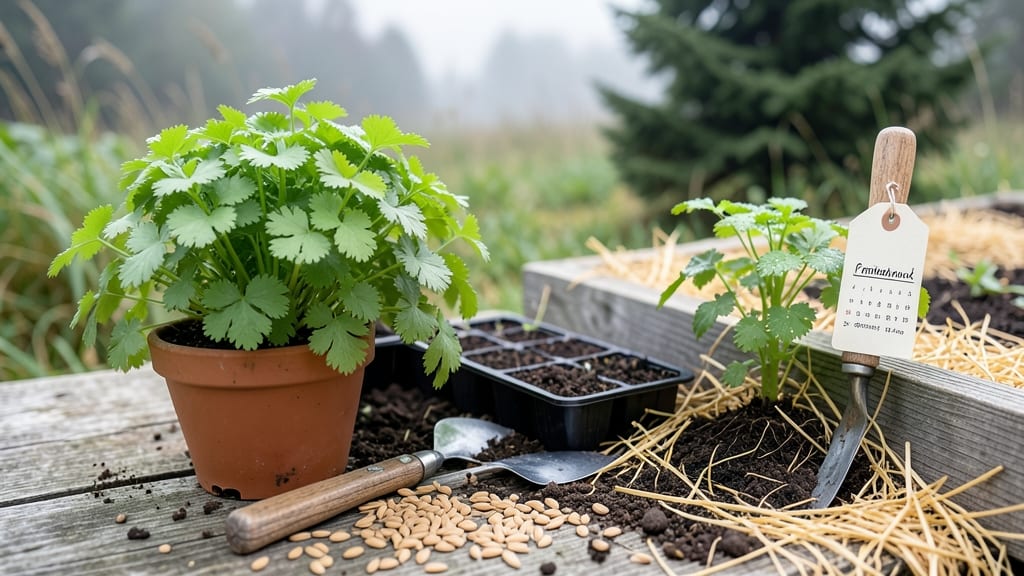
Timing cilantro planting in Oregon isn’t just about the calendar—it’s about dodging the 30-day window between warm days and bolting leaves that turn your fresh herb into bitter disappointment. 🌿 The secret to zero-bolt harvests lies in knowing when to sow, whether you're in the Willamette Valley’s mild climate or the High Desert’s cooler nights.
Most Oregon gardeners assume March is the only month to plant, but that’s where they go wrong. The real sweet spot starts 2-3 weeks before your last frost date—typically late February for coastal areas and early March inland.
For fall crops, aim for late August to early September, giving seedlings time to mature before winter slows them down.
Here’s the game-changer: cilantro thrives in cool weather but wilts under Oregon’s summer heat. Planting too late in spring or too early in fall means your crop will either bolt prematurely or struggle to establish.
I’ll show you how to adjust your schedule based on your microclimate—so you can enjoy fresh cilantro from May through November without the stress.
Ready to transform your garden into a year-round cilantro powerhouse? Let’s break down the exact dates, soil prep tricks, and frost-proofing tips that’ll keep your 🌿 harvests flavorful and your frustration at bay.
Oregon’s cilantro planting zones: frost dates and microclimate adjustments
Oregon’s diverse climate—from the Willamette Valley’s mild winters to the High Desert’s chilly nights—means cilantro planting times vary wildly. In USDA zones 7b-9a, your last spring frost can arrive anywhere from March 15 (coastal) to April 15 (eastern Oregon).
Miss this window, and your cilantro will bolt before you even harvest. But get it right, and you’ll enjoy fresh leaves from May through November.
First, check your local frost dates. The Willamette Valley (e.g., Portland) typically has its last frost by March 15, while coastal areas (like Astoria) may wait until April 1.
Meanwhile, eastern Oregon’s high desert (Bend, La Grande) often sees frost until April 15 or later. These differences mean your planting window shifts by weeks—and bolting risk shifts with it.
For spring plantings, aim to sow cilantro seeds 4-6 weeks before your last frost date. In the Willamette Valley, that’s mid-February to early March.
Coastal gardeners should wait until late February to March 15, while high desert growers can start as late as March 15. The goal? Seedlings should be 3-4 inches tall by your last frost to avoid stunted growth.
Fall is where things get tricky. Cilantro thrives in cool weather, but first fall frosts hit Oregon as early as October 1 (coastal) to October 15 (valley) and November 1 (high desert). To maximize harvests, your last fall planting should be 8-10 weeks before your first frost.
That means mid-August for coastal areas, early September for the Willamette Valley, and late September for eastern Oregon.
Elevation plays a sneaky role, too. If you’re gardening above 2,000 feet (common in the Cascade foothills), expect later frosts and shorter growing seasons. Adjust your planting dates 2 weeks later than valley recommendations.
For example, if the Willamette Valley plants cilantro in March, high-elevation gardeners might wait until mid-March.
Here’s the critical rule: Cilantro bolts when stressed by heat. In Oregon, that means avoid planting after May 15 in most zones. By June, even partial shade won’t save your crop—it’ll turn bitter and flower prematurely.
The cooler, shorter days of fall are your best bet for summer escapes.
Pro tip: Use shade cloth (30-50%) in late spring if you’re pushing the envelope with timing. This buys you 2-3 extra weeks of usable growth before bolting sets in. Pair it with daily watering to keep soil temps cool.
Now, let’s break down the exact planting windows for Oregon’s key regions so you can set your calendar with confidence.
| Region | USDA Zone | Last Frost | First Frost | Spring Planting | Fall Planting |
|---|---|---|---|---|---|
| Willamette Valley (Portland) | 8a-8b | March 15 | October 15 | Feb 15 - Mar 15 | Aug 15 - Sep 15 |
| Coastal (Astoria, Newport) | 8b-9a | April 1 | October 1 | Feb 28 - Mar 31 | Aug 1 - Aug 31 |
| High Desert (Bend, La Grande) | 7b-8a | April 15 | November 1 | Mar 15 - Apr 1 | Sep 1 - Sep 30 |
| Southern Oregon (Medford) | 8a-8b | March 1 | October 31 | Feb 1 - Feb 28 | Aug 1 - Sep 1 |
With these region-specific windows, you can avoid the two biggest cilantro mistakes in Oregon: planting too early (risking frost damage) or too late (triggering bolting).
For example, a Portland gardener who plants in January might lose seedlings to late frosts, while one who waits until April risks bolting by June
How to stagger cilantro plantings for continuous harvests in Oregon’s climate
Oregon’s cool, unpredictable weather makes succession planting your secret weapon for year-round cilantro. Unlike one-and-done gardeners, I’ve mastered the art of 2-3 week intervals to keep fresh leaves on my cutting board from May through November.
The key? Start your first batch 4-6 weeks before your last frost date—typically late February for coastal areas—and then repeat every 3 weeks until early September.
For example, if your last frost hits March 15 (like in the Willamette Valley), plant your first batch on February 15. Follow up with sowings on March 1, March 15, and March 30 to ensure a steady supply.
This method works because cilantro’s 45-60 day harvest window aligns perfectly with Oregon’s spring and fall growing seasons, avoiding the bolting trigger of summer heat.
🌱 Pro Tip: Use shade cloth (30-50%) over summer plantings to buy extra time. I’ve extended my harvests by 2-3 weeks in the High Desert by covering seedlings during peak afternoon sun (12 PM–4 PM). This simple trick prevents the temperature spike that turns cilantro bitter overnight.
Start late February (coastal) or early March (inland). Repeat every 3 weeks until April 15.
Begin late August for coastal areas or early September inland. Last batch by September 15.
Choose ‘Calypso’ (slow-bolting) for summer or ‘Santo’ (heat-tolerant) for inland gardens.
Use row covers for late spring/early fall plantings if frost is forecasted.
Start harvesting 45 days after sowing. Cut outer leaves first to encourage regrowth.
Don’t overlook fall cilantro—it’s often the most flavorful harvest of the year. Plant your last batch by September 15 to ensure mature leaves before Oregon’s first frost (typically mid-October).
I’ve had success growing cilantro through December in the Coast Range by mulching heavily with straw and using cold frames for extra insulation.
💡 Why This Works: Cilantro’s cool-season love pairs perfectly with Oregon’s mild winters. By staggering plantings, you’re essentially matching the plant’s lifecycle to your climate’s natural rhythm. No more bitter surprises—just flavorful, fresh cilantro whenever you need it.
For container gardeners, use 5-gallon pots and replace old plants with new seedlings every 3 weeks. This method works even on balconies in Portland—just ensure pots have drainage holes and you’re watering consistently.
The key is consistency: cilantro hates drought stress and temperature swings, so a little planning goes a long way.