
Plants
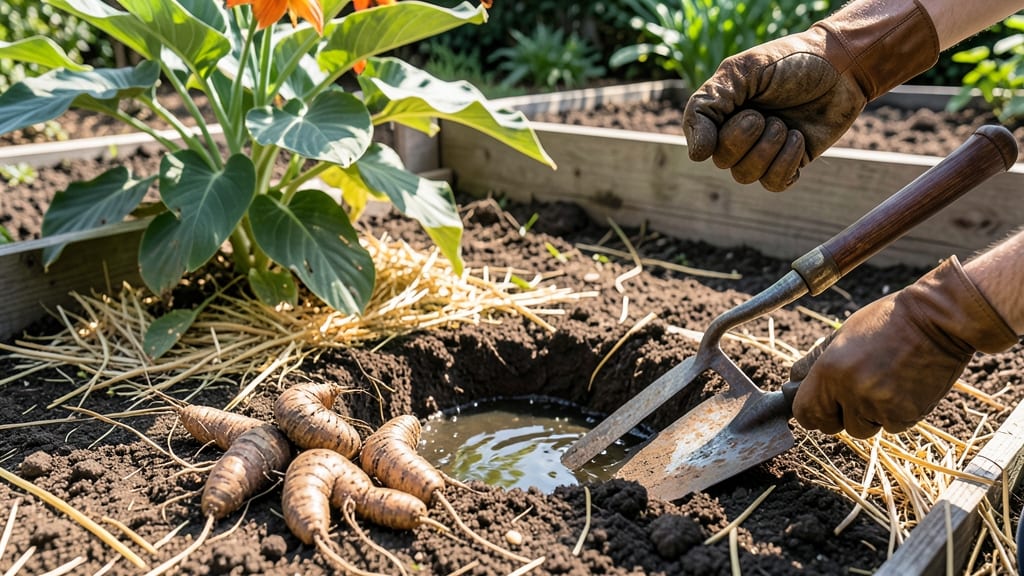
Planting your Canna Lily 🌺 bulbs at the wrong time in Kansas could mean the difference between a showstopping summer display and a sad, frost-nipped failure.
The ideal window—after the last frost but before the heat peaks—isn’t just about dates; it’s about giving your rhizomes the perfect head start in 5b-7a zones where early springs can still surprise you.
I’ve seen gardeners make costly mistakes here: rushing bulbs into cold soil or waiting too long, only to watch their cannas struggle to bloom before fall’s chill sets in.
The key? Timing your planting to match Kansas’ unpredictable frost dates—typically late April to mid-May—and preparing the soil to handle the state’s heavy clay.
In this guide, I’ll break down the exact 3 mistakes Kansas gardeners make (and how to avoid them), plus soil prep secrets to ensure your cannas thrive. Whether you’re a first-timer or a seasoned grower, these tips will help you plant with confidence—and enjoy those bold blooms all summer long.
Ready to transform your garden? Let’s get those Canna Lily 🌺 rhizomes in the ground the right way—no guesswork, just guaranteed results.
Best planting time for canna bulbs in Kansas: frost dates & hardiness zones
Kansas gardeners face a unique challenge with canna bulbs—our USDA zones 5b-7a mean frost can linger until mid-April in northern regions, while southern Kansas enjoys earlier springs. To avoid frost damage and ensure vibrant blooms, timing is critical.
Most gardeners plant after the last frost date, typically between late April and mid-May, when soil temperatures consistently reach 60°F+.
Canna rhizomes (bulbs) are tender perennials that won’t survive frost, so rushing them into cold soil is a common mistake. Even if your neighbors plant early, wait for warm soil—test it with a thermometer or wait until after Mother’s Day in most of Kansas.
In Zone 7a (southern KS), you might start as early as early April, while Zone 5b (northeast KS) should wait until mid-May.
The key is balancing frost risk with growing season length. Planting too late leaves cannas struggling to establish roots before first fall frost (mid-October). Aim for a 120-day growing window—enough time for rhizomes to mature and bloom before winter sets in.
For example, a May 15 planting in Zone 6 gives cannas until September 15 to thrive.
🌱
If you’re unsure about your last frost date, use the National Weather Service’s frost calendar or check with your local Cooperative Extension Service. For example, Wichita (Zone 7a) typically sees its last frost by March 31, while Topeka (Zone 6a) waits until April 15.
Pro tip: Cover young cannas with frost cloth if an unexpected late frost threatens in May.
For container gardening, you can plant cannas 2-3 weeks earlier since pots warm up faster. Place containers in protected microclimates, like near south-facing walls, to extend the growing season. Just ensure pots have drainage holes—cannas hate soggy roots, especially in Kansas’s clay-heavy soil.
One common misconception is that cannas can handle cool soil. While they tolerate short-term chilly nights once established, cold soil slows growth and increases disease risk. Use a soil thermometer ($10 at garden centers) to confirm
3 Deadly mistakes Kansas gardeners make planting cannas (and how to fix them)
Kansas gardeners love cannas for their dramatic foliage and bold blooms, but even experienced growers make critical mistakes that stunt growth or kill plants. I’ve seen 3 common errors that turn vibrant cannas into sad, struggling specimens—and I’ll show you how to avoid them.
The first mistake is planting too early. Many Kansas gardeners rush to get their cannas in the ground as soon as soil is workable, but cold soil temperatures below 60°F can stunt root growth or even kill rhizomes.
Instead, wait until after your last frost date—typically late April to mid-May—and check soil temps with a thermometer.
Here’s the fix: Use a soil thermometer to confirm temperatures are consistently above 60°F before planting. If you’re in doubt, opt for container planting with black pots to warm the soil faster. This simple step can mean the difference between thriving cannas and a wasted season.
Mistake #1: Planting Too Early
Cold soil (below 60°F) stunts growth or kills rhizomes. Wait until after last frost (late April–mid-May) and confirm soil temps.
The second deadly mistake is ignoring Kansas’ heavy clay soil. Canna rhizomes need well-draining soil to prevent rot, but many Kansas gardens have compacted clay that holds too much moisture. Without amending the soil, your cannas will suffer from root rot or fungal diseases.
To fix this, mix in 3-4 inches of compost or aged manure before planting, and consider adding perlite or sand to improve drainage. For existing clay soil, create raised beds or plant in containers with well-draining potting mix.
This small effort ensures your cannas get the airy roots they need to thrive.
Finally, overwatering is a silent killer for cannas in Kansas. Many gardeners assume these tropical-looking plants need constant moisture, but too much water leads to root rot, especially in our humid summers.
The key is deep but infrequent watering—aim for 1 inch of water per week, adjusting for rainfall.
Here’s how to water correctly: Water deeply in the morning to reduce evaporation and fungal risks, then let the top 2-3 inches of soil dry out between waterings. Mulch around plants to retain moisture and regulate soil temperature. This balance keeps your cannas hydrated without drowning their roots.
By avoiding these three mistakes—planting too early, ignoring soil prep, and overwatering—your cannas will reward you with lush foliage and dramatic blooms all summer long. Now that you’ve learned what not to do, let’s move on to how to extend those blooms even longer in Kansas’ challenging climate.