
Plants
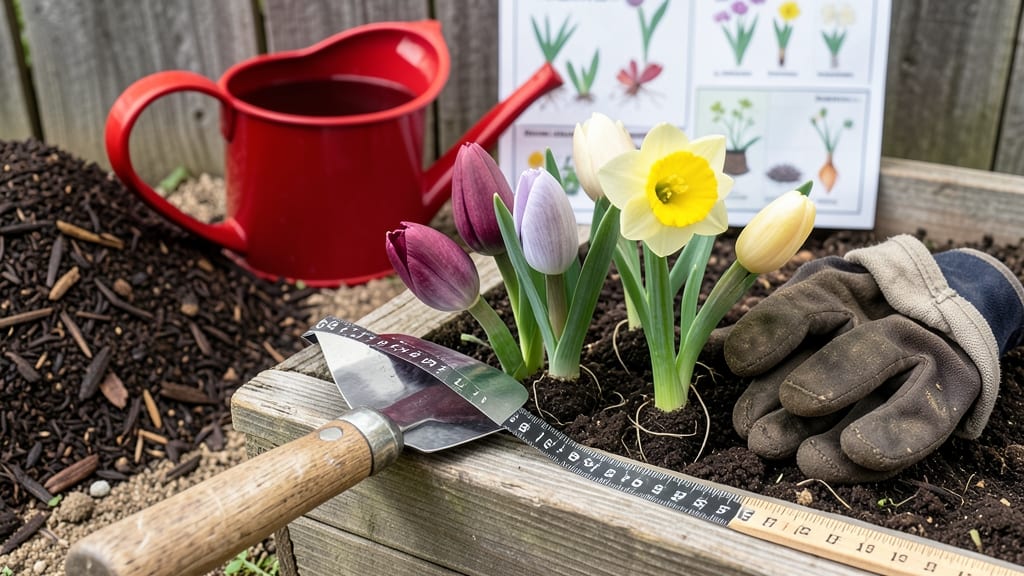
Planting bulbs in Zone 8 at the wrong time means frost could ruin your spring blooms—or worse, leave you staring at bare soil where flowers should be. The key?
Timing it 6-8 weeks before the ground freezes in fall, or waiting until 4-6 weeks before your last frost in early spring. This isn’t just guesswork; it’s science backed by Zone 8’s mild winters and unpredictable frost patterns.
I’ve learned the hard way that rushing bulbs into the ground too early can leave them vulnerable, while waiting too late might mean missing the ideal window entirely.
Whether you’re planting 🌷 tulips for vibrant spring color or hardy crocus for early blooms, getting the timing right ensures your bulbs establish strong roots before winter sets in—or before the heat of summer arrives.
What makes Zone 8 unique is its variable frost dates, which can shift from year to year. Some gardeners swear by late October plantings, while others prefer early November for extra protection.
The good news? With the right strategies—like soil prep, mulching, and choosing frost-resistant varieties—you can extend your planting window without risking frost damage.
In this guide, I’ll break down the exact months to plant, which bulbs thrive best in Zone 8’s climate, and how to adjust for microclimates in your garden. By the end, you’ll know exactly when to dig in for zero-frost survival and blooms that steal the show every season.
Zone 8 bulb planting calendar: exact months by frost dates
Zone 8's mild winters mean you can plant bulbs later than colder zones, but timing still matters.
The key is understanding your last frost date—typically around December 15 for Zone 8a and slightly later for Zone 8b. Spring-blooming bulbs like tulips and daffodils need a 6-8 week cold period to bloom reliably, while fall-blooming varieties like crocus and hyacinths have more flexibility.
For fall planting, aim for October to early November—this gives bulbs time to root before winter. In Zone 8b, where winters are even milder, you might push planting to mid-November.
Spring planting is trickier but works for hardy varieties like rain lilies—plant in February to early March before the last frost.
Here’s how to adjust for your specific Zone 8 sub-region:
| Bulb Type | Ideal Planting Window | Zone 8a Adjustment | Zone 8b Adjustment |
|---|---|---|---|
| Spring-Blooming (Tulips, Daffodils) | October 15 – November 15 | Plant by November 1 to avoid early frost | Can plant up to December 1 in mild winters |
| Fall-Blooming (Crocus, Hyacinths) | September 15 – October 15 | Plant by October 15 for best blooms | Extend to November 1 in warm microclimates |
| Spring Planting (Rain Lilies, Spider Lilies) | February 15 – March 15 | Plant by March 1 to avoid late frost | Can plant as late as April 1 |
Zone 8’s variable frost patterns make soil temperature your best guide. Use a soil thermometer to confirm the ground is below 60°F before planting—this signals it’s safe for bulbs to root without rotting.
In Zone 8a, where frosts linger longer, prioritize earlier planting (by October 15) for classic bulbs like tulips.
In Zone 8b, where winters are almost frost-free, you can experiment with later planting (up to December 1) for cold-hardy varieties. For example, daffodils often thrive when planted in late November here, as they tolerate brief cold snaps.
Always check your local microclimate—south-facing slopes or urban heat islands may stay warmer longer.
Pro tip: Label your bulbs by planting date to track which varieties perform best in your specific Zone 8 conditions. Over time, you’ll refine your schedule to match your garden’s unique frost history.
For instance, I’ve found that tulips planted in early November in my Zone 8a garden bloom 2 weeks earlier than those planted in mid-November.
Soil prep is just as critical as timing. Amend your soil with compost or aged manure to improve drainage—waterlogged soil is a common killer of newly planted bulbs in Zone 8’s wet winters. Aim for well-draining soil with a pH of 6.0–7.0 for most bulbs.
After planting, mulch heavily (3–4 inches) with straw or leaves to insulate bulbs from temperature swings. This is especially important in Zone 8a, where sudden frosts can still occur.
In Zone 8b, mulch helps retain moisture during dry winters. Remove mulch in early spring once shoots emerge to prevent rot.
Remember: Zone 8’s flexibility is a gift, but don’t overlook the need for cold stratification in some bulbs. Even in mild winters, most spring-blooming bulbs need a cool period to trigger flowering. If you’re pushing planting dates, consider pre-chilling bulbs in the fridge for 6–8 weeks before planting.
Zone 8 bulb planting calendar: exact months by frost dates
Zone 8’s mild winters make bulb planting a balancing act—too early, and bulbs rot in warm soil; too late, and frost stunts growth.
The key is planting 6-8 weeks before the first frost (typically mid-December in Zone 8) for fall bulbs or 4-6 weeks before your last frost (usually mid-February) for spring varieties. But timing varies between Zone 8a (colder) and Zone 8b (warmer), so adjust accordingly.
Most spring-blooming bulbs like tulips and daffodils thrive when planted in October or November, while fall-bloomers such as crocus and hyacinths can handle late-season planting in January or early February. The goal? Let roots establish before dormancy sets in.
🌱 Did You Know? Zone 8’s unpredictable frost patterns mean some years you’ll need to plant bulbs 2-3 weeks later than average. Always check your local last frost date—not the calendar—to avoid risks.
For Zone 8a gardeners, aim to finish planting by November 15—earlier if your soil stays warm. In Zone 8b, you’ve got a little more wiggle room, but don’t push past December 1 for spring bloomers.
Pro tip: Use a soil thermometer to ensure temps are below 60°F before planting.
If you miss the fall window, don’t despair! Many bulbs (like daffodils) tolerate early spring planting (February–March) as long as they’re in the ground 6 weeks before frost. Just add a thick mulch layer to protect them from late cold snaps.
Remember: Depth matters! Plant bulbs 6–8 inches deep (or 2–3 times their height) to shield them from temperature swings. In Zone 8’s warmer microclimates, shallower planting can work for heat-tolerant varieties like rain lilies.
Start with daffodils and tulips—they’re the most forgiving for beginners—and expand to hyacinths or alliums once you’ve mastered the timing. Your spring garden will thank you with bold, early blooms that outshine the neighbors’! 🌷