
Plants
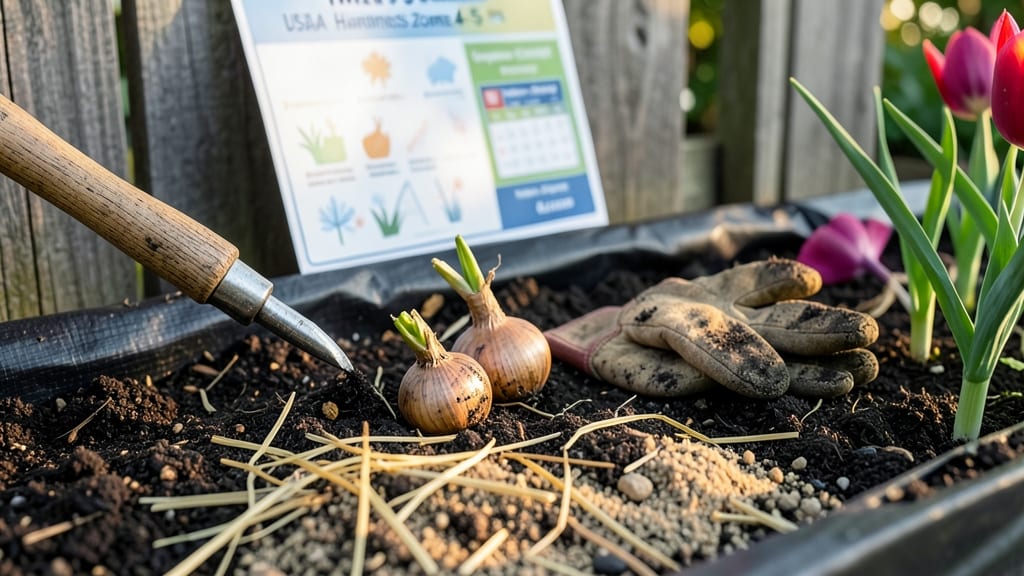
Timing your 🌷 bulbs planting in Iowa isn't just about the calendar—it's about beating the first frost while giving roots time to settle. Plant too early, and you risk rot; too late, and winter steals your blooms before they even sprout.
Iowa’s 5a-5b climate demands precision: most gardeners swear by fall planting between September and November, but spring options exist for late bloomers like rain lilies. The key? Understanding your last frost date—usually around mid-October—and adjusting for soil temperature.
Whether you’re digging in daffodils or tulips, I’ll break down the exact deadlines for your zone, plus pro tips to extend your window without sacrificing success. No more guessing—just zero-frost, zero-stress planting.
Let’s get your garden prepped so those 🌷 bulbs burst through the snow with confidence next spring.
Iowa’s fall bulb planting deadlines by zone and variety
Fall planting is the gold standard for Iowa bulbs because it lets roots establish before winter. In USDA Zones 5a-5b, aim to plant 6-8 weeks before ground freezes—typically mid-September to mid-November. Northern Iowa (Zone 5a) has a shorter window than southern Iowa (Zone 5b), so adjust accordingly.
Soil temperature is your best guide. Bulbs need 40-50°F soil to root properly. Use a soil thermometer—if temps drop below 40°F consistently, it’s time to plant. In Des Moines, this usually means late September to early October, while Sioux City may have 2-3 weeks later.
Not all bulbs are equal. Hardy varieties like daffodils and crocuses handle Iowa’s winters easily, while tender bulbs (e.g., some tulips, hyacinths) need extra protection. Mulch heavily after planting to insulate roots—3-4 inches of straw or shredded leaves works well.
Here’s your region-specific planting timeline for Iowa’s most popular bulbs, including depth and spacing tips:
| Bulb Type | Zone 5a (North IA) | Zone 5b (South IA) | Depth | Spacing | Notes |
|---|---|---|---|---|---|
| Daffodils | Sept 15–Oct 15 | Sept 20–Nov 1 | 6 inches | 4–6 inches | Hardy; deer-resistant |
| Tulips | Sept 20–Oct 10 | Sept 25–Oct 20 | 6–8 inches | 4–6 inches | Plant early; mulch heavily |
| Hyacinths | Oct 1–Nov 1 | Oct 5–Nov 10 | 6 inches | 4–5 inches | Tender; plant late |
| Crocus | Sept 1–Oct 15 | Sept 10–Nov 1 | 3–4 inches | 2–3 inches | Early bloomer; great for lawns |
| Alliums |
Spring planting bulbs in Iowa: last-chance options and risksSpring planting isn’t ideal for most bulbs, but Iowa’s unpredictable weather sometimes forces late starts. If you missed fall planting, rain lilies, summer snowflakes, and camassias are your best bets—they tolerate spring soil and still bloom beautifully. However, tulips and hyacinths planted in spring rarely survive Iowa’s winters without special care. Your window is tight: plant by mid-April to give roots time to establish before summer heat. After that, bulbs struggle to anchor before the ground dries out or temperatures soar. Even then, spring-planted bulbs often bloom 6-8 weeks later than fall-planted ones, pushing blooms into late summer or fall. Soil prep is critical. Amend heavy Iowa clay with compost or sand to improve drainage, and water deeply before planting to encourage root growth. Mulch with straw or shredded leaves to retain moisture—critical in our dry springs. 🚨 WARNING: Spring-planted bulbs face higher risks of rot, pests, and weak blooms. Most garden centers sell pre-chilled bulbs in spring, but even these may not thrive in Iowa’s Zone 5a-5b without extra protection like row covers or shade cloth during heatwaves. ⚠️ Spring Planting Risks in Iowa
🌱 Pro Tip: If planting in spring, choose drought-tolerant varieties like Allium or Fritillaria and plant in raised beds for better drainage. For tulips and daffodils, spring planting is a gamble. If you try, plant deeper (8-10 inches) to protect bulbs from temperature swings, and fertilize lightly in early spring with a balanced 10-10-10 to boost root growth. Monitor for squirrel damage—they’re drawn to fresh spring plantings. If all else fails, save bulbs for next fall. Store them in a cool, dry place (40-50°F) and replant in October for guaranteed blooms. Iowa’s winters are no joke, and spring-planted bulbs often won’t survive without heroic efforts. 🌷 For reliable spring color, prioritize annuals like calendulas or pansies—they’ll bloom on time without the guesswork. But if you’re set on bulbs, stick to late-summer varieties like crinum lilies or zephyranthes, which handle Iowa’s heat better than traditional spring bloomers. |