
Plants
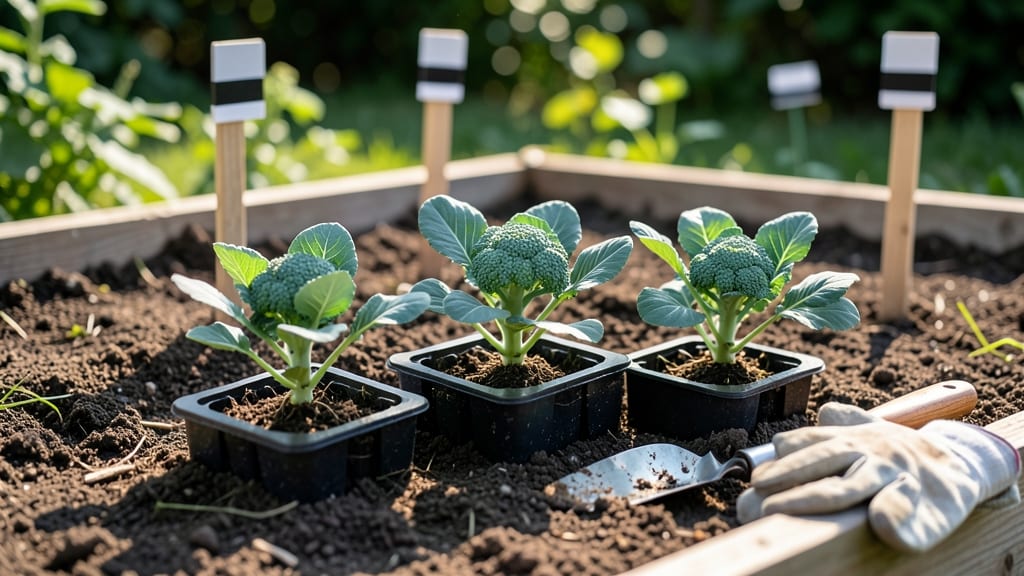
Timing your broccoli 🥦 planting in North Carolina’s fall can mean the difference between a bountiful winter harvest and frost-nipped disappointment. The ideal window—late August through early October—aligns perfectly with the state’s mild climate, but getting it wrong risks stunted growth or early frost damage.
Why does this matter? Because broccoli thrives in cool weather, and NC’s 7a-8b zones offer just the right conditions when planted at the right time. Too early, and your plants bolt before winter; too late, and frost steals your harvest before it matures.
I’ll show you exactly when to plant based on your county’s frost dates.
You’ll also discover how to prep your soil for fall success, choose the fastest-maturing varieties for your region, and protect your crop if early frost threatens. With these strategies, you’ll enjoy crisp, flavorful broccoli straight from your garden through January.
Let’s break down the county-specific deadlines so you can plant with confidence—and avoid the common mistakes that waste time and effort. Ready to grow your best fall broccoli yet?
NC fall broccoli planting deadlines by county: avoid frost before harvest
North Carolina’s diverse climate means your fall broccoli planting window varies dramatically from the mountains to the coast. In Asheville (Zone 6b), the first frost typically arrives by October 15th, while Raleigh (Zone 7b) holds off until November 1st.
Coastal areas like Wilmington (Zone 8a) can push planting into early November without frost risk. These differences mean your planting timeline must account for both first frost dates and your broccoli variety’s maturity time.
To avoid frost-damaged heads, plant 4-6 weeks before your expected first frost date. For example, if frost hits October 20th, aim for seeds in the soil by September 10th.
This ensures your broccoli reaches harvest maturity (55-80 days) before winter sets in. Use your county’s USDA hardiness zone as your guide—Zone 6b gardeners should start earlier than Zone 8a counterparts.
| County/Region | USDA Zone | First Frost Date | Planting Window | Harvest Window |
|---|---|---|---|---|
| Asheville | 6b | Oct 15 | Aug 25 - Sep 15 | Oct 10 - Nov 15 |
| Raleigh | 7b | Nov 1 | Sep 1 - Oct 5 | Oct 15 - Dec 15 |
| Wilmington | 8a | Nov 15 | Sep 15 - Oct 15 | Nov 1 - Jan 15 |
| Charlotte | 7a | Oct 25 | Aug 30 - Sep 20 | Oct 10 - Nov 20 |
| Greenville | 8a | Nov 10 | Sep 10 - Oct 10 | Nov 1 - Dec 20 |
For mountain regions like Asheville, prioritize fast-maturing varieties (50-60 days) to avoid early frost. In coastal areas like Wilmington, you can extend planting into mid-October and enjoy harvests through January.
Always check your local Cooperative Extension Service for microclimate adjustments—valleys frost earlier than hilltops, even in the same county.
Soil temperature matters just as much as frost dates. Broccoli seeds need soil temps above 40°F (4°C)
How to extend your broccoli season in NC: cold protection tips for late fall
Fall’s crisp air is perfect for broccoli 🥦, but early frosts can ruin your harvest. In North Carolina’s 7a-8b zones, temperatures drop faster in mountainous regions like Asheville than in coastal areas like Wilmington.
The key to a long harvest? Protecting your plants from unexpected cold snaps while still letting them thrive in cooler weather.
I’ve learned that even a single night below 28°F can damage broccoli, but with the right strategies, you can push your harvest into January.
Start by choosing fast-maturing varieties like ‘De Cicco’ (ready in 50 days) or ‘Waltham 29’ (60 days), which give you a head start before winter sets in.
Another game-changer is mulching. A 3-4 inch layer of straw or shredded leaves keeps soil temperatures stable and insulates roots from sudden drops. I’ve seen this extend harvests by 2-3 weeks in my own garden. Pair it with row covers (lightweight fabric) for extra protection during cold snaps.
🌱 Did you know? Broccoli actually tolerates light frosts (down to 25°F) better than many vegetables, but the real enemy is prolonged cold that stresses the plant. That’s why I recommend monitoring your local frost advisory and having row covers ready to deploy.
🌿 5 Proven Ways to Extend Your NC Broccoli Season
- 📅 Plant in stages: Sow seeds every 2 weeks from late August to early October for a staggered harvest.
- 🌡️ Use cold frames: Clear plastic boxes over plants trap heat and delay frost by 3-4 weeks.
- 🍂 Mulch heavily: Apply 4+ inches of straw or leaves to insulate roots and retain moisture.
- 🛡️ Deploy row covers: Lightweight fabric blocks wind chill and protects against 2-4°F drops.
- 💧 Water deeply before frost: Well-hydrated plants handle cold better than drought-stressed ones.
For late-season protection, I swear by black plastic mulch in combination with row covers. The dark plastic absorbs sunlight during the day, warming the soil, while the cover traps that heat overnight. This combo has kept my broccoli growing through December frosts in Zone 7a.
Don’t forget to harvest strategically. In late fall, prioritize cutting the main head first, then watch for side shoots (smaller heads that form after harvest).
These often mature faster in cooler weather, giving you extra harvests. Just be sure to harvest before yellowing—that’s your cue the flavor’s fading.
With these tips, you’ll turn NC’s fall chill into your broccoli’s advantage. My personal record? A harvest in early January—just in time for New Year’s resolutions (and hearty soups!). 🥦