
Plants
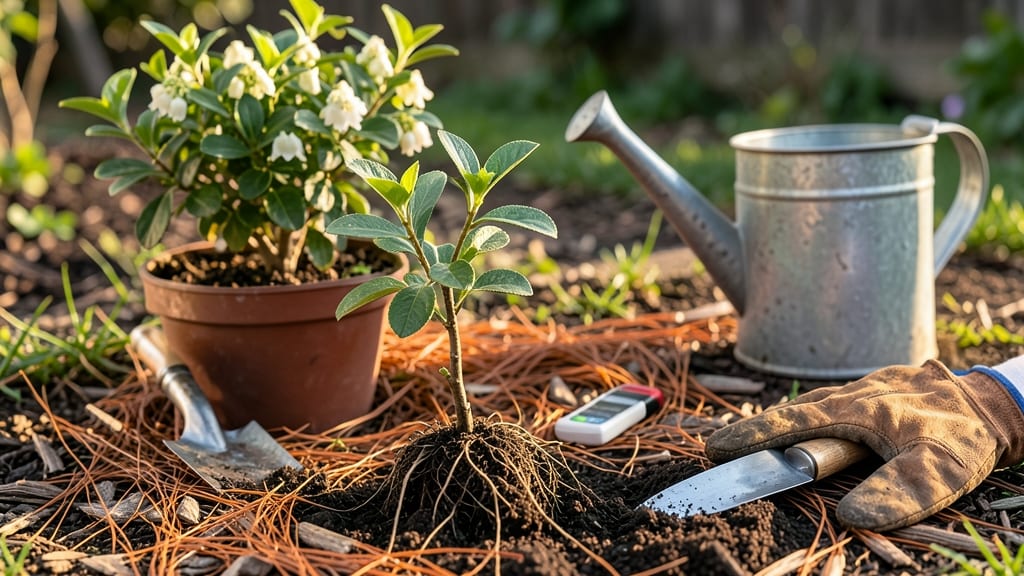
Planting your 🫐 blueberry bush in North Carolina at the wrong time could mean the difference between a bountiful harvest and years of waiting for fruit. The key isn't just picking a random month—it's all about soil temperature triggers that ensure fast root establishment and strong growth from the start.
In USDA zones 6a-8b, the ideal window runs from late winter through early spring, when soil temperatures consistently reach 50-60°F. This means February through April is your best bet, with March being the absolute sweet spot for most of the state.
Missing this window could leave your bushes vulnerable to frost damage or slow to take hold.
What makes this timing so critical? Blueberry bushes need 60-120 days to establish strong roots before summer heat arrives. Plant too early, and you risk frost damage; too late, and your bushes may struggle to fruit in their first season.
I'll show you exactly how to check soil temps and other pro tips to give your blueberries the fastest, most reliable start.
Whether you're working with bare-root plants or container-grown bushes, getting the timing right is the foundation for a thriving 🫐 blueberry bush that produces fruit for decades. Let's break down the exact steps to plant at the perfect moment for your North Carolina climate.
Best planting months in NC based on soil temperature zones
North Carolina’s USDA zones 7b-8a create a unique window for planting blueberry bushes—one that balances soil warmth and frost risk. The sweet spot? When daytime highs hit 50-60°F and nights stay above 40°F.
This typically lands in late February through April, but your exact timing depends on whether you’re planting bare-root or container-grown bushes.
For bare-root blueberries, the earliest safe window is mid-February in Zone 8a (southeastern NC), while Zone 7b gardeners should wait until late March to avoid frost damage to delicate roots. Container-grown bushes, however, offer more flexibility—plant them 2-3 weeks earlier since their roots are already established.
Here’s the key: Soil temperature matters more than air temperature. Blueberry roots need 50°F+ soil to wake from dormancy and establish quickly. In western NC’s cooler microclimates, aim for April planting; in coastal areas, February works if soil is workable.
Missed the spring window? You can plant container-grown blueberries in early fall (September-October), but give them 6-8 weeks to root before first frost. Bare-root fall planting is risky in NC’s variable climate.
| Zone/Region | Best Planting Window | Soil Temp Trigger | Key Consideration |
|---|---|---|---|
| Zone 7b (Mountains) | Late March - Early April | 50-55°F | Wait for last frost (avg. March 15) |
| Zone 8a (Piedmont) | Mid-February - March | 55-60°F | Plant bare-root before buds swell |
| Coastal (Zone 8b) | Late January - February | 50-58°F | Milder winters allow earlier planting |
| Container-Grown (Any Zone) | 2-3 Weeks Earlier | 45-50°F (soil) | Flexible timing; roots already established |
| Fall Planting (Container Only) | September - Early October | 60-65°F | 6+ weeks before first frost |
Pro tip: Use mulch (pine straw or wood chips) after planting to insulate roots and maintain acidic soil conditions. In Zone 7b, add an extra layer if nights dip below 35°F—blueberries are frost-sensitive once new growth appears.
Ever wonder why some gardeners swear by February planting while others insist on April**>? The answer lies in microclimates. A sheltered south-facing slope in Asheville may warm up faster than a low-lying valley in Raleigh. Always scout your yard for frost pockets and adjust accordingly.
Container-grown blueberries are your safety net for late plantings. Their established root balls tolerate cooler soil better, giving you a 3-week buffer compared to bare-root bushes. Just water deeply after transplanting to reduce transplant shock.
Remember: Soil pH (4.5-5.5) is non-negotiable for blueberries. Test your soil before planting—NC’s native soils often need sulfur or peat moss to hit the sweet spot. Pair this with the right timing, and you’re set for a bountiful harvest.
🌱
Best planting months in NC based on soil temperature zones
North Carolina’s USDA zones 7b-8a create a narrow window for planting blueberry bushes—timing is critical to avoid frost damage or stunted growth. The ideal soil temperature for planting is between 50-60°F, which typically aligns with late winter to early spring in most regions.
For example, in Asheville (Zone 7b), this window is mid-March to early April, while Raleigh (Zone 7a) gardens can plant as early as late February.
Bare-root blueberry bushes should be planted before buds swell, usually in February-March, while container-grown plants offer a slightly extended window through April. The key is ensuring the ground is workable but not frozen—use your fingertip test: if soil crumbles easily when lightly squeezed, it’s ready.
Here’s how NC’s microclimates affect timing: Coastal areas like Wilmington (Zone 8a) can plant as late as early April, while mountainous regions like Boone (Zone 6a) must plant by mid-March to avoid late frosts.
Always check your last frost date (typically February 15-March 15 in NC) and plant 4-6 weeks before to give roots time to establish.
For container-grown blueberries, you can plant up to one month later than bare-root varieties, thanks to their established root systems. However, avoid planting after mid-April in most of NC, as summer heat can stress newly planted bushes.
If you miss the spring window, consider fall planting in October, but this requires extra mulching (4-6 inches) to protect roots from winter freeze-thaw cycles.
Pro tip: If your soil stays below 50°F past April 15, wait until next year—rushing will stress your plants and reduce yields. Use a soil thermometer ($15 at garden centers) to confirm readiness, especially in cooler microclimates like valleys or shaded areas.
Remember, acidic soil (pH 4.5-5.5) is non-negotiable for blueberries. Test your soil 4-6 weeks before planting and amend with sulfur or peat moss if needed. The right timing + soil prep = berry bushes that thrive for decades. 🫐