
Plants
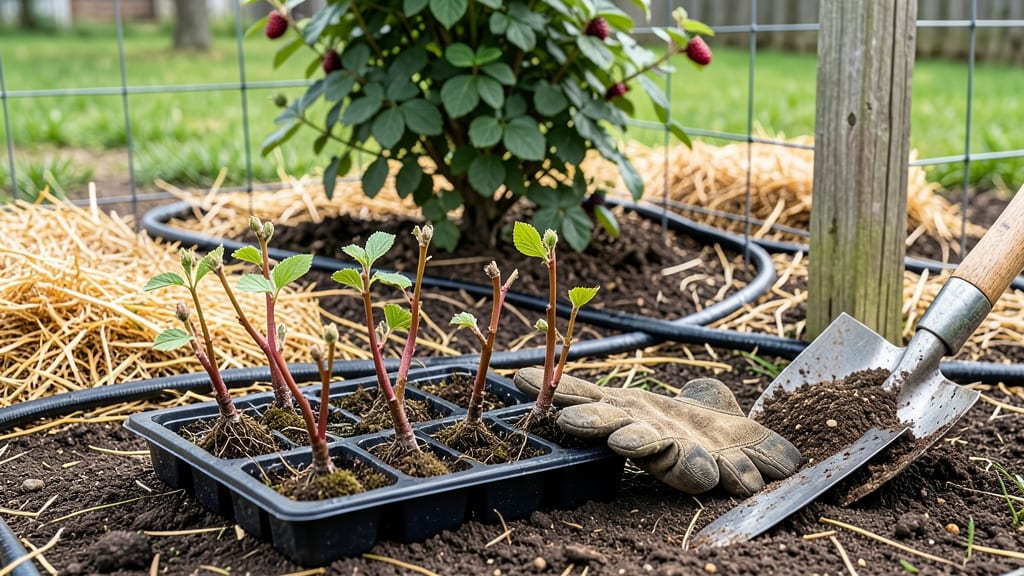
Planting blackberries in Texas isn’t just about grabbing a 🫐 bush and sticking it in the ground—timing is everything, especially when you’re dealing with 8a-10b zones that can swing from scorching summers to unpredictable freezes.
Miss the window, and you might end up with half-hearted vines that struggle to fruit, or worse, get fried by early heat. The good news? With the right chill-hour matching and regional tweaks, you can set your blackberries up for a reliable harvest every season.
Most Texas gardeners swear by late winter to early spring as the prime time to plant, but that’s not a one-size-fits-all answer. North Texas (think Dallas) has a different last-frost date than Houston, and South Texas’s longer growing season means fall planting can also work—if you play it smart.
I’ll break down exactly when to dig in your canes, whether you’re working with bare-root plants or potted ones, so you can avoid the most common pitfalls that turn promising starts into disappointing flops.
What you’ll discover here is how to align your planting schedule with your local chill hours—because not all blackberry varieties thrive in Texas heat. Some need 300+ chill hours to fruit properly, while others barely need a chill at all.
We’ll cover the best varieties for each zone, soil prep tricks to keep roots happy, and even how to protect your new plants from Texas’s infamous late frosts. No more guesswork—just a clear roadmap to juicy, bountiful blackberries.
Ready to turn your backyard into a berry-producing powerhouse? Let’s get into the specifics so you can skip the trial-and-error and start harvesting next spring instead of waiting years for your bushes to pay off. Trust me, your future self (and your taste buds) will thank you.
Texas blackberry planting zones: matching chill hours to varieties
Texas spans USDA zones 8a through 10b, creating a unique challenge for blackberry growers. Unlike northern states, Texas lacks the consistent winter chill many blackberry varieties need to produce fruit.
The key? Choosing low-chill varieties that match your specific region's 300-1,000 chill hours (the number of hours below 45°F needed for fruiting).
North Texas (Zones 8a-8b) gets 500-800 chill hours, while Central Texas (Zone 8b-9a) averages 300-500 hours, and South Texas (Zones 9b-10b) often sees fewer than 300 hours.
Planting the wrong variety in these zones can mean no fruit—or even no survival—because the plant won’t break dormancy properly.
Here’s the critical rule: Match your blackberry variety to your chill hours. For example, ‘Arapaho’ or ‘Navaho’ (500-800 hours) thrive in North Texas, while ‘Ouachita’ or ‘Chester’ (300-500 hours) work better in Central Texas.
South Texas gardeners should opt for ‘Apache’ or ‘Arapaho’, which tolerate as few as 200 chill hours.
🌱
Timing your plantings isn’t just about chill hours—it’s also about avoiding extreme heat. In North Texas, planting in late February or early March gives canes time to establish roots before summer’s brutal heat.
Central Texas gardeners should aim for late February to mid-March, while South Texas’ milder winters allow for fall planting (September-October) to avoid spring heat stress.
One common misconception is that thornless varieties are easier to grow, but they often require more chill hours than their thorny counterparts. For example, ‘Natchez’ (thornless) needs 600-800 chill hours, making it a poor fit for South Texas unless you use artificial chill treatments (like refrigeration) during dormancy.
Pro tip: If you’re in a warmer microclimate (like a urban heat island), your chill hours might be 50-100 lower than the regional average. Use a home weather station to track your local chill hours and adjust your variety choice accordingly.
🌿
For container growers, fall planting (September-October) is ideal because it lets canes establish roots before winter. However, avoid planting in late summer—the heat can stress young roots. If you must plant in summer, use shade cloth and daily watering to protect your investment.
Remember: Soil temperature matters too. Blackberries need soil temps above 60°F to root properly. In North Texas, this usually means waiting until mid-March if you plant in early spring. Use a soil thermometer to check—planting too early in cold soil can stunt growth.
Finally, consider trellising early. Texas’s strong winds and heavy fruit can snap canes if they’re not supported. Install your trellis system at planting time to save time later.
☀️
Step-by-step blackberry planting timeline for Texas regions
Texas’s diverse climate means your blackberry planting schedule should depend on whether you’re in North Texas, Central Texas, or South Texas. Each region has its own last frost dates and chill-hour needs, so timing is everything for a successful harvest.
Let’s break it down by month and region to ensure your canes get off to the right start.
For North Texas (USDA Zones 7b-8a), like Dallas or Fort Worth, aim to plant between mid-February and early March for spring planting or late September to early October for fall. These windows give your blackberries enough time to establish roots before summer heat or winter frost hits.
In Central Texas (USDA Zones 8a-8b), such as Austin, shift your schedule slightly to late February to March in spring or October in fall, while South Texas (Zones 8b-10a), like Houston or San Antonio, can plant as late as March-April in spring or November in fall.
Here’s your region-specific planting timeline, including soil prep, spacing, and post-planting care to keep your blackberries thriving:
🌱 North Texas (Dallas/Fort Worth)
- Late February - Early March (Spring Planting): Soil temp should be 60°F+. Amend soil with compost and a balanced fertilizer (10-10-10).
- Plant canes 2-3 feet apart (thornless varieties) or 4-6 feet apart (thorny types). Space rows 6-8 feet apart for airflow.
- Water deeply immediately after planting (1-2 gallons per plant) and mulch with 2-3 inches of straw to retain moisture.
- Late September - Early October (Fall Planting): Follow the same steps, but choose low-chill varieties like 'Arapaho' or 'Ouachita'.
🌿 Central Texas (Austin)
- Late February - March (Spring Planting): Test soil pH (5.5-6.5 is ideal). Add organic matter like aged manure or compost.
- Plant canes in early March when soil warms to 65°F+. Use trellis supports immediately to guide growth.
- October (Fall Planting): Ideal for everbearing varieties like 'Natchez'. Plant 6-8 weeks before first frost (usually mid-October).
- Mulch heavily to protect roots from winter temperature swings (common in Central Texas).
🪴 South Texas (Houston/San Antonio)
- March-April (Spring Planting): Wait until soil reaches 70°F+. Choose heat-tolerant varieties like 'Choctaw' or 'Apache'.
- Plant canes deeper than in cooler regions (up to 2 inches deeper) to protect roots from heat stress.
- November (Fall Planting): Plant 8-10 weeks before first frost (usually late November). Use drip irrigation to avoid fungal issues.
- Provide afternoon shade in summer to prevent berry sunscald, common in South Texas’s intense heat.
After planting, monitor your blackberries closely for the first 30 days. Consistent morning watering and weekly inspections for pests (like spider mites or aphids) will set your bushes up for success.
In North Texas, watch for late spring frosts (after March 15), while South Texas growers should shield new plants from summer heatwaves with shade cloth if temperatures exceed 95°F.
With this regional timeline, you’ll avoid the most common pitfalls—like planting too early and risking frost damage or too late and missing the optimal growth window. Stick to these schedules, and you’ll be enjoying juicy blackberries by late spring, no matter where in Texas you garden! 🫐