
Plants
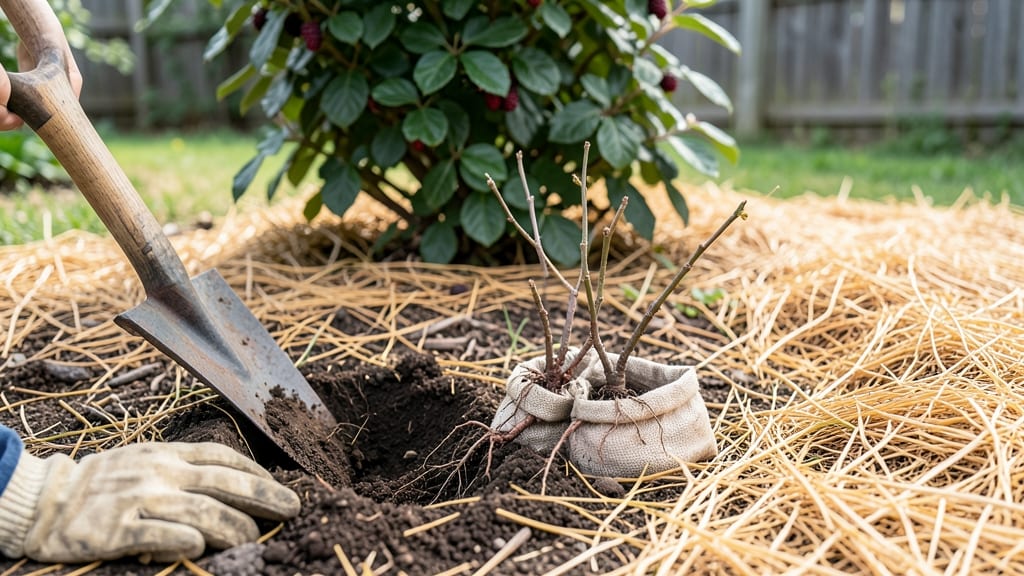
Planting blackberries in Florida isn't just about grabbing a cane and sticking it in the ground—it's about matching your variety to the chill hours your region actually delivers.
With 300 frost-free days and temperatures that rarely dip below freezing, Florida gardeners have unique opportunities (and challenges) when it comes to growing these 🫐 powerhouses.
Most gardeners assume spring is the only time to plant, but Florida's mild winters mean you can actually set out blackberry canes year-round. The key? Understanding how many chill hours your chosen variety needs to fruit properly.
A low-chill variety might thrive in South Florida's heat, while a medium-chill type could struggle in the Panhandle's cooler winters.
In this guide, I'll break down the exact planting windows that work best for Florida's diverse microclimates—whether you're in Zone 8a or Zone 11. You'll learn when to plant for maximum fruit production, how to prepare your soil for Florida's intense summer heat, and which varieties are truly Florida-proof.
Ready to grow blackberries that actually bear fruit? Let's dive into the chill-hour matching system that will transform your planting strategy—and your harvest—forever.
Best planting windows for Florida blackberries by chill-hour needs
Florida’s year-round growing potential might make you think blackberries can be planted anytime—but chill-hour requirements are the real game-changer. Most blackberries need 500-900 chill hours (temperatures between 32°F-45°F) to set fruit properly.
Without enough chill, you’ll get fewer berries or even no harvest at all. The key is matching your blackberry variety to Florida’s microclimates, from North to South.
North Florida (Zones 8a-8b, e.g., Jacksonville, Gainesville) gets cooler winters with 300-500 chill hours, while Central Florida (Zone 9a, Orlando) averages 200-300 chill hours. South Florida (Zone 10a-11, Miami, Naples) often sees fewer than 200 chill hours—meaning low-chill varieties are your best bet.
Timing your plantings to avoid summer’s 100°F+ heat is equally critical.
Pro Tip: Use bare-root canes in late winter (January-February) for the best root establishment before Florida’s heat ramps up. This gives plants 3-4 months to grow strong before summer stress hits. If you’re in South Florida, consider fall planting (September-October) to take advantage of cooler temps and avoid summer heat shock.
| Chill-Hour Range | Best Planting Window | Florida Regions | Key Varieties | Avoid Planting |
|---|---|---|---|---|
| 500-700 | January-February | North/Central FL | Arapaho, Ouachita | June-August (heat stress) |
| 700-900 | December-January | North FL only | Natchez, Chester | April-May (late frost risk) |
| 200-500 | September-October | South/Central FL | Florida Brightwell | March-May (extreme heat) |
For North Florida gardeners, January-February is ideal for planting medium-chill varieties like 'Natchez' or 'Chester'. These varieties thrive with 700-900 chill hours, which North FL typically delivers. Plant after the last expected frost (mid-January) to avoid cold damage to new roots.
If you’re in Central Florida, stick to low-chill varieties (500-700 hours) like 'Arapaho' and plant in late winter (February) to align with natural cooling trends.
South Florida’s lack of chill hours means 'Florida Brightwell' is your best bet—it produces well with as few as 200 chill hours.
Plant in September-October to avoid summer’s oppressive heat. Container growing is a smart strategy here, as you can move pots to shadier spots during peak summer months (June-August) to reduce stress. Just ensure containers have drainage holes and use well-draining potting mix to prevent root rot.
One common mistake Florida gardeners make is planting high-chill varieties (900+ hours) like 'Triple Crown' without accounting for supplemental chilling. If you’re determined to grow these, consider artificial chilling in a garage or cold storage for 4-6 weeks before planting in January.
However, this is labor-intensive and often not worth
Best planting windows for Florida blackberries by chill-hour needs
Florida’s three distinct chill-hour zones (North, Central, South) mean your blackberry planting window depends on the variety you choose.
Low-chill varieties (500-700 hours) thrive statewide, while medium-chill (700-900 hours) work best in North Florida, and high-chill (900+ hours) are risky unless you use winter chill accumulation tricks. Let’s break down the optimal planting months for each zone.
In North Florida (Zones 8a-8b), where winter temps dip below freezing, aim for late December to early February planting. This gives canes 6-8 weeks to establish roots before summer heat arrives.
For Central Florida (Zones 9a-9b), plant between January 15 and February 15 to avoid heat stress during Florida’s brutal summer. South Florida (Zones 10a-11) gardeners can plant year-round, but late winter (Feb-Mar) is ideal for best fruit set.
Chill-hour accumulation is critical—most Florida varieties need 300-500 hours below 45°F to flower properly. Use low-chill varieties like 'Arapaho' (500 hours) or 'Ouachita' (600 hours) for reliable harvests. High-chill varieties like 'Navaho' (900+ hours) may need artificial chilling (e.g., refrigeration for 4-6 weeks) before planting in South Florida.
Regional microclimates matter. Coastal areas (e.g., Miami, Tampa) have fewer chill hours than inland (e.g., Gainesville, Ocala). If you’re in a warmer microclimate, plant earlier (Dec-Jan) to capitalize on cooler winter temps. Conversely, higher elevations (e.g., Apalachicola) can handle later plantings (Feb-Mar) due to cooler nights.
| Region | Chill-Hour Zone | Best Planting Window | Variety Recommendation |
|---|---|---|---|
| North Florida | 8a-8b | Late Dec - Early Feb | Arapaho, Natchez, Chester |
| Central Florida | 9a-9b | Jan 15 - Feb 15 | Ouachita, Prime-Ark Freedom |
| South Florida | 10a-11 | Feb - Mar (or year-round) | Arapaho, Florida Brightwell |
🌱 Pro Tip: Use mulch (3-4 inches) after planting to preserve soil moisture and simulate cooler temps.
For container growing, plant anytime except summer—containers heat up quickly and stress roots. If you miss the winter window, fall planting (Sept-Oct) is your second-best option, but be prepared for reduced fruit set the first year.
Always acclimate bare-root canes for 1-2 weeks in partial shade before transplanting to avoid transplant shock.
Monitor your local chill-hour accumulation using tools like the UF/IFAS Chill Hour Calculator. In South Florida, where chill hours are scarce, consider trellising varieties like 'Florida Brightwell'—they produce fruit with as few as 200 chill hours.
For North Florida, prioritize high-chill varieties like 'Chester' (900+ hours) for heavier yields.
Timing isn’t just about months—it’s about temperature trends. Plant when daytime highs are below 80°F and nights dip into the 50s-60s. Use a soil thermometer to confirm—ideal planting soil temps are 60-70°F.
With the right timing, your blackberry bushes will reward you with sweet, juicy fruit from March through September.