
Plants
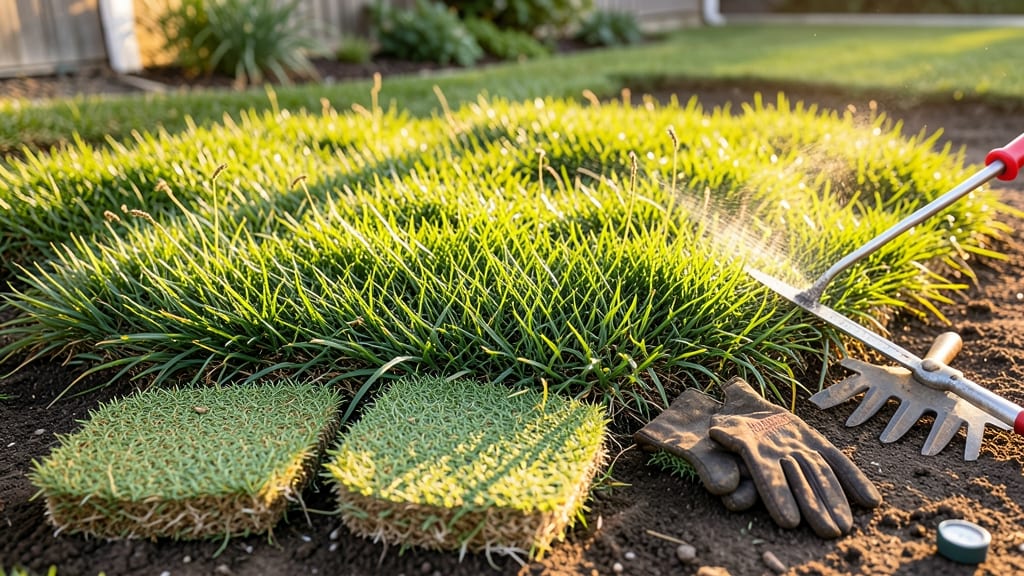
Planting Bermuda grass 🌱 at the wrong time in Kansas can mean the difference between a lush, drought-resistant lawn and a struggling patch that never quite takes hold. With USDA Zones 5b-7a bringing hot summers and unpredictable springs, timing is everything for fast establishment.
Most gardeners assume spring is the only window, but Kansas’ climate actually offers a second chance in early fall—if you know the exact soil temperature thresholds (65-75°F) that trigger strong root growth.
I’ll break down the ideal planting windows and why late May plantings often fail, even when the weather seems perfect.
Whether you’re seeding bare spots or laying sod, these Kansas-specific tips will help you avoid common mistakes like planting too late (after July) or ignoring summer dormancy. Let’s get your Bermuda grass off to the fastest start possible—without wasting time or money on guesswork.
From Wichita’s heat spikes to Kansas City’s clay soil challenges, I’ll cover what you need to know to prep your lawn for success. Ready to transform your yard into a hardy, green oasis? Let’s dive into the exact timing and care your Bermuda grass needs to thrive.
Optimal planting timeline for Bermuda grass in Kansas (zones 6-7)
Bermuda grass thrives in Kansas’ hot summers and drought conditions, but timing your planting is critical. Unlike cool-season grasses, Bermuda needs warm soil (65-75°F) to establish roots quickly.
In USDA Zones 6-7, this means waiting until after the last frost date—typically mid-April to mid-May—when daytime temperatures consistently stay above 70°F.
Planting too early risks frost damage or slow growth, while waiting too late (after June 15) can stress the grass during Kansas’ intense summer heat. The ideal window is April 20 to May 15, aligning with soil warming trends in cities like Wichita and Kansas City.
For sod installation, choose early May to maximize root establishment before summer droughts. If using seed or plugs, prioritize late April to give plants a head start. Fall planting (September) is possible but riskier due to earlier frosts in Zone 6.
Kansas’ microclimates matter: Southern regions (e.g., Dodge City) can plant 1-2 weeks earlier than northern areas (e.g., Topeka). Use a soil thermometer to confirm 65°F+ soil temps before planting.
| Planting Stage | Kansas Timeline (Zones 6-7) | Soil Temp Requirement | Key Consideration |
|---|---|---|---|
| Seed/Plugs | Late April – Mid-May | 65-75°F | Fastest germination |
| Sod | Early May – Early June | 70-75°F | Max root spread |
| Fall Planting | Late August – Early Sept | 60-65°F | Risk of early frost |
| Avoid After | June 15 | N/A | Heat stress risk |
Bermuda grass enters summer dormancy in Kansas by mid-July, so planting after this date forces it to struggle. For fast establishment, water deeply 2-3x weekly for the first 4 weeks post-planting.
In Wichita’s Zone 7a, aim for May 1 planting; in Topeka’s Zone 6a, wait until May 10.
Pro tip: Use black plastic mulch in early spring to warm soil faster and extend your planting window. Remove it 2 weeks before planting to avoid heat stress on young grass. This trick is especially useful in northern Kansas where soils stay cooler longer.
Monitor local weather forecasts for 10-day highs. If temperatures dip below 60°F at night for 3+ days, delay planting. Kansas City’s humidity can also slow germination—opt for dry, sunny days (50% humidity or less) for best results.
Once established, Bermuda grass in Kansas can outcompete weeds and handle drought conditions better than cool-season grasses. However, poor timing leads to thin patches and increased weed pressure. Stick to the April-May window, and you’ll see dense, green coverage by early summer. 🌱
Optimal planting timeline for Bermuda grass in Kansas (zones 6-7)
Kansas’ USDA Zones 6-7 create a tight window for planting Bermuda grass—miss it, and you risk stunted growth or summer dormancy. Unlike cool-season grasses, Bermuda thrives in warm soil, so timing is everything. The ideal window is mid-April to mid-May, when soil temperatures consistently reach 65-75°F.
Why? Bermuda grass germinates best in warm conditions, and planting too early (before last frost) exposes seedlings to cold snaps. Conversely, late spring plantings (after June) struggle to establish roots before summer heat sets in.
Kansas City’s last frost typically occurs around April 15, while Wichita may see it 1-2 weeks earlier—adjust accordingly.
🌱 Key Tip: Use a soil thermometer to confirm 65°F+ before planting. In Kansas, this often aligns with late April to early May, but microclimates near rivers or hillsides may vary.
| Planting Stage | Kansas Timeline (Zones 6-7) | Soil Temp Requirement | Risk if Missed |
|---|---|---|---|
| Seed Germination | Mid-April to mid-May | 65-75°F | Slow growth, poor drought resistance |
| Establishment | May to June | 70-85°F | Weak root system, summer dormancy |
| Full Coverage | July to August | 80-90°F | Thin patches, increased weeds |
Fall planting is not recommended for Bermuda grass in Kansas. While some gardeners attempt it in late August to September, the grass struggles to establish roots before first frost (mid-October). Instead, focus on spring planting and overseeding in early fall for existing lawns.
Pro early May plantings: Warmer soil speeds germination, and seedlings benefit from longer daylight hours. However, avoid planting after June 15—high temperatures and drought stress make establishment nearly impossible. Use shade cloth if planting in late May to protect young seedlings from intense Kansas sun.
For sod installation, the window shifts slightly to late April to early June. Sod establishes faster than seed, but still requires consistent moisture during the first 3 weeks. Water deeply twice daily (morning and evening) until roots penetrate 4 inches deep.