
Plants
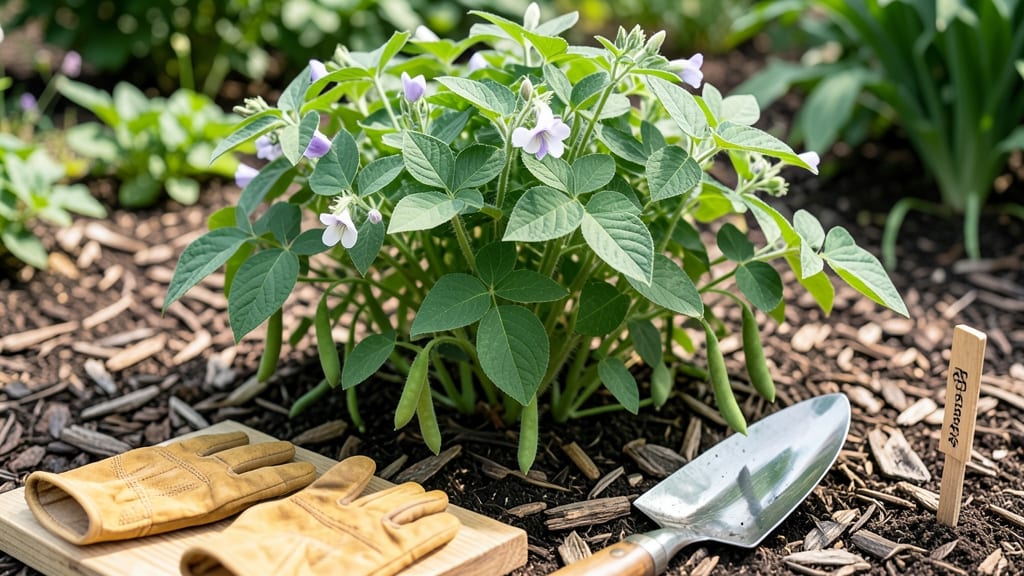
Planting beans at the wrong time in North Carolina can mean the difference between a thriving garden and a sad, wilted crop—especially when late frosts still lurk in the mountains or coastal breezes linger longer than expected.
If you've ever wondered why your 🌱 beans failed to thrive despite your best efforts, timing is likely the culprit. North Carolina's diverse climate—from the 6b-8a zones to the Piedmont's earlier springs—means the "perfect" planting window shifts depending on where you live.
I’ll break down exactly when to plant beans in your specific corner of the state, whether you’re growing bush beans for quick harvests or pole beans for a summer-long supply. You’ll learn how to time your plantings around frost dates, soil temperatures, and even variety preferences.
By the end, you’ll know not just when to plant, but how to set your beans up for success—so you can enjoy fresh-picked pods from June through October without a single failed attempt.
North Carolina’s frost-free dates and bean planting zones by month
North Carolina’s diverse climate—from the cool mountain regions to the humid coastal plains—means bean planting times vary dramatically across the state. Understanding your USDA hardiness zone and local frost dates is key to avoiding late-spring frosts that can devastate young plants.
Most of NC falls within zones 6b-8a, but even small elevation changes can shift your ideal planting window by weeks.
For most gardeners, the last frost date determines when to plant beans. In the Piedmont region (like Raleigh and Greensboro), expect your last frost around mid-April.
Coastal areas (Wilmington, Morehead City) often see frost-free conditions by early March, while the mountains (Asheville, Boone) may not reach safety until late April or early May. Always check your local Almanac frost calendar for precision.
Beans thrive in warm soil temperatures—aim for at least 60°F (15°C) before planting. In NC, soil warms slowly in spring, so don’t rush! Use a soil thermometer to confirm readiness.
For pole beans, which need a longer growing season, wait until after May 15 in most zones. Bush beans, faster-maturing, can often go in as early as April 20 in coastal areas.
🌱
North Carolina’s summer heat makes succession planting a game-changer for continuous harvests. After your first planting (around April-May), follow up with 2-3 more plantings every 2-3 weeks until mid-July.
This ensures fresh beans from June through September. For fall harvests, plant again in late July or August—these beans will mature just before the first frost in October.
Soil preparation is just as critical as timing. Beans prefer well-draining, slightly acidic soil (pH 6.0-7.0). Work in 2-3 inches of compost before planting and avoid fresh manure, which can burn young roots.
If your soil is heavy clay (common in Piedmont), amend with sand or peat moss to improve drainage. A mulch layer of straw helps retain moisture and suppress weeds during NC’s hot, dry summers.
One common mistake is planting beans too early in cool soil. If seeds sit in cold, wet soil, they’ll rot before sprouting. Always wait for consistent daytime temps above 70°F and soil temps at 60°F or warmer.
For mountain gardeners, this might mean waiting until late May or early June—patience pays off with healthier plants and bigger yields.
For container gardening in NC, choose bush bean varieties like Blue Lake or Romano, which thrive in 5-gallon pots. Place containers in full sun and water daily during summer’s heat. Pole beans need tall trellises (6-10 ft), so plan your container setup carefully if space is limited.
🌿
Best bean varieties for North Carolina and their ideal planting times
North Carolina’s diverse climate supports a wide range of bean varieties, each with its own planting window and heat tolerance. Whether you prefer bush beans for compact gardens or pole beans for trellises, choosing the right variety ensures a successful harvest.
The key is matching your local frost dates with the bean’s ideal growing conditions.
For coastal NC (USDA Zone 8a), where winters are mild, you can start planting as early as mid-March for early-maturing varieties like Blue Lake or Kentucky Wonder.
In contrast, the mountain regions (Zone 6b) should wait until after the last frost, typically around mid-May, to avoid frost damage to tender seedlings.
| Variety | Type | Planting Window | Days to Harvest | Heat Tolerance |
|---|---|---|---|---|
| Blue Lake | Bush | Mid-April to June | 50-60 days | Moderate |
| Scarlet Runner | Pole | Late May to July | 70-80 days | High |
| Cowpea | Bush | June to August | 55-65 days | Very High |
| Romano | Bush | April to June | 55-60 days | Moderate |
| Kentucky Wonder | Pole | Late April to June | 60-70 days | Moderate |
If you’re aiming for a fall harvest, opt for heat-tolerant varieties like Cowpea or Scarlet Runner and plant them in late July to early August. These varieties thrive in NC’s summer heat and can produce pods well into September or October, depending on your location.
For the Piedmont region, a mix of early and late plantings ensures a continuous supply of fresh beans.
For succession planting, stagger your sowings every 2-3 weeks after the initial planting. This technique works especially well for bush beans, which mature quickly.
For example, if you plant Blue Lake beans in mid-April, follow up with another batch in early May and a final one in late May to extend your harvest through July.
Always check the seed packet for specific instructions, as some varieties may require slightly different conditions. For instance, Scarlet Runner beans need a longer growing season and prefer warmer soil temperatures, making them ideal for late spring plantings in NC’s cooler mountain regions.
Pro tip: If you’re new to growing beans, start with Blue Lake or Romano varieties—they’re forgiving, productive, and perfect for beginners. Pair them with a trellis or stake to save space and improve air circulation, reducing the risk of fungal diseases like bean rust.