
Plants
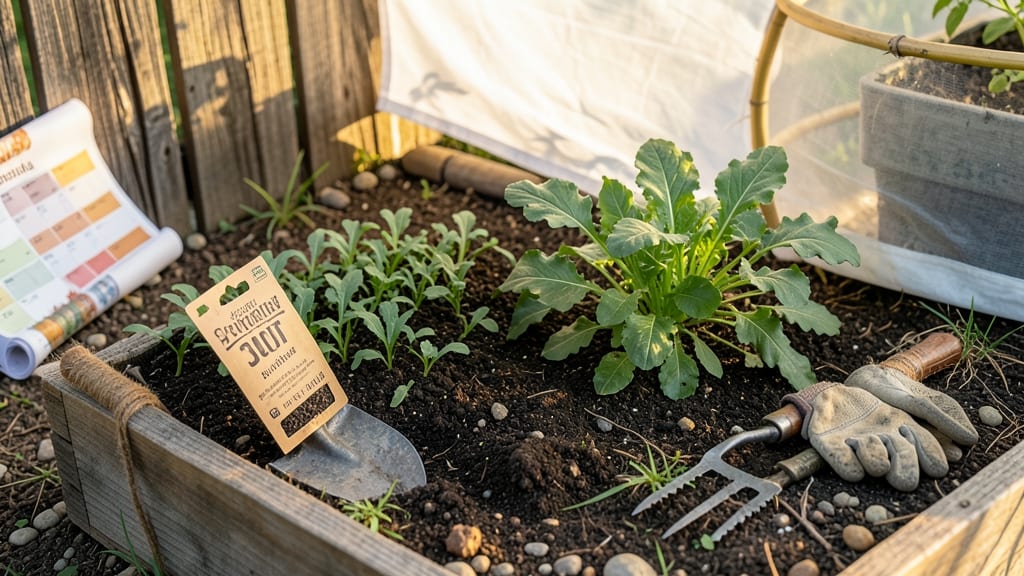
Planting arugula 🥬 in Texas isn’t just about throwing seeds in the ground—it’s about beating the heat and bolting to get crisp, flavorful greens when you need them most.
The key to success lies in timing your fall and early spring plantings just right, so you can enjoy fresh harvests before the summer sun turns your garden into a sauna.
If you’ve ever watched your arugula turn bitter or bolt too quickly, you know how frustrating it can be.
Texas’ 8a-10b climate (with regional variations from North to South) means your planting window isn’t one-size-fits-all—but with the right strategy, you can extend your harvest well into winter or kickstart a spring crop without the guesswork.
I’ll break down the exact months to plant for your region, how to prep your soil for fast growth, and even which varieties hold up best in Texas’ mild winters.
Whether you’re a first-time gardener or a seasoned green thumb, these tips will help you grow arugula faster and avoid common pitfalls.
Ready to skip the summer struggle and enjoy bolt-free harvests? Let’s dive into the best times to plant—and how to keep your arugula thriving until the last frost.
Best planting windows for arugula in Texas: avoid heat and prevent bolting
Arugula thrives in cool weather, making fall and early spring the perfect times to plant in Texas. The key is avoiding summer heat, which causes arugula to bolt (go to seed) quickly.
Texas’ diverse climate means North Texas has shorter growing seasons than South Texas, so timing varies by region.
For North Texas (USDA Zones 7b-8a), aim for September to November plantings. In Central Texas (Zones 8a-8b), you can extend slightly into early December, while South Texas (Zones 9a-10b) gardeners can plant through mid-December.
Early spring plantings in February to March also work well before summer heat arrives.
Texas’ first frost dates vary wildly—North Texas can see frost by mid-December, while South Texas rarely drops below freezing. Use these dates to guide your 6-8 week planting window before the first frost for a fall harvest.
Here’s a quick seasonal breakdown to maximize your arugula’s potential in Texas:
| Season | Planting Window | Ideal Temp Range | Harvest Window | Texas Region Fit |
|---|---|---|---|---|
| Fall | September–November | 50–70°F | October–December | All regions |
| Early Spring | February–March | 55–75°F | March–April | North/Central Texas |
| Winter (with protection) | December–January | 40–60°F | January–February | South/Central Texas |
To extend your growing season, use row covers or cold frames in winter. These protect arugula from unpredictable freezes and hard frosts, letting you harvest through February in most of Texas. In North Texas, a hoop house can push harvests into early March.
If you’re in South Texas, you can even try late summer plantings (August) in partial shade to avoid the hottest afternoons. However, expect bolting within 3-4 weeks—best for quick harvests or seed saving.
For fastest growth, plant Astro or Sylvetta varieties, which mature in 21-30 days. These are heat-tolerant compared to traditional arugula and handle Texas’ mild winters better. Always direct-sow seeds—arugula hates transplanting.
Watch for temperature spikes above 80°F, which trigger bolting. If your arugula starts flowering, harvest the outer leaves first to slow the process. In North Texas, arugula may overwinter if protected, but South Texas gardeners can grow it year-round with shade cloth.
Pro tip: Sow seeds every 2 weeks in fall for a continuous harvest. This ensures you always have fresh, tender leaves without waiting for a full batch to mature. Pair arugula with radishes or lettuce for a fast-growing salad mix that thrives in Texas’ cooler months.
Best planting windows for arugula in Texas: avoid heat and prevent bolting
Arugula thrives in Texas’ cooler months, but timing is everything. Plant too early, and unpredictable freezes can damage seedlings. Plant too late, and summer heat forces bolting. My ideal window? September through November for fall harvests, with a February-March slot for early spring.
These months keep soil temps between 60-75°F, perfect for arugula’s growth.
Texas’ microclimates matter—North Texas (USDA Zones 7b-8a) gets frost earlier than South Texas (9a-10b). For example, North Texas should start seeds by mid-August to harvest before December 15’s first frost, while South Texas can stretch harvests until January 1.
Always check your local frost dates—they’re your planting deadline.
🌱 Texas Arugula Planting Timeline by Region
| Region | Planting Window | Harvest Window | Key Consideration |
|---|---|---|---|
| North Texas (7b-8a) | Sep 15 - Nov 15 | Oct 1 - Dec 15 | First frost Dec 15 |
| Central Texas (8a-8b) | Sep 1 - Nov 30 | Oct 15 - Jan 15 | Mild winters, extend season |
| South Texas (9a-10b) | Aug 15 - Dec 15 | Sep 1 - Feb 1 | No frost, year-round growth |
Extend your harvest with row covers or cold frames—they add 2-4°F protection during dips below 40°F. I’ve used floating row covers to push harvests into January in Central Texas, even when temps hit 32°F. Just remove covers during daytime warmth to prevent overheating.
For spring plantings, wait until February-March when soil temps rise above 50°F. Early spring arugula bolts faster in 80°F+ heat, so prioritize shade cloth if planting in April.
My pro tip: Start seeds indoors in late January for a March transplant—this gives you a 2-week head start on the heat.
Texas’ unpredictable weather means flexibility. If unseasonable warmth hits in October, move seedlings to partial shade and increase watering. Conversely, if early freezes arrive, harvest everything before temps drop below 28°F. I’ve lost entire beds to winter freezes—don’t let that be you!
Protect your crop with mulch (straw or leaves) to insulate roots. In North Texas, I’ve seen 30°F nights kill exposed plants, but mulched beds stayed 10°F warmer.
Pair this with drip irrigation to keep soil moist without wetting foliage—disease prevention is key in Texas’ humid winters. 🌱