
Trees
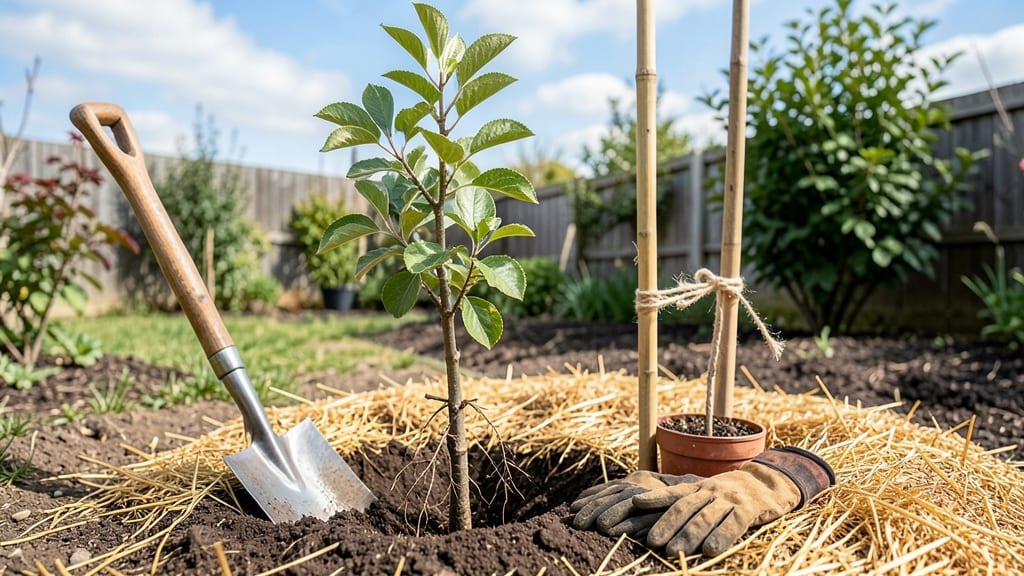
Planting your 🍎 Apple Tree at the wrong time in Indiana could mean struggling with weak roots or lost fruit potential—but getting the timing right guarantees a thriving orchard.
The key lies in understanding your USDA Zone 6a chill-hour needs and avoiding those last-minute frost surprises that sneak up after April 15.
Most gardeners in Indiana wait until late winter or early spring, but there’s a science behind why March or April works best. Bare-root trees planted before buds swell give roots time to establish before summer heat hits, while container-grown varieties offer more flexibility.
I’ll break down exactly when to dig in your backyard for the strongest start.
You might think all apple trees follow the same schedule, but varieties like Honeycrisp or Jonathan have specific chill-hour requirements that dictate their planting window. A misstep could mean your tree struggles to fruit—or worse, fails to survive Indiana’s unpredictable swings between 30°F nights and 80°F days.
Let’s cut through the guesswork and pinpoint the perfect planting window for your climate, plus pro tips to keep your 🍎 Apple Tree thriving from day one. Ready to grow fruit that’ll make your neighbors jealous?
Indiana’s chill-hour zones: how they determine apple tree planting times
Indiana’s climate varies dramatically from its northern USDA Zone 5 regions to southern Zone 6 areas, creating distinct chill-hour requirements for apple trees. Chill hours—the number of hours below 45°F a tree needs to produce fruit—dictate which varieties thrive in your yard.
Northern Indiana needs 800–1,000+ chill hours, while southern Indiana can support varieties with 500–700 chill hours.
For example, Honeycrisp (a popular choice) requires 700–900 chill hours, making it ideal for most of Indiana, while Fuji (500–600 hours) works better in southern counties.
Planting outside these zones risks poor fruit set or no harvest at all. Always check the Indiana Horticultural Society’s chill-hour map before selecting varieties.
Timing your planting around chill hours is critical. Plant bare-root trees in late winter (February–March) when soil is workable but before buds swell. Container-grown trees can go in early spring (April) or even fall (October), but avoid planting when soil temps drop below 40°F—roots won’t establish properly.
Indiana’s last frost date typically falls around April 15, but late frosts can linger into May, especially in northern areas. Choose early-blooming varieties like ‘Liberty’ for frost-prone zones, as they bloom later and reduce frost damage risks.
Soil temperature also plays a role. Roots need soil at 45–55°F to grow actively. Use a soil thermometer to confirm—planting too early in cold soil can stress roots. In Zone 5 (northern Indiana), aim for mid-March planting; in Zone 6 (southern Indiana), early April is safer.
Here’s how Indiana’s chill-hour zones break down by region:
| Region | Chill Hours | USDA Zone | Best Varieties | Planting Window |
|---|---|---|---|---|
| Northern Indiana | 800–1,000+ | 5a–5b | Honeycrisp, Jonathan, Liberty | Feb–March |
| Central Indiana | 600–800 | 5b–6a | Gala, McIntosh, Zestar! | March–April |
| Southern Indiana | 500–700 | 6a–6b | Fuji, Red Delicious, Golden Delicious | April–May |
Mistiming planting can lead to root shock or poor fruit production. For instance, planting in late April risks exposing young trees to late frosts, while planting in November gives roots too little time to harden off before winter.
Always align your planting with your local chill-hour zone and last frost date.
Pro tip: Use mulch (straw or wood chips) after planting to insulate roots and maintain even soil temperatures. This is especially critical in Indiana’s Zone 5 areas, where soil can freeze and thaw unpredictably. Mulch also retains moisture, reducing the need for frequent watering during dry spells.
If you’re unsure about your chill-hour zone, check the Purdue Extension’s climate maps or use a chill-hour calculator like the one from the Cornell University Nursery. These tools cross-reference your ZIP code with historical weather data to give precise recommendations.
Remember, dwarf varieties (like ‘Columnar’ or ‘Semi-Dwarf’) adapt more easily to chill-hour mismatches than standard trees, making them a great choice for gardeners in transitional zones. They also fruit faster—often within 3–5 years—compared to 5–7 years for standard trees.
Step-by-step planting timeline for Indiana’s spring and fall seasons
Timing your apple tree planting in Indiana depends heavily on whether you’re using bare-root trees or container-grown varieties. Both have distinct windows, but spring remains the safest bet for most gardeners.
I’ve planted both types and found that bare-root trees thrive when planted in late winter to early spring (February–March), while container-grown trees offer more flexibility but still perform best in spring or early fall.
For Indiana’s USDA Zones 5–6, the last average frost date is around April 15, but early spring planting (March) gives roots time to establish before summer heat arrives.
If you miss spring, fall planting is possible until mid-October, but avoid planting when soil temperatures drop below 40°F—this can stunt root growth. I once planted a container-grown tree in late October, and it struggled through the winter.
Here’s my step-by-step timeline for planting apple trees in Indiana, tailored to both seasons and tree types:
🌱 Spring Planting (Best for Bare-Root Trees)
- February–March: Order bare-root trees and soak roots in water for 1–2 hours before planting. Choose a day when soil temperatures are above 40°F.
- Late March–April: Dig a hole twice as wide as the root ball but no deeper. Mix in compost and a handful of balanced fertilizer (10-10-10).
- April (after last frost): Plant container-grown trees if not done earlier. Water deeply to eliminate air pockets and mulch with 3–4 inches of wood chips.
🍂 Fall Planting (Best for Container-Grown Trees)
- September–October: Plant container-grown trees before soil freezes. Avoid bare-root trees in fall—they need winter dormancy to survive.
- October (before mid-month): Water thoroughly after planting to help roots establish before winter. Apply a 2–3 inch mulch layer to insulate roots.
One critical mistake I’ve seen gardeners make is planting too early in spring, when soil is still cold and wet. This delays root growth and can lead to rot or fungal diseases.
Always check soil temperature with a soil thermometer—it should be at least 50°F for optimal planting conditions. If you’re unsure, wait until mid-April to be safe.
After planting, prioritize consistent watering for the first year. Young apple trees need 15–20 gallons of water weekly during dry spells, delivered at the base of the tree (not the leaves) to prevent fungal issues.
I’ve found that morning watering reduces evaporation and keeps roots cool—a game-changer for Indiana’s humid summers.
For the first two growing seasons, avoid heavy pruning or fertilizing. Focus on root establishment and light pruning to shape the tree. Once established, your apple tree will reward you with abundant fruit for decades—just like my Honeycrisp tree, which bore its first apples in year 4!