
Plants
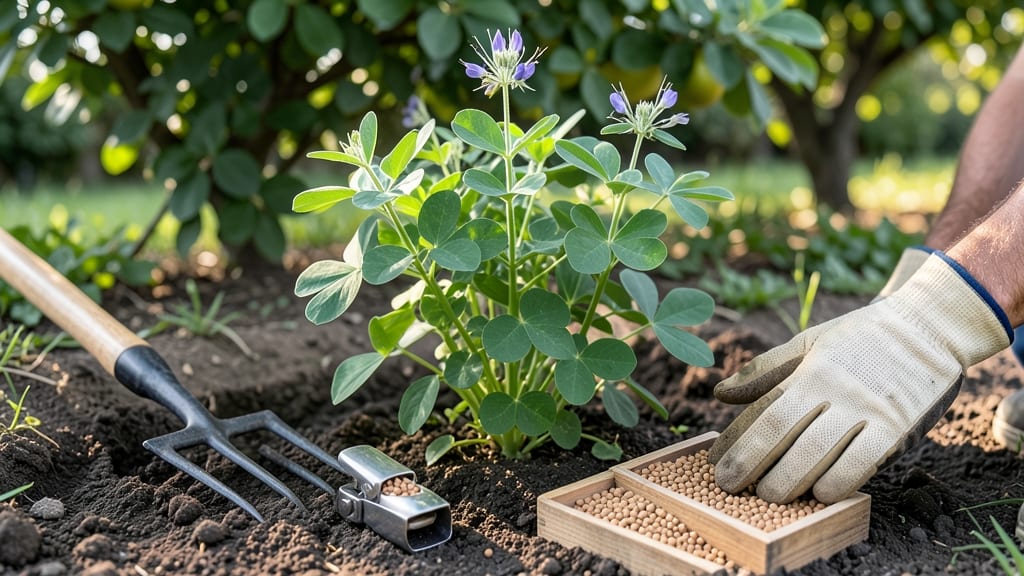
Planting alfalfa in Alabama at the wrong time can mean the difference between a lush, productive crop and weeks of waiting for seeds that never sprout. The key isn’t just checking the calendar—it’s watching for that 50-60°F soil warmth that triggers fast germination, and most gardeners miss this critical detail.
I’ve learned the hard way that alfalfa 🌱 hates cold, damp soil, which is why timing matters more than you might think. Whether you’re in North Alabama’s cooler 7a zone or the warmer 8b regions, planting too early can leave seeds sitting in the ground for weeks.
But get it right, and you’ll see those first green shoots in just 7-10 days—that’s the magic of perfect timing.
So when should you plant? The ideal windows are early spring (March-April) or late summer (August-September), but there’s more to it than dates. I’ll break down exactly how to test your soil temperature, choose the right variety for your zone, and avoid common mistakes that waste time and money.
Ready to grow alfalfa the fast and efficient way? Let’s dive into the secrets that’ll have your field thriving before you know it.
Optimal planting windows for alfalfa in Alabama by soil temperature
Alabama’s warm climate and long growing season make it ideal for alfalfa, but soil temperature determines the best planting windows. Alfalfa seeds germinate best when soil reaches 50–60°F, so timing depends on your region—North Alabama’s cooler springs vs. South Alabama’s earlier warmth.
In North Alabama (USDA Zone 7a), aim for late March to early April after the last frost (March 15 average). South Alabama (Zone 8a-8b) gardeners can plant as early as mid-February, but wait for soil to warm consistently above 55°F.
A second planting window opens in late summer (August–September) for fall harvests. This avoids extreme heat and gives seedlings time to establish before cooler weather arrives. Never plant in winter—alfalfa won’t survive Alabama’s occasional frosts.
| Region | Best Planting Window | Soil Temp Requirement | Frost Risk |
|---|---|---|---|
| North Alabama (7a) | Late March–Early April | 50–60°F | Moderate (last frost: March 15) |
| South Alabama (8a-8b) | Mid-February–Early March | 55–65°F | Low (last frost: Feb 15) |
| Both Regions | August–September | 60–70°F | None (fall frost: Nov 15) |
Alfalfa’s heat tolerance kicks in after germination, but seedlings struggle in soil above 85°F. In South Alabama’s summer heat, opt for shade cloth until plants reach 6 inches tall. North Alabama’s cooler summers reduce this risk, but late August plantings still benefit from afternoon shade.
Mississippi’s border regions (like Mobile or Huntsville) can push planting to early February if soil warms quickly, but wait for consistent 55°F+ temps for 5+ days. Use a soil thermometer—don’t guess! Cold soil delays germination by weeks, wasting seed and water.
For year-round alfalfa production, stagger plantings: March + August. This ensures continuous harvests from May through November. Just avoid planting when daytime temps exceed 90°F—alfalfa seeds won’t germinate in extreme heat.
Alabama’s humidity also plays a role. After planting, keep soil moist but not soggy to prevent fungal diseases like root rot. A drip irrigation system works best—it delivers water directly to roots without wetting leaves.
Pro tip: Cover seeds with straw mulch (1 inch thick) after planting. This retains soil moisture and insulates against temperature swings, which are common in Alabama’s unpredictable springs. Remove mulch once seedlings emerge to avoid overheating.
If you’re in Zone 7a (North Alabama), mark your calendar for April 1st as your absolute latest for spring plantings. South Alabama gardeners can afford to wait until April 15th without risking frost damage. Late plantings may not mature fully before fall frosts, reducing yield.
How to test soil warmth and adjust planting dates for maximum alfalfa germination
Alfalfa seeds need warm soil (50-60°F) to germinate properly—too cold, and they’ll rot or fail to sprout. In Alabama’s unpredictable spring, checking soil temperature before planting is non-negotiable. Many gardeners skip this step and end up with patchy germination or wasted seed.
I’ve planted alfalfa for years in North Alabama’s cooler zones (7a) and South Alabama’s heat belts (8b), and the difference between guessing and testing is night-and-day. A simple soil thermometer can save you weeks of frustration and ensure your alfalfa gets off to a strong start.
🌱
⚠️ Common Mistake: Planting Too Early
Cold soil (below 50°F) causes alfalfa seeds to rot before sprouting. In Alabama’s March (especially in the north), soil temps often linger in the 40s°F range—perfect for seed failure. Wait until soil reaches 55°F+ for reliable germination.
💡 Pro Tip: Use a soil thermometer (only $10) to check temps at 6 AM (coolest time) for 3 consecutive days before planting.
If you don’t have a soil thermometer, here’s my backup method: Plant a small patch of radish seeds (they germinate at 40°F) alongside your alfalfa. When the radishes sprout in 3-5 days, your alfalfa’s soil is likely ready—just confirm with a thermometer reading.
For late-summer plantings (August-September), heat can be just as deadly. Alfalfa struggles in soil temps above 85°F, so aim for morning plantings when soil has cooled. Mulch with straw immediately after sowing to keep roots from overheating.
🌡️ Quick Reference: Alabama’s average soil temps hit 55°F in early April (north) and late March (south). Use this as your minimum safe planting window, but always verify with a thermometer.