
Planting
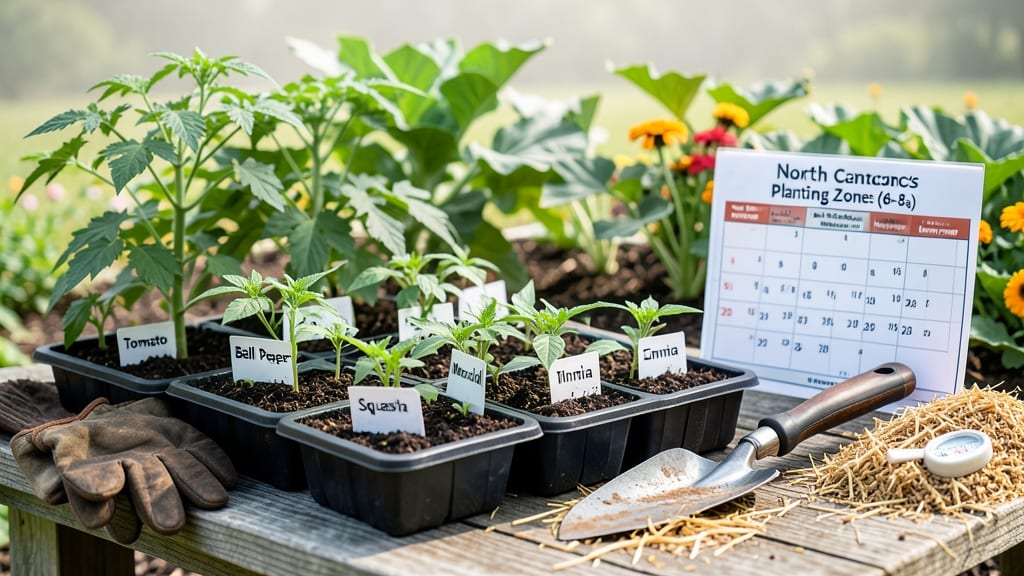
Timing your garden planting in North Carolina can make the difference between a bountiful harvest and wasted effort—especially when frost dates vary wildly from the coast to the mountains.
Whether you're growing tomatoes in the Piedmont or greens along the Coastal Plain, getting the perfect start means knowing exactly when to put seeds in the soil.
I’ve spent years tracking NC’s five distinct climate zones, and the key to success lies in understanding your local frost patterns. Plant too early, and a late freeze could kill your seedlings; too late, and you’ll miss the growing season entirely.
The right timing ensures your 🌱 thrives from spring through fall.
In this guide, I’ll break down the exact planting windows for your region—whether you’re in the warm Coastal Plain or the cooler Appalachian foothills. You’ll learn how to adjust for microclimates, use soil temperature as your guide, and even prepare for NC’s unpredictable weather shifts.
Ready to grow like a local? Let’s dive into the month-by-month schedule that’ll help you plant with confidence and reap the rewards all season long.
North Carolina’s frost dates by region: when to plant cool vs warm-season crops
North Carolina’s planting timeline isn’t one-size-fits-all—it’s shaped by five distinct climate zones, each with unique first and last frost dates. The Coastal Plain enjoys milder winters, while the Mountains face harsher freezes, sometimes 2-3 weeks later than the Piedmont.
Understanding these zones helps you align planting with cool-season crops (like broccoli) and warm-season crops (like tomatoes) for maximum success.
For cool-season crops, plant 4-6 weeks before your last frost date—this ensures they mature before summer heat arrives. Warm-season crops, however, need soil temperatures above 60°F and should wait until 2 weeks after frost.
My Asheville garden (Zone 7b) lets me start peas in March, while my friend in Wilmington (Zone 8a) plants theirs in February.
Here’s how NC’s regions break down—use this as your planting roadmap:
| Region | USDA Zone | Avg. Last Frost | Avg. First Frost | Cool-Season Window | Warm-Season Window |
|---|---|---|---|---|---|
| Coastal Plain | 8a-9a | Feb 28 - Mar 15 | Nov 1 - Nov 15 | Jan - early Mar | Mar 15 - Apr 15 |
| Piedmont | 7a-7b | Mar 15 - Apr 1 | Oct 31 - Nov 15 | Feb - early Mar | Apr 15 - May 1 |
| Mountains | 6a-6b | Apr 15 - May 1 | Oct 15 - Nov 1 | Mar - early Apr | May 15 - Jun 1 |
Knowing your last frost date is critical—it’s the cutoff for cool-season crops like lettuce and peas. For example, in Raleigh (Zone 7b), I plant spinach in early March to harvest before the May heat stunts growth.
Meanwhile, warm-season crops like sweet potatoes thrive when planted after May 15 in the Mountains, where late frosts are common.
Pro tip: Use frost cloth to extend your cool-season window by 2-3 weeks in cooler zones. I’ve saved entire broccoli crops from unexpected April freezes this way. For warm-season crops, wait until soil temps hit 60°F—a soil thermometer is your best friend here.
Don’t overlook regional exceptions. The Outer Banks can plant tomatoes in February, while Boone gardeners wait until June 1. Even within zones, elevation changes matter—highland areas (like Cherokee) may need to delay planting by 10-14 days compared to nearby valleys.
For herbs like basil, which hate cold, I wait until after Mother’s Day in the Piedmont. But hardy herbs like parsley can handle light frosts and go in early spring.
Always match your plant’s hardiness to your zone’s last frost risk—this is how I avoid wilted seedlings!
Remember: Frost dates are averages. A late-spring freeze in April can still happen—plan for it by choosing fast-maturing varieties or using row covers. My 2022 zucchini plants nearly died when a May frost hit Greensboro; now I always have backup seedlings ready.
Start by identifying your exact USDA zone (use the USDA Plant Hardiness Zone Map) and bookmark your
Best planting calendar for NC Gardens: month-by-month schedule by crop type
North Carolina’s diverse climate means your planting schedule should shift based on crop type and region. Cool-season crops like broccoli and spinach thrive in early spring and fall, while tomatoes and peppers need warm soil to germinate. Let’s break it down by month to maximize your harvest.
For Coastal Plain gardeners (zones 8a-8b), you can start cool-season crops as early as February, while Mountain gardeners (zones 5b-7a) should wait until April to avoid frost damage. Warm-season crops like squash and beans should only go in after the last frost, typically mid-April to May.
Cool-season crops: Broccoli, Spinach, Kale, Carrots, Peas
Soil temp: 40-50°F (Coastal), 45-55°F (Mountains)
Warm-season crops: Tomatoes, Peppers, Cucumbers, Beans
Wait until soil reaches 60°F+
Succession plant: Lettuce, Radishes, Bush Beans
Mulch to retain moisture
Cool-season crops: Spinach, Collards, Turnips
Plant 6-8 weeks before first frost
In Piedmont (zones 7a-7b), aim to plant cool-season crops in late February to early March, while warm-season crops can go in mid-April. If you’re in the Mountains, delay until late March for cool crops and May for warm crops to avoid late frosts.
Always check your local first frost date—Coastal NC averages mid-November, while the Mountains can see frost as early as October.
For succession planting, sow fast-growing crops like radishes or bush beans every 2-3 weeks from spring to early summer. This ensures a steady harvest and prevents overcrowding. In fall, plant hardy greens like kale or turnips in August for a winter harvest before the first frost hits.
Pro tip: Use row covers or cold frames to extend your growing season in cooler regions. This lets you plant cool-season crops earlier in spring or later in fall, giving you 2-3 extra weeks of harvest time. Just remove them when temperatures rise above 75°F to avoid overheating.
Remember, soil temperature matters more than air temperature. Use a soil thermometer to confirm it’s 60°F+ for warm-season crops before planting. If it’s too cold, your seeds may rot in the ground instead of sprouting.