
Plants
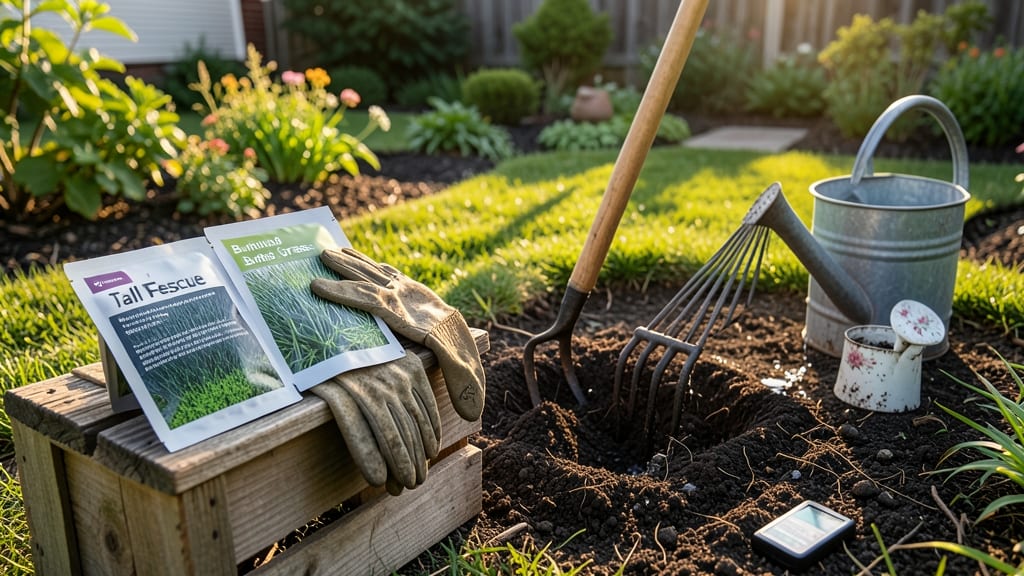
Planting grass seed in Oklahoma isn’t just about grabbing a bag and scattering it—timing is everything to avoid wasted effort and months of patchy lawn frustration.
Between Oklahoma’s sweltering summers and unpredictable rainfall, the difference between a lush, green lawn and a browned-out disappointment often comes down to when you plant. Cool-season grasses like fescue thrive in early fall, while warm-season varieties like Bermuda prefer late spring—so knowing the ideal window saves you from guesswork.
I’ll break down the best months based on soil temperatures, rainfall patterns, and Oklahoma’s unique climate zones. You’ll learn how to check soil warmth, align planting with natural moisture cycles, and avoid common mistakes that turn seed into dust.
Whether you’re in Oklahoma City or rural areas, these insights will help you plant with confidence—no more waiting for next year’s lawn.
Oklahoma’s ideal grass planting windows by soil temperature & season
Timing is everything when planting grass seed in Oklahoma, where soil temperatures and seasonal shifts dramatically impact success. Unlike cooler northern states, Oklahoma’s USDA Zones 6–8 create unique windows for cool-season and warm-season grasses.
Plant too early, and seedlings may rot from cold soil; too late, and summer heat stresses young roots. The key? Soil warmth between 60°F–75°F and aligning with Oklahoma’s rainfall patterns.
Most Oklahoma gardeners focus on two prime planting windows: early spring (March–April) and early fall (September–October).
However, the best choice depends on your grass type. Cool-season grasses like Tall Fescue and Kentucky Bluegrass thrive when planted in fall, while warm-season grasses such as Bermuda and Zoysia need spring planting. Let’s break down the specifics for each.
🌱 Soil temperature is your #1 guide. Use a soil thermometer (available for $10–$20) to check depths of 2–4 inches. For cool-season grasses, aim for 50°F–65°F; for warm-season, wait until 65°F–75°F. In Oklahoma City, this typically means mid-March to early April for spring and late August to mid-September for fall.
Oklahoma’s climate zones add another layer. Northern regions (like Zone 7) can plant 2–4 weeks earlier than southern areas (like Zone 8), where late frosts are rarer.
For example, Tulsa might see safe spring planting by mid-March, while Lawton could wait until late March to avoid late frost damage.
Here’s how to align your planting with Oklahoma’s seasonal rhythms. Spring planting benefits from spring rains, but summer heat arrives fast—so seed must germinate within 2–3 weeks.
Fall planting, meanwhile, avoids summer droughts and gives grass a head start before winter dormancy. Both strategies leverage Oklahoma’s moderate rainfall, but timing is critical.
🌡️ Pro Tip: If you miss the ideal window, oversowing (planting a second batch 4–6 weeks later) can salvage your lawn. Just adjust watering to match the new growth stage.
| Grass Type | Best Planting Window | Soil Temp Range | Oklahoma City Timeline | Key Consideration |
|---|---|---|---|---|
| Cool-Season (Tall Fescue, Kentucky Bluegrass) | Early Fall (Sept–Oct) | 50°F–65°F | Late Aug–Mid-Sept | Avoids summer heat; roots establish before winter. |
| Warm-Season (Bermuda, Zoysia, Buffalo Grass) | Late Spring (Apr–May) | 65°F–75°F | Mid-Apr–Early May | Summer dormancy risk if planted too late. |
| Transition Zone (Fine Fescue, Ryegrass) | Early Spring OR Late Fall | 55°F–60°F | Mid-Mar OR Late Oct | Flexible but avoid extreme heat/cold. |
*Timelines vary by 1–2 weeks based on microclimates (urban vs. rural).
Beyond soil temperature, Oklahoma’s rainfall patterns play a starring role. Spring planting in March–April often coincides with pre-summer showers, reducing your need for supplemental watering. However, summer droughts (common in June–July) can stress newly planted grass, so drought-resistant varieties like Buffalo Grass are ideal for southern Oklahoma.
For fall planting, aim for September when daytime highs drop to 80°F–85°F and nights cool to 60°F. This 60-day window before first frost (typically mid-November) gives grass time to germinate and establish roots. In Tulsa, for example, planting by September 15th ensures strong growth before winter.
If you’re unsure about your local frost dates, check the Oklahoma Mesonet or your USDA Plant Hardiness Zone Map. For most of Oklahoma, last frost dates range from mid-March (north) to early March (south), while first frost arrives between mid-November (north) and late November (south).
Plan accordingly!
One final tip: Test your soil 2–3 weeks before planting. Oklahoma’s clay-heavy soils (common
Rainfall timing & watering strategies for Oklahoma grass seed success
Oklahoma’s rainfall patterns change dramatically between seasons, making watering strategy just as critical as planting timing. The spring planting window (March–May) often aligns with Oklahoma’s wet season, but summer droughts can turn your new lawn into a crispy memory if you’re not prepared.
Conversely, fall planting (September–October) benefits from cooler temperatures and consistent rainfall, reducing the need for manual watering.
For Oklahoma City and Tulsa, where flash droughts are common, I recommend planting drought-resistant varieties like Tifway Bermuda or Buffalo Grass. These grasses thrive with less frequent watering once established, making them ideal for water-scarce periods.
Rural areas with clay-heavy soil may need extra attention to avoid waterlogging, while sandy soils dry out faster and require more frequent hydration.
One of my biggest lessons came from a late-spring planting in 2021, where a sudden heatwave turned my freshly seeded lawn into a crusty mess. I learned to monitor the National Weather Service’s drought outlook and adjust my watering schedule accordingly.
If you’re in western Oklahoma, where rainfall is scarcer, consider investing in a soaker hose system for even distribution.
For cool-season grasses like Tall Fescue, which is popular in northern Oklahoma, focus on fall planting when temperatures dip below 80°F and rainfall increases. These grasses go dormant in summer, so spring watering is minimal—just enough to revive growth after winter.
In contrast, warm-season grasses like Zoysia should be planted in late spring when soil temps stay above 65°F for consistent germination.
Pro tip: Use a soil moisture meter to check 1–2 inches below the surface—this tells you if your watering efforts are reaching the root zone.
If the soil is dry at this depth, increase frequency slightly, but never let water pool on the surface, which can drown seeds or invite weeds. Oklahoma’s unpredictable weather means flexibility is key, so keep a watering journal to track what works best for your yard.
Finally, don’t overlook the role of mulch. A ¼-inch layer of straw after planting can reduce water loss by 30% and keep seeds cool during hot afternoons. In Tulsa’s humid climate, this also helps prevent seed rot.
Pair this with a drip irrigation system for precision, and you’ll give your grass seed the best shot at thriving despite Oklahoma’s challenging growing conditions. 🌱