
Plants
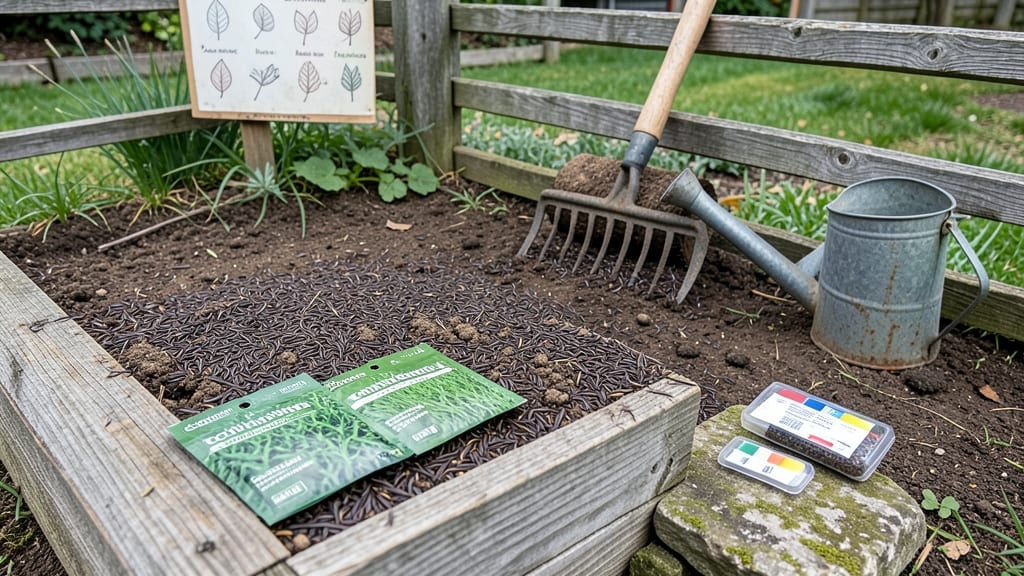
Optimal Massachusetts grass seed planting windows: late summer vs. early fall
Massachusetts gardeners know that timing is everything when planting grass seed. The ideal window for cool-season grasses like Kentucky Bluegrass and Tall Fescue is mid-August to early October. This 6-week period ensures seeds germinate before fall frost while avoiding summer’s scorching heat.
Late summer planting lets seeds establish roots before winter, giving them a head start in spring. Soil temperatures stay warm enough for germination (60-70°F) while nights begin cooling, reducing stress on young seedlings. This is why fall is the gold standard for lawn success in USDA Zones 5b-6b.
Early spring (March-April) is a secondary option, but risks include weed competition and drying winds that can stress tender sprouts. Spring planting also means watering more frequently to combat evaporation during warmer months. For best results, late summer/early fall wins every time.
Here’s how Massachusetts’ microclimates affect timing:
- Coastal areas (e.g., Cape Cod) can plant 1-2 weeks later due to milder winters.
- Inland regions (e.g., Worcester, Springfield) should plant earlier to avoid early frost.
- Northern MA (e.g., North Adams) may need to finish by late September.
🌱 Planting Window Comparison
| Factor | Late Summer (Aug-Sept) | Early Fall (Oct) | Early Spring (March-April) |
|---|---|---|---|
| Soil Temperature | 60-75°F (ideal) | 50-65°F (good) | 40-55°F (slow germination) |
| Rainfall | Moderate (natural moisture) | Higher (best for roots) | Low (requires irrigation) |
| Weed Competition | Low (weeds dormant) | Very Low | High (spring weeds active) |
| Frost Risk | Low (4-6 weeks before frost) | Moderate (2-3 weeks before frost) | None (early season) |
| Watering Needs | Moderate (evaporation lower) | Low (natural rain) | High (spring drought risk) |
For best germination, aim to plant when soil temps are between 60-70°F and nighttime temps stay above 50°F. Use a soil thermometer (available at garden centers) to monitor—this is non-negotiable for success in Massachusetts’ variable climate.
If you’re in Western MA, like the Berkshires, you might push planting to mid-October due to cooler microclimates. But Eastern MA (e.g., Boston suburbs) should finish by late September to avoid early frost. Always check
Optimal Massachusetts grass seed planting windows: late summer vs. early fall
Massachusetts gardeners know that timing is everything when planting grass seed. The best window spans from mid-August to early October, aligning with cool-season grasses like Kentucky Bluegrass and Fine Fescue. This period avoids the heat stress of summer while giving seeds time to establish before winter frost.
Early fall planting (September-October) is ideal because soil temperatures remain warm enough for germination, but daytime heat has subsided. USDA Zones 5b-6b in Massachusetts experience first frost between mid-October and early November, so aim to plant 4-6 weeks before that date to ensure roots develop.
Soil temperatures should be between 60°F and 75°F for optimal germination. Late summer (August) can still work if you're in cooler microclimates, like higher elevations or shaded areas, but early fall is the safest bet for most of the state.
Here’s how Massachusetts’ climate zones influence timing:
- Western MA (Zone 5b): Plant by September 15 to avoid early frost.
- Central MA (Zone 6a): Mid-August to October 1 is ideal.
- Eastern MA (Zone 6b): Can extend to early October safely.
| Planting Window | Soil Temp (°F) | Rainfall Needs | Frost Risk |
|---|---|---|---|
| Mid-August | 65-75°F | Moderate (1-1.5" weekly) | Low (if planted early) |
| September | 60-70°F | High (1.5-2" weekly) | Moderate (late Sept.) |
| Early October | 55-65°F | Moderate (1-1.5" weekly) | High (risk after Oct. 10) |
Avoid planting in late October or November, as cool soil temperatures slow germination, and seeds may not establish before winter dormancy. Early spring (March-April) is a secondary window but requires more watering attention to prevent drought stress during germination.
Check your local 7-day weather forecast before planting. Aim for consistent rainfall or schedule irrigation to keep soil evenly moist (not soggy) for the first 3-4 weeks. Morning watering is best to reduce evaporation and fungal risks.