
Planting
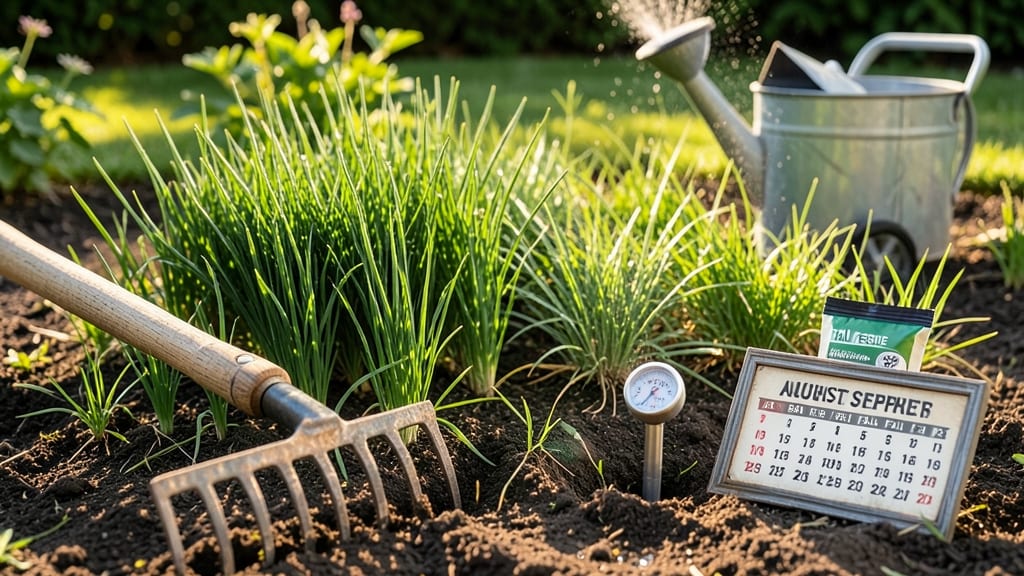
When is it too late to plant grass seed in Kentucky? If you’ve missed the ideal window, your Kentucky Bluegrass lawn might turn into a soggy mess—but there’s still a chance to salvage it with the right moves. The last-minute deadline isn’t set by a calendar date but by soil temperature, and hitting 50°F for 4+ weeks is your golden rule.
Most gardeners in Kentucky’s 6a-7a zones assume late summer is the cutoff, but Northern Kentucky’s cooler microclimates may push that window into early October. Meanwhile, Southern Kentucky’s warmer pockets could stretch it to November—if you’re willing to gamble on winter survival.
Here’s the catch: planting too late means slower germination, weaker roots, and a higher chance of winterkill. But with the right adjustments—like choosing cold-hardy seed varieties and amending your soil—you can still salvage your lawn before frost locks things down.
Let’s break down the exact deadlines by region, how to tell if you’ve missed the boat, and what to do if you’re still in the game. Spoiler: it’s not too late until it’s too late.
Kentucky’s last grass seed planting deadline by soil temperature (2024 guide)
Kentucky’s cool-season climate (USDA Zones 6a-7a) creates a narrow window for planting grass seed. The ideal soil temperature for germination is 50°F or warmer—but how late can you push it?
In Kentucky, the last safe planting deadline depends on whether you’re in northern or southern regions, with soil temperature being the critical factor.
For most of Kentucky, the absolute last date to plant cool-season grass seed like Kentucky Bluegrass is mid-October. This aligns with the 4-week soil temperature rule: seeds need 4+ weeks of 50°F+ soil to establish roots before winter dormancy.
After mid-October, frost risk increases, and young seedlings won’t have time to harden off.
Southern Kentucky (e.g., Bowling Green, Hopkinsville) can extend planting slightly later—up to late October—due to warmer microclimates and delayed frost. Northern areas (e.g., Lexington, Louisville) should aim for early to mid-October to avoid winter kill.
Always check your last frost date (typically mid-October) and plant 6 weeks before.
| Region | Last Safe Planting Date | Soil Temp Requirement | Risk Level |
|---|---|---|---|
| Northern KY (e.g., Louisville, Lexington) | Mid-October | 50°F+ for 4 weeks | High (early frost) |
| Central KY (e.g., Frankfort, Bowling Green) | Late October | 50°F+ for 3-4 weeks | Moderate |
| Southern KY (e.g., Paducah, Hopkinsville) | Early November (rarely) | 50°F+ for 3 weeks | Low (warmer microclimate) |
To track soil temperature in real time, use the USDA Plant Hardiness Zone Map or local agricultural extension services. For example, the University of Kentucky Extension provides free soil thermometer guides and historical data.
Insert a soil probe 4 inches deep—this is where seeds germinate—and monitor daily. If temperatures dip below 40°F at night, germination slows dramatically.
If you’re planting in late September or October, prioritize fast-germinating varieties like Tall Fescue or Fine Fescue, which tolerate cooler soils better than Kentucky Bluegrass.
These grasses can establish in 10-14 days versus 21+ days for slower varieties. Pair them with a starter fertilizer (high in phosphorus) to boost root growth before winter.
Kentucky’s humidity and rainfall also play a role. Late-season plantings benefit from light mulching (e.g., straw or peat moss) to retain moisture and insulate seeds. Avoid heavy mulch, which can smother sprouts.
Water deeply in the morning (1 inch per week) to prevent fungal diseases like Rhizoctonia, common in Kentucky’s damp fall air.
For those who miss the deadline entirely, spring planting (late February to early April) is your next best option. However, late fall plantings can still succeed with proper soil prep: till the area to 6 inches deep, remove weeds, and amend with compost to improve drainage.
The key is timing + soil conditions—not just the calendar date.
Pro tip: If you’re unsure about your local frost dates, use the Old Farmer’s Almanac or NOAA Climate Data for your county. For example, Lexington’s average first frost is October 15, while Paducah’s is October 25.
Planting 6 weeks before these dates ensures your grass has time to establish before winter dormancy.
Remember, Kentucky’s climate is unpredictable. A late September planting might thrive one year but fail the next due to an early frost. When in doubt, test your soil temperature and adjust your timeline accordingly.
With the right preparation, you can still grow a lush lawn—even if you’re planting at the last minute! 🌱
How to revive late-season grass planting: 3 critical adjustments for Kentucky’s humid climate
If you’ve missed Kentucky’s ideal spring planting window (March-April), don’t panic—late-season grass seed can still thrive with the right adjustments. Kentucky’s humid climate and variable rainfall demand special care to prevent fungal diseases and poor germination.
The key lies in seed selection, soil preparation, and watering strategies tailored to your region.
For Northern Kentucky (USDA Zone 6a), the last viable window stretches to mid-September, while Southern Kentucky (Zone 7a) can push planting until early October. After that, seeds struggle to establish roots before winter dormancy.
But with these 3 critical adjustments, you can still salvage your lawn—just expect slower initial growth and potential winter stress.
🌱 Critical Adjustments for Late Planting
- ✅ Use cool-season blends (e.g., Kentucky Bluegrass + Fescue) for fall resilience—they tolerate 50°F soil temps better than warm-season grasses.
- ✅ Amend soil with peat moss (20% mix) to improve drainage and reduce fungal risks from Kentucky’s humidity.
- ✅ Water deeply 2x/day (morning + evening) for first 2 weeks, then taper to 1 inch weekly—avoid overhead sprinklers to prevent disease.
Your seed selection makes all the difference. Cool-season grasses like Tall Fescue or Fine Fescue are hardier for late plantings—they germinate faster in 55–65°F soil and resist Kentucky’s summer heat better than Kentucky Bluegrass alone. Pro tip: Look for “fall transition” blends labeled for September–October planting.
Kentucky’s clay-heavy soils and high humidity create the perfect storm for fungal diseases like Rhizoctonia when planting late. To combat this, mix compost (3 inches) into your topsoil before seeding. This improves aeration and introduces beneficial microbes that outcompete pathogens.
For compacted areas, rent a core aerator to create 1/2-inch deep holes every 3 inches—this ensures seed-to-soil contact and root penetration.
Watering is where most late plantings fail. Overwatering suffocates seeds, while underwatering causes desiccation. Use a rain gauge to track 1 inch of water weekly, delivered in short, frequent bursts (e.g., 15 minutes every 2 hours for the first week).
In Kentucky’s humid summers, water in the early morning (before 8 AM) to let foliage dry quickly and reduce fungal spores. Avoid evening watering—wet grass overnight invites disease.
Finally, mulch lightly with straw (not wood chips) to retain moisture and regulate soil temps. A 1/4-inch layer keeps seeds cool in hot afternoons and prevents crusting from heavy rains.
Monitor your lawn daily: if seeds don’t sprout within 14 days, rewater and check for poor soil contact or fungal discoloration. With these adjustments, you can still achieve 70–80% germination—not ideal, but better than a bare patch!