
Plants
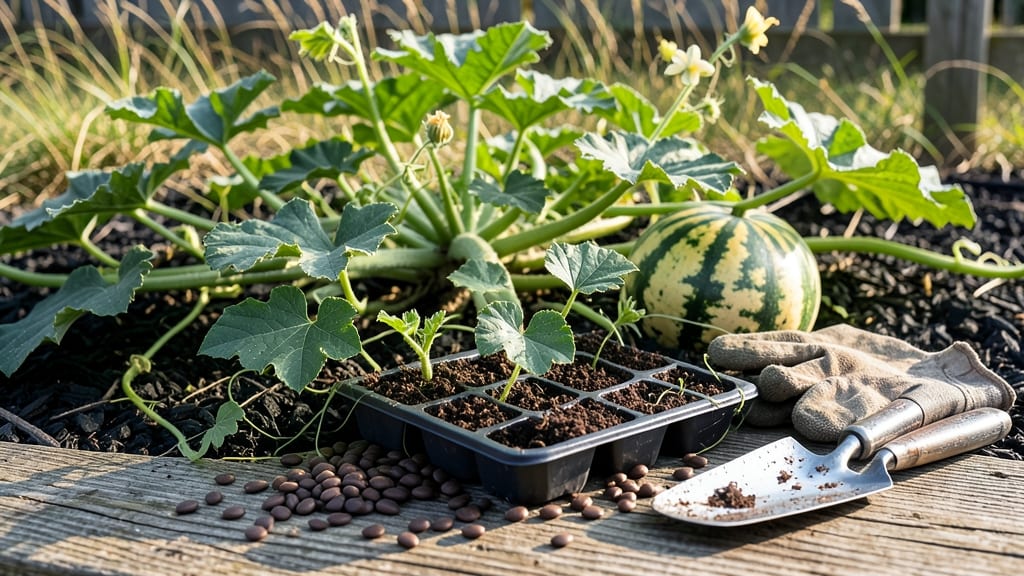
Planting watermelon seeds in California at the right time can mean the difference between a bountiful harvest and wasted effort. With fast germination and thriving vines, timing your seeds based on soil temperature and regional climate is key—especially in Zone 10 where frost isn’t a concern but heat can be.
Unlike other crops, watermelons (🍉) demand warmth to sprout quickly, and planting too early can leave them struggling in cooler soil. I’ll show you exactly when to start seeds indoors or sow directly outdoors for optimal growth, so you can enjoy sweet, juicy fruit by summer.
California’s varied microclimates mean planting windows shift from Southern regions like Riverside to Northern areas like Sacramento. Whether you’re a first-time gardener or a seasoned pro, knowing the ideal soil temperature and regional cues will help you avoid common pitfalls like slow sprouting or heat stress.
Ready to grow watermelons that outperform the rest? Let’s dive into the best planting strategies tailored for California’s unique conditions—so you can start strong and harvest big.
Optimal soil temperature for planting watermelon seeds in California
Watermelon seeds in California thrive when planted in soil that’s warmed to the right temperature—70-90°F (21-32°C) is the sweet spot for fast germination. Unlike frost-sensitive crops, watermelons love heat, but planting too early in cool soil can stall sprouting for weeks.
In Southern California, soil often hits these temps by late February, while Northern zones may wait until April.
To test your soil temperature, use a soil thermometer buried 2 inches deep. If it reads below 70°F, wait—watermelon seeds won’t germinate well in cooler conditions. Black plastic mulch can speed up warming by 5-10°F in just a few days, making it a game-changer for early plantings.
For indoor starts, begin seeds 4-6 weeks before your last frost date (though CA’s frost-free zones mean timing is more about heat). Use a heat mat to maintain 80-85°F soil temps for consistent sprouting. Seedlings can then be transplanted outdoors once nighttime temps stay above 55°F (13°C).
Direct sowing outdoors is ideal for CA’s long growing season. In Southern CA (Zones 9-11), you can plant as early as February, while Central and Northern CA (Zones 7-8) should wait until late April. The key is ensuring the soil stays warm enough to avoid rot or slow germination.
Here’s how soil temperature affects germination speed:
- 70°F (21°C): Sprouts in 7-10 days
- 80°F (27°C): Sprouts in 3-5 days
- 90°F+ (32°C+): Sprouts in 2-3 days (but risks drying out)
| Soil Temp (°F/°C) | Germination Time | CA Planting Window | Pro Tip |
|---|---|---|---|
| 70°F (21°C) | 7-10 days | Late March - April (Northern CA) | Use black plastic mulch to warm soil faster |
| 80°F (27°C) | 3-5 days | February - March (Southern CA) | Direct sow after last frost (none in most of CA) |
| 90°F+ (32°C+) | 2-3 days | May - June (summer planting) | Water deeply to prevent seed desiccation |
If you’re in Northern CA, like the Sacramento Valley, aim for mid-April plantings to avoid cool spring nights, which can stress young seedlings.
In Southern CA, like Riverside or Bakersfield, you can plant as early as February—just monitor soil temps closely to avoid overwatering in warm conditions.
For fall plantings, watermelons can also be sown in September-October for a winter harvest in milder zones. However, avoid planting too late—vines need 60-90 days to mature, and cool nights below 60°F (15°C) can stunt growth.
One common mistake is planting in sandy or alkaline soil, which drains too quickly or lacks nutrients. Amend with compost or aged manure before planting to improve moisture retention and fertility. Watermelons are heavy feeders, so rich soil is non-negotiable for sweet, juicy fruit.
Pro tip: If your soil is slow to warm, try raised beds with compost-filled bottom layers. They heat up faster than in-ground soil and give you more control over moisture levels. Just ensure the bed has good drainage to prevent root rot.
🌱
Optimal soil temperature for planting watermelon seeds in California
Watermelon seeds (🍉) need warmth to germinate quickly, and California’s varied microclimates mean soil temperatures fluctuate dramatically. The ideal soil temperature range for planting is between 70-90°F (21-32°C). Below 70°F, germination slows drastically, while above 90°F, seeds may rot or fail to sprout at all.
In California’s Zone 10, where frost is rare, timing your planting to match these temperatures is critical for fast, healthy growth.
Unlike cooler climates, you don’t need to wait for frost-free dates in most of California—just monitor soil temperature. Use a soil thermometer (available at garden centers) to check depths of 2-4 inches, where seeds will be planted.
For direct sowing outdoors, aim for soil temps consistently above 70°F. In Southern California (e.g., Riverside, Bakersfield), this often means planting as early as February or March, while Northern regions (e.g., Sacramento, Bay Area) may wait until April or May.
If your soil isn’t warm enough yet, consider starting seeds indoors 4-6 weeks before your target outdoor planting date. Use a heat mat or place seed trays on top of your refrigerator (the warm motor provides gentle heat).
Seedlings will be ready to transplant when soil temps hit 70°F and nighttime temps stay above 55°F. This head start ensures your watermelons don’t lag behind the season’s heat.
| Condition | Specification | Action |
|---|---|---|
| Soil Temperature (Direct Sow) | 70-90°F (21-32°C) | Plant when consistently warm for 1 week |
| Indoor Start Temp | 75-85°F (24-29°C) | Use heat mat or warm location |
| Nighttime Temp (Post-Transplant) | Above 55°F (13°C) | Avoid chilly evenings that stunt growth |
| Southern CA (Riverside, Bakersfield) | Plant by March 15 | Soil warms early; harvest by summer |
| Northern CA (Sacramento, Bay Area) | Plant by April 15 | Wait for stable 70°F+ soil temps |
Heat tolerance is another key factor in California’s summer. Once seedlings emerge, they thrive in full sun (8+ hours daily) and high temperatures. However, extreme heat above 95°F can stress young plants, causing blossom drop or poor fruit set.
To mitigate this, use shade cloth (30-50%) during the hottest part of the day (12-3 PM) until vines establish a strong root system. Mulching with straw or black plastic also helps regulate soil temperature and retain moisture, which is critical in California’s dry spells.
For fall planting (a great option in cooler Northern regions), aim to sow seeds in September or early October so they mature before winter rains arrive. Soil temperatures will naturally drop, but seeds still need to reach 70°F to germinate.
If your fall soil is too cool, opt for fast-maturing varieties like ‘Sugar Baby’ or ‘Crenshaw,’ which can complete their lifecycle in as few as 60 days.
Pro tip: If you’re in a high-desert area (e.g., Palm Springs, Joshua Tree), soil can heat up rapidly. Test temperatures in the late afternoon—if it’s above 95°F at the surface, wait a few days before planting to avoid seed damage.
Patience here pays off with stronger, more resilient vines ready to handle California’s intense summer sun.