
Plants
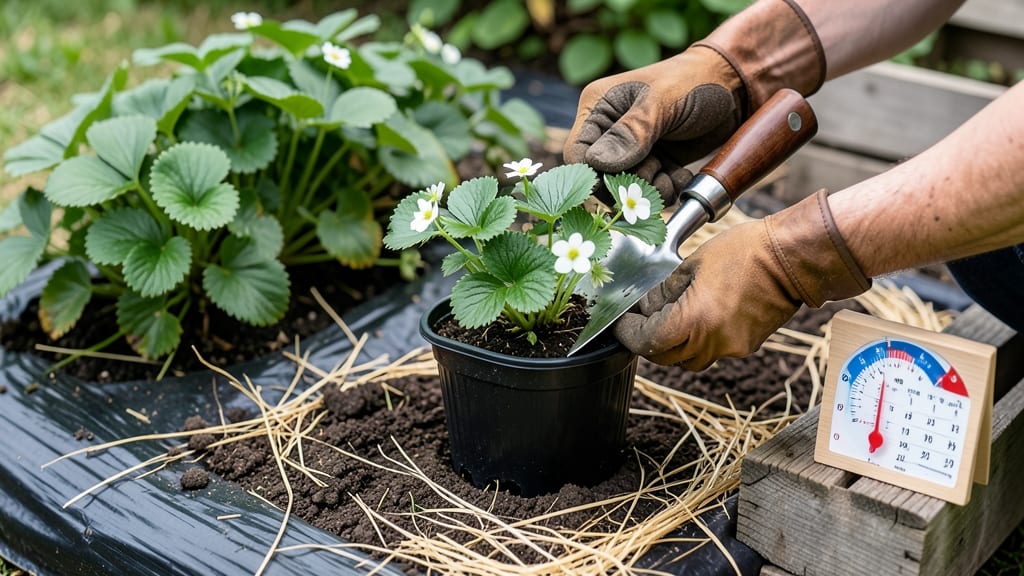
Planting strawberries at the wrong time in Zone 7 can turn your dream harvest into a disappointing flop—but getting the timing right transforms those tiny green plants into a summer-long supply of sweet 🍓 treats.
Zone 7's mild climate gives you two prime windows to plant: early spring or late summer. Each offers unique advantages, and choosing the wrong one could mean struggling with frost damage or poor root establishment. The key is understanding how your local microclimate plays into these timelines.
I've tested both approaches over several seasons, and the difference in yield and plant health is dramatic. Whether you're a first-time gardener or a seasoned grower, knowing exactly when to plant—and how to prepare your soil—will set you up for strawberries that are bigger, sweeter, and more abundant than ever.
Let's break down the best planting schedule for Zone 7, so you can avoid common mistakes and maximize your harvest from June through July. Your future strawberry jam—or fresh snacks—will thank you!
Optimal strawberry planting timeline in Zone 7: spring vs fall planting guide
Zone 7 gardeners enjoy a longer growing season than northern zones, but strawberries still need precise timing to thrive. The best windows are early spring (March-April) or late summer (July-August). Both approaches work well, but each offers distinct advantages for your Zone 7 harvest.
Spring planting lets you harvest earlier in the season, while fall planting establishes roots before winter and produces heavier yields the following year. The key is avoiding late frosts (March 15 average) and early frosts (November 15 average) that can damage tender new growth.
For bare-root plants, soil temperatures should reach 40°F (4°C) consistently. For potted strawberries, you can plant slightly earlier since containers warm faster. Coastal areas may have earlier planting dates (February-March) due to milder microclimates.
Here’s how the two planting strategies compare for Zone 7 success:
| Factor | Spring Planting (March-April) | Fall Planting (July-August) |
|---|---|---|
| Best Soil Temp | 40-50°F (4-10°C) | 50-60°F (10-15°C) |
| Harvest Window | June-July (same year) | June-July (next year) |
| Frost Risk | Moderate (late frosts) | Low (established roots) |
| Yield Potential | Moderate (first-year plants) | High (strong root system) |
| Best Varieties | June-bearing (e.g., 'Chandler') | Ever-bearing (e.g., 'Seascape') |
| Prep Time | High (soil prep + frost watch) | Moderate (focus on root establishment) |
For spring planting, aim to get strawberries in the ground by mid-April to avoid late frosts. Use row covers if temperatures dip below 28°F (-2°C) after planting. In coastal Zone 7 (e.g., North Carolina coast), you can plant as early as February thanks to milder winters.
Fall planting is ideal for ever-bearing varieties like 'Seascape' or 'Tristar'. Plant in late July to early August so roots establish before winter. Mulch heavily with straw or leaves to protect crowns during Zone 7 winters, which rarely drop below 10°F (-12°C).
Both methods work, but fall planting often yields better results in Zone 7 because established plants handle winter better. If you choose spring planting, prioritize early-maturing varieties like 'Chandler' or 'Jewel' to maximize your harvest before summer heat sets in.
Pro tip: Test your soil’s pH (5.5-6.8 ideal) before planting. Strawberries need well-draining soil rich in organic matter. Amend with compost or peat moss if your soil is heavy clay, which is common in Piedmont Zone 7 regions.
🌱
Key factors that determine the best planting time for Zone 7 strawberries
Understanding Zone 7’s unique climate is key to choosing the right planting window for strawberries. Unlike colder zones, Zone 7 offers a longer growing season with mild winters and hot summers, which influences when you should plant.
The last frost date (around March 15) and first frost date (around November 15) are your two critical benchmarks. These dates help you avoid frost damage while maximizing the plant’s ability to establish roots and produce fruit.
Another critical factor is soil temperature. Strawberries prefer soil that’s at least 40°F (4°C) for planting. In Zone 7, this typically happens in early spring (March-April) or late summer (July-August).
If you plant too early, cold soil can stunt root growth, while planting too late in summer risks exposing young plants to fall frosts before they’ve had time to harden off. Balancing these factors ensures your strawberries get a strong start.
Daylight hours also play a role in strawberry growth. Strawberries thrive in 6-10 hours of sunlight daily, and planting in early spring gives them enough daylight to establish roots before summer heat sets in.
Conversely, fall plantings benefit from longer daylight in late summer, which helps them grow stronger before winter dormancy. If you’re planting in July or August, choose June-bearing varieties that can mature quickly or everbearing/day-neutral varieties for extended harvests.
Don’t overlook microclimate variations in Zone 7. Coastal areas (like Outer Banks, NC) may have milder winters, while inland regions (like Piedmont, VA) can experience earlier frosts. Check your local USDA Plant Hardiness Zone map and ask neighbors with successful strawberry patches for insights.
Adjust your planting timeline by 1-2 weeks earlier or later based on your specific location’s frost patterns.
Finally, consider your strawberry variety type. June-bearing varieties (like Jewel or Chandler) produce one large harvest in early summer and benefit from spring planting. Everbearing varieties (like Ozark Beauty) and day-neutral varieties (like Seascape) produce fruit throughout the season and can handle fall plantings better.
Match your variety to your planting window for the best results.
With these factors in mind, you’re ready to make an informed decision about whether spring or fall planting is best for your Zone 7 garden. The next step? Preparing your soil and choosing the right location to give your strawberries the perfect start.
🌱