
Plants
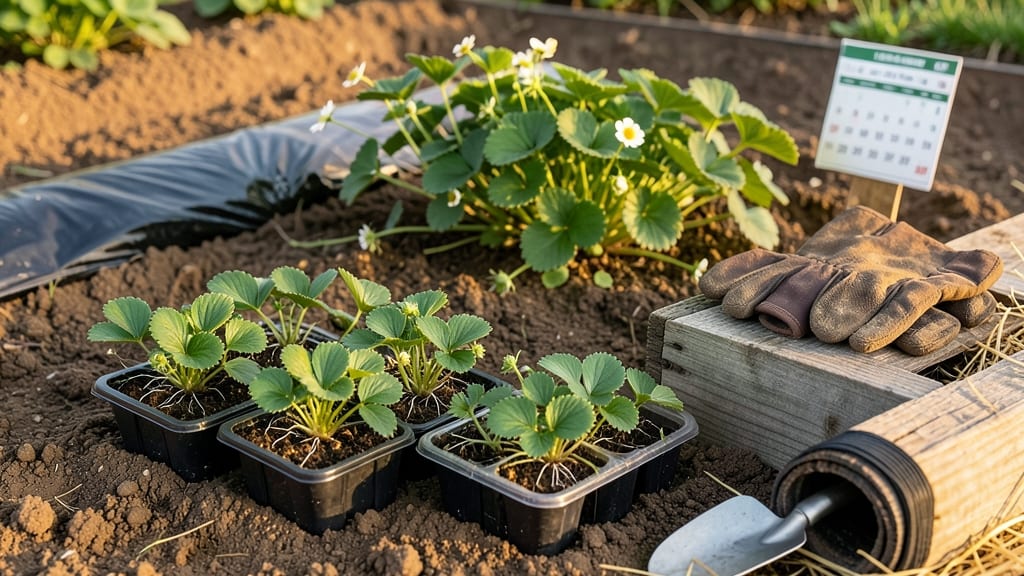
Planting strawberries in Missouri at the wrong time can mean the difference between a bountiful harvest and wasted effort. Whether you're growing June-bearing varieties for summer treats or everbearing types for extended yields, timing is everything—and Missouri's 5b-6b climate demands precision.
Most gardeners in Missouri know the two ideal windows: early spring (March-April) and fall (August-September). But here's the catch—planting too early risks frost damage, while waiting too long exposes young plants to pests or heat stress.
I'll show you exactly when to plant based on your region, soil temperature, and variety type.
Let's break down the science behind Missouri's planting calendar, including how to prepare your soil and choose between bare-root or potted plants. You'll discover why some gardeners swear by fall planting for bigger yields, while others prefer the predictability of spring.
By the end, you'll know the best strategy for your specific location—whether you're in St. Louis, Kansas City, or rural areas—so you can enjoy sweet, homegrown strawberries year after year.
Missouri strawberry planting calendar: best months for spring vs fall success
Missouri’s variable climate makes strawberry planting a balancing act between frost risk and soil warmth. The ideal window spans March–April for spring and August–September for fall, but exact timing depends on your USDA Zone (5b–6b) and local microclimates.
In northern Missouri (Zone 5b), wait until after the last frost (typically mid-April), while southern Missouri (Zone 6b) can start as early as late February.
Soil temperature is your best indicator—strawberries thrive when soil reaches 40°F (4°C) for root growth and 50°F (10°C) for active planting. Use a soil thermometer to confirm readiness, especially in cool springs like 2022’s late frost in Kansas City.
Fall planting works best when soil stays above 55°F (13°C) for 4–6 weeks post-planting to establish roots before winter.
Missouri’s regional differences matter: St. Louis (Zone 6a) can push spring planting to late February, while rural areas near the Ozarks may need to wait until mid-April due to colder nights. Always check local frost records—the Missouri State Climate Center tracks last frost dates by county.
For June-bearing varieties (like Jewel or Honeoye), spring planting aligns harvests with June–July, while everbearing varieties (e.g., Seascape) produce two crops—spring and fall—if planted in early summer. Fall-planted everbearers yield smaller berries but extend harvest into October.
🌱Pro Tip: Use black plastic mulch in spring to warm soil faster and suppress weeds, or straw mulch in fall to insulate roots during winter.
📅 Missouri Strawberry Planting Timeline Comparison
| Season | Best Planting Month | Soil Temp Requirement | Frost Risk | Harvest Window |
|---|---|---|---|---|
| Spring | March–April | 40–50°F (4–10°C) | High (wait for last frost) | June–July |
| Fall | August–September | 55°F+ (13°C+) for 4+ weeks | Low (roots establish before freeze) | September–October (everbearing) |
| Spring (Everbearing) | April–May | 45°F+ (7°C+) | Moderate (plant after frost) | June + September |
🌡️ Note: Adjust for microclimates—urban areas (e.g., Columbia) warm faster than rural zones.
Missouri’s fall planting shines for everbearing varieties because cooler temps reduce bolting (premature flowering) and extend harvest into autumn. However, June-bearing types planted in fall may flower the next spring but yield smaller berries due to limited root growth before winter.
If you’re in Zone 5b, aim for late August fall planting to give roots 6–8 weeks to establish. In Zone 6b, you can push it to early October, but avoid planting after September 15—roots won’t harden off in time for winter.
Always mulch heavily with straw or leaves (4–6 inches) to protect crowns from freeze-thaw cycles.
🌿Missouri-Specific Hack: Plant bare-root strawberries in late winter (February) but keep them in cold storage until soil warms. This jump-starts growth once temps rise, giving you a 3–4 week head start on spring-planted berries.
For container gardening in Missouri, spring planting works best—pots heat up faster and dry out quicker, making fall planting risky. Use large containers (12"+ deep) with well-draining mix and move pots to shade during July–August heatwaves to prevent fruit scorch.
📋Final Checklist Before Planting:
- Test soil pH (5.5–6.8)—amend with lime or sulfur if needed.
- Choose disease-resistant varieties like Chandler (June-bearing) or Albion (everbearing) for Missouri’s humid summers.
- Space plants 18–24 inches apart in raised beds for better air circulation and pest control.
Spring vs fall strawberry planting: which strategy works best for Missouri’s climate?
Missouri’s variable climate makes choosing between spring and fall planting a game-changer for your strawberry patch. Both seasons offer unique advantages, but the right choice depends on your variety, location, and patience level.
Let’s break down which strategy aligns best with Missouri’s USDA Zones 5b-6b and your gardening goals.
Spring planting (March–April) is the classic approach, favored for its longer growing season and higher yields in Missouri’s June-bearing varieties. These strawberries produce 80% of their fruit in one harvest window—perfect for canning or fresh eating.
However, spring-planted berries require vigilant frost protection until late April, especially in northern Missouri.
Fall planting (August–September) offers a backdoor to summer harvests, especially for everbearing or day-neutral varieties. These plants establish roots in fall, then fruit earlier the following season (September–October) while avoiding spring’s late frost risks. Fall-planted strawberries also maturity faster in Missouri’s heat, producing smaller but earlier yields—ideal for extending your harvest window.
- Higher yields (June-bearing varieties)
- Longer harvest window (June–July)
- Easier soil prep (warmer temps)
- Frost risk (late April)
- Slower establishment (needs summer to root)
- Pest pressure (aphids, slugs in spring)
- Avoids frost (roots establish before winter)
- Earlier harvest (September–October next year)
- Better for everbearing varieties
- Smaller first-year yields
- Requires winter protection (mulch, row covers)
- Limited variety choices (best for day-neutral)
For Missouri gardeners, fall planting shines in southern regions (like St. Louis) where winters are milder.
Here, strawberries can overwinter with minimal protection, while northern areas (Kansas City) benefit more from spring planting to avoid harsh winters. Everbearing varieties like ‘Albion’ or ‘Seascape’ thrive in fall plantings, producing two harvests per year—one in summer and another in fall.
If you’re new to strawberry growing, start with spring-planted June-bearing varieties like ‘Jewel’ or ‘Chandler’. These are hardier and more forgiving for Missouri’s unpredictable springs.
For experienced gardeners seeking extended harvests, mix both strategies: plant June-bearing in spring and everbearing in fall for a continuous berry supply from June to October.
Regardless of your choice, mulching is non-negotiable in Missouri. Use 4–6 inches of straw or leaves to insulate roots, retain moisture, and suppress weeds. In fall, add a thick layer before first frost to protect tender new growth.
With the right timing and care, your strawberries will thrive year after year—no matter when you plant them. 🍓