
Plants
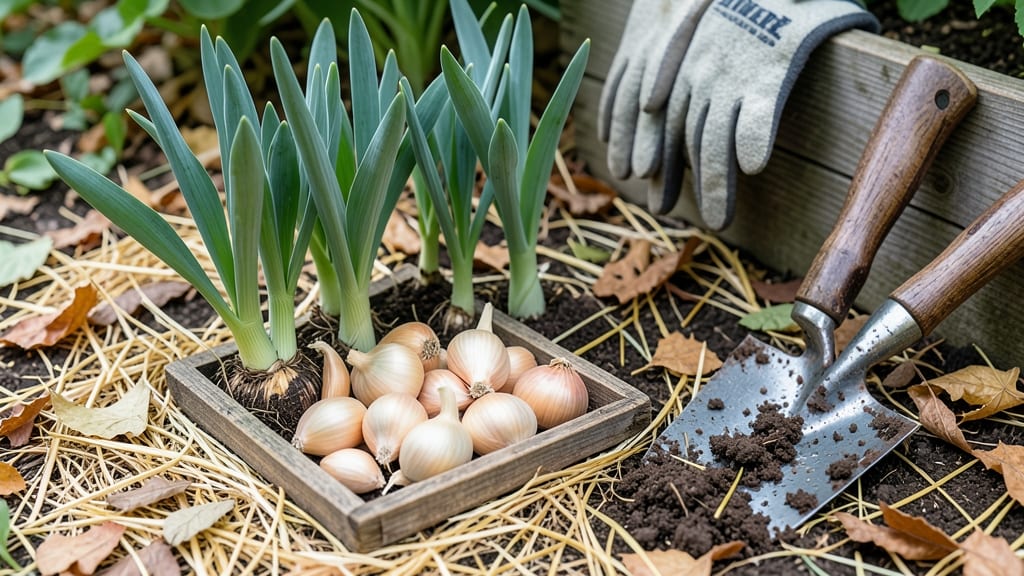
Planting garlic at the wrong time in Alabama can turn your 🧄 dreams into disappointment—but getting the timing right means plump bulbs by spring. In zones 7b-8a, the secret lies in when you plant: too early, and the cloves rot; too late, and they won’t mature properly.
Most Alabama gardeners swear by fall planting, between October and November, when soil temperatures drop and frost looms. This gives garlic the 60-90 days of cold dormancy it craves before spring growth kicks in.
But hardneck and softneck varieties have slightly different sweet spots—one thrives with early planting, while the other can stretch into December.
Why does this matter? Because Alabama’s unpredictable winters—from chilly 7b highlands to milder 8a lowlands—mean your neighbors’ success stories might not apply to your yard. We’ll break down the exact windows for each variety and how to adjust for your microclimate.
Skip the guesswork and learn how to time your planting for bigger bulbs, fewer pests, and a harvest ready by April or May. Let’s get your garlic off to the right start.
Best planting times for garlic in Alabama by variety (hardneck vs softneck)
Alabama’s USDA zones 7-8 create unique challenges for garlic growers, but timing your planting correctly ensures strong bulb development. Unlike many crops, garlic thrives when planted in fall—not spring—so understanding the differences between hardneck and softneck varieties is key to success in the Yellowhammer State.
In Alabama, hardneck garlic (like 'Music' or 'German White') must be planted between mid-October and early November to establish roots before winter. This timing allows bulbs to dormantize properly and break dormancy in early spring.
Meanwhile, softneck varieties (like 'Silverskin' or 'Artichoke') offer a slightly wider window—October through February—but still benefit from early fall planting for best results.
Here’s why timing matters: Garlic needs 60-80 days of cold temperatures (40°F or below) to form bulbs. Alabama’s first frost typically arrives November 15, so planting too late risks stunted growth or no bulb formation at all.
Conversely, planting too early (before soil temps drop below 70°F) can lead to rot or weak root development.
I’ve seen many Alabama gardeners struggle with garlic planted in spring—it simply won’t produce the same quality bulbs. The fall dormancy period is non-negotiable for optimal flavor and size.
For example, in Huntsville (Zone 7b), I recommend planting hardneck garlic by October 20, while in Mobile (Zone 8a), you might extend planting until December 1 due to milder winters.
| Variety Type | Best Planting Window (Alabama) | Key Climate Requirement | Bulb Maturity Time |
|---|---|---|---|
| Hardneck (e.g., 'Music', 'German White') | Mid-October to early November | 60-80 days below 40°F | 240-300 days |
| Softneck (e.g., 'Silverskin', 'Artichoke') | October through February | 40-60 days below 50°F | 270-365 days |
| Both Types | Soil temp: 50-70°F at planting | Well-draining, fertile soil | Full sun (6+ hours/day) |
⚠️ Pro Tip: Use a soil thermometer to confirm temps—ideal planting soil should be 50-70°F.
Alabama’s variable microclimates mean your exact planting date may shift slightly. For instance, mountain regions like Madison County often experience earlier frosts, while coastal areas like Baldwin County can delay planting until late November.
Pay attention to your local last frost date—aim to plant 4-6 weeks before ground freezes to give garlic time to establish roots.
Another critical factor is soil preparation. Alabama’s clay-heavy soils often need amendments like compost or sand to improve drainage. I always test my soil’s pH (ideal range: 6.0-7.0) and add aged compost before planting.
Poor soil prep can lead to rotten cloves or stunted growth, even with perfect timing.
For gardeners in Zone 8a (southern Alabama), you might push softneck garlic planting into January, but hardnecks planted after December 15 risk poor bulb development. The key is balancing cold exposure with winter rainfall—too much moisture can cause rot, while too little stunts growth.
Mulching with straw or leaves helps regulate soil temps and moisture.
If you’re new to growing garlic, start with hardneck varieties—they’re more forgiving in Alabama’s climate and produce flavorful scapes (the curly green shoots) that many gardeners love. For longer storage, softnecks are better, but they require precise timing to avoid bolting (premature flowering) in Alabama’s warm winters.
Remember: The earlier you plant, the larger your bulbs will be. In my Alabama garden, garlic planted by October 15 consistently produces 3-4 times larger bulbs
Best planting times for garlic in Alabama by variety (hardneck vs softneck)
Alabama gardeners have a 6-week window to plant garlic for optimal results, but the best timing depends on whether you're growing hardneck or softneck varieties.
Since Alabama spans USDA zones 7b-8a, your exact planting date may shift slightly north-to-south, but the core principle remains: plant garlic 4-6 weeks before the first hard frost.
For most of Alabama, this means mid-October through early November is prime time. Hardneck varieties like 'Music' or 'German White' thrive when planted early in this window, while softneck types like 'Silverskin' or 'Artichoke' can handle slightly later dates.
The key is ensuring bulbs establish roots before winter dormancy sets in.
Why timing matters: Garlic needs 60-90 days of cold temperatures (40-50°F) to form bulbs properly. Plant too late, and you'll miss this critical vernalization period. Plant too early, and your crop may bolt prematurely in Alabama's mild winters.
🧄 Garlic Planting Timeline Comparison
| Variety | Best Planting Window | Key Consideration | Last Chance Date |
|---|---|---|---|
| Hardneck (e.g., 'Music', 'German White') | Mid-October - Early November | Needs full cold period for scapes | November 15 (before hard frost) |
| Softneck (e.g., 'Silverskin', 'Artichoke') | October - December | More flexible; tolerates milder winters | December 15 (before ground freezes) |
| Both Types | September (early prep) | Clove separation & soil prep | N/A |
🌡️ Pro Tip: Check your local first frost date (typically November 15 in Alabama) and count backward 6 weeks.
Northern Alabama gardeners in zones 7a-7b (like Huntsville or Decatur) should plant earlier in October to ensure bulbs experience adequate cold. Meanwhile, those in zone 8a (Mobile, Dothan) have until early November without risking missed dormancy. Soil temperature is your best guide: aim for 50-60°F at planting time.
One Alabama-specific hack: if you're in a warmer microclimate (like urban Birmingham), plant garlic in containers and move them to a cooler spot during winter. This extends your planting window into early December while still meeting cold requirements. Just ensure containers have drainage to prevent waterlogged roots.
Remember: garlic planted in spring (March-April) will produce smaller bulbs with less flavor, so fall planting is always preferred. If you miss the fall window, you can try a late-winter planting (February), but yields will be significantly reduced. Prioritize that October-November window for the best results!