
Companion Plants
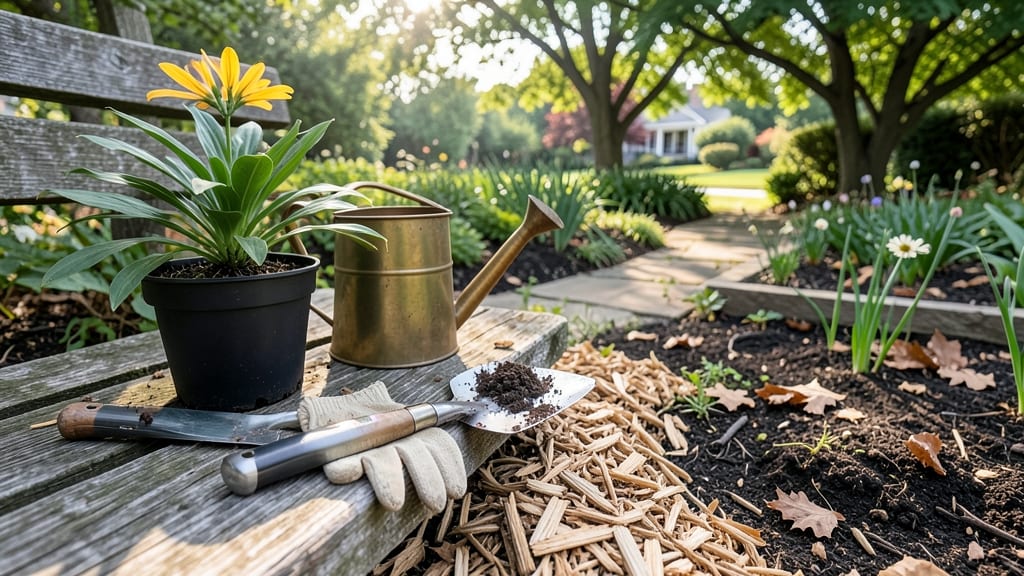
Timing your perennial planting in Zone 5 wrong can mean the difference between a thriving garden and a sad pile of frost-nipped 🌱 scraps. I’ve learned the hard way—planting too early means delicate roots freezing, while waiting too long risks weak establishment before winter.
The key? Understanding your last frost date (usually around May 15 in Zone 5) and soil temperature, not just the calendar.
Most gardeners in Zone 5 swear by two windows: early spring (March-April) after the last frost or early fall (September-October) to give roots time to settle before winter.
But here’s the secret—some hardy perennials, like coneflowers or lavender, can handle cooler soil, while tender varieties need warmer temperatures. I’ll break down exactly which plants thrive when, so you can stop guessing and start growing.
Even if your zone is technically 5, microclimates matter—south-facing slopes warm up faster, while low spots stay cold longer. That’s why I’ll share how to adjust your planting timeline based on your specific yard conditions.
Plus, mulching tricks to extend your season and protect your perennials from erratic Zone 5 weather.
Ready to plant with confidence? Let’s dive into the exact months, soil prep tips, and cold-hardy varieties that will turn your Zone 5 garden into a year-round showstopper—no more second-guessing, just beautiful blooms.
Zone 5 planting timeline: exact months for perennials by hardiness type
In Zone 5, the key to successful perennial planting is understanding your last frost date (typically around May 15) and first frost date (usually October 1). These dates create two ideal planting windows: early spring (March-April) and early fall (September-October).
Planting outside these windows risks exposing tender roots to frost or preventing root establishment before winter.
Not all perennials thrive under the same conditions. Cold-hardy perennials (like peony or catmint) can handle Zone 5’s winters, while tender perennials (like lavender or Russian sage) need extra protection.
Your planting strategy should align with each plant’s USDA hardiness zone rating—aim for varieties rated Zone 3-9 for maximum success.
🌱 Zone 5 Perennial Planting Timeline
| Planting Window | Ideal Months | Soil Temperature | Plant Types | Key Tip |
|---|---|---|---|---|
| Early Spring | March-April | 40-50°F | Cold-hardy perennials (Zone 3-5) | Plant after last frost; mulch to protect roots. |
| Late Spring | May | 55-65°F | Tender perennials (Zone 6-9) | Use row covers if frost threatens. |
| Early Fall | September-October | 50-60°F | All perennials (except frost-sensitive) | Plant 6-8 weeks before first frost. |
For early spring planting, focus on cold-hardy perennials like peony or hosta. These plants thrive when soil temperatures reach 40-50°F. Start seeds indoors in February for a head start, then transplant outdoors after the last frost. Use mulch (2-3 inches) to insulate roots and retain moisture.
If you prefer fall planting, aim for September-October, giving plants time to establish roots before winter. This method reduces transplant shock and often yields stronger growth the following spring. Russian sage and catmint are excellent choices for fall, as they benefit from cooler temperatures.
For tender perennials (like lavender or salvia), wait until late spring (after May 15) when soil temperatures consistently stay above 55°F. These plants are more vulnerable to frost damage, so monitor weather forecasts and use row covers if nighttime temperatures dip below 40°F.
Always check your local last frost date using the USDA Plant Hardiness Map, as microclimates (like urban areas or slopes) can shift frost dates by 1-2 weeks. For example, Chicago typically has a later last frost than Columbus, so adjust accordingly.
Pro tip: Plant early bloomers (like bleeding heart) in March and late bloomers (like coneflower) in April for staggered color.
Extend your planting season with soil warming techniques, such as black plastic mulch or cold frames. These methods can push your spring planting window back by 2-3 weeks, allowing you to plant tender perennials earlier. Just ensure the soil isn’t waterlogged—perennials hate soggy roots! 🌱
Remember, fall planting is ideal for dormant-season root growth. Choose September for most perennials, but Russian sage and lavender can handle October planting if you mulch heavily. Avoid planting in November, as roots won’t have enough time to establish before winter.
Use this planting timeline as your guide, but stay flexible. Zone 5’s unpredictable weather means you might need to adjust based on soil conditions and rainfall. Always prioritize root establishment over early blooms—healthy roots mean longer-lasting perennials! ☀️
Zone 5 planting timeline: exact months for perennials by hardiness type
Timing is everything when planting perennials in Zone 5. The key is to balance soil temperature (ideally 50-60°F) with frost-free windows. Most perennials thrive when planted after the last frost date (around May 15 in Zone 5) or 6-8 weeks before the first frost (early September-October).
Hardiness matters! Cold-hardy perennials (Zones 3-5) like peony or coneflower can handle early spring planting, while tender varieties (Zones 6-9) like lavender need warmer soil. Always check your USDA Plant Hardiness Map for precise local guidance.
| Planting Window | Hardiness Zones | Soil Temp | Best Months |
|---|---|---|---|
| Early Spring | 3-5 | 50-60°F | March-April |
| Late Spring | 6-9 | 60-70°F | May-June |
| Early Fall | All Zones | 50-60°F | September-October |
For spring planting, aim for March-April when soil is workable but not soggy. Fall planting (September-October) gives roots time to establish before winter. Tender perennials like Russian sage should wait until after Memorial Day when nighttime temps stay above 55°F.
Pro tip: Use a soil thermometer to confirm 50°F+ soil temps before planting. Cold frames or row covers can extend your planting window by 2-3 weeks in early spring or late fall. Always water deeply after planting to encourage root growth.
Remember, Zone 5’s unpredictable weather means flexibility is key. If frost threatens, cover new plants with burlap or frost cloth. Mulch with 2-3 inches of straw after planting to retain moisture and regulate soil temperature.
Start with hardy perennials like hostas or daylilies for confidence—these thrive even if timing isn’t perfect. For tender varieties, wait until mid-May or plant in containers for easier winter protection.