
Watering
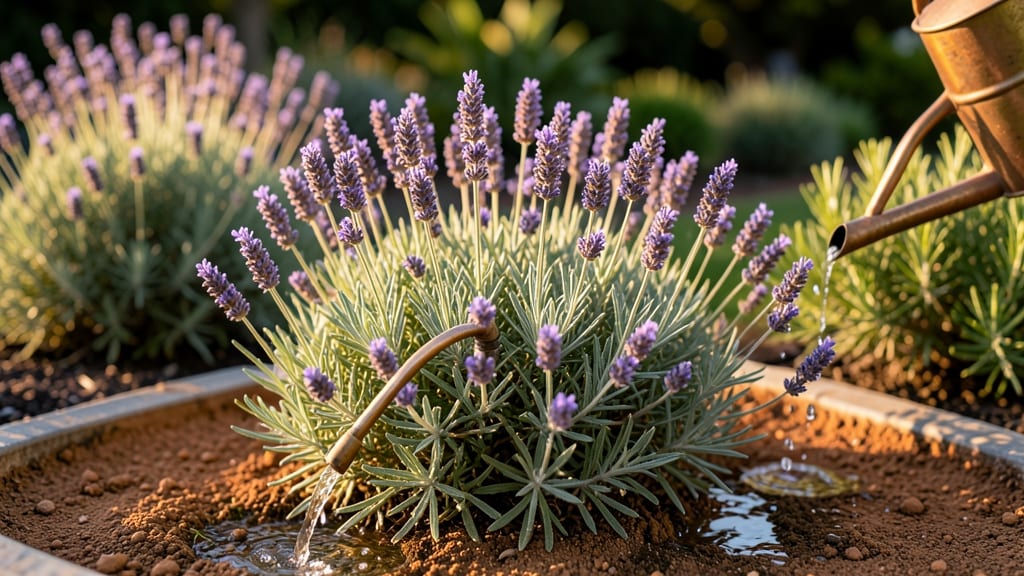
Wondering how much water your lavender 🌿 plant truly needs? Most gardeners overdo it—drowning these drought-loving beauties instead of giving them just enough to thrive. The key isn’t daily sips but deep, infrequent drinks that mimic their Mediterranean roots.
I’ve learned the hard way that lavender despises soggy soil, yet many of us water it like a thirsty tomato plant. The secret lies in understanding its natural habits: deep watering once a week in summer, less in cooler months, and almost nothing in winter.
Let’s break down exactly how to strike that perfect balance.
Whether you’re growing lavender in pots or garden beds, soil type and climate play huge roles. Sandy soil drains faster than clay, and container plants dry out quicker than in-ground ones. I’ll show you how to adjust your watering routine based on these factors—so you never guess again.
Ready to rescue your lavender from the brink of overwatering? By the end of this guide, you’ll know exactly when, how much, and how to water your plant for lush, fragrant growth—without turning your garden into a swamp.


How much water lavender needs: the exact schedule for healthy growth
Lavender thrives on minimal water—this Mediterranean native detests soggy roots more than thirst. As someone who’s lost three lavender plants to overwatering, I can tell you: less is always more. The key is deep, infrequent watering that encourages strong root growth without drowning the plant.
New lavender plants need more frequent watering (about once a week) to establish roots, but mature plants can go 2-3 weeks without water in ideal conditions.
The soil type and climate zone play huge roles—sandy soil drains faster than clay, and hot, dry summers demand less water than humid springs.
Here’s the golden rule: Always check soil moisture before watering. Stick your finger 2 inches deep—if it feels dry, water deeply. If it’s damp, wait another 3-5 days. Overwatering causes root rot, while underwatering leads to wilting and stunted growth. Balance is everything!
| Season | Watering Frequency | Depth | Signs of Overwatering |
|---|---|---|---|
| Spring | Every 5-7 days | 6-8 inches | Yellowing leaves, mushy stems |
| Summer | Every 10-14 days | 8-10 inches | Wilting despite water |
| Fall | Every 2-3 weeks | 4-6 inches | Slow growth, leaf drop |
| Winter | Monthly (light) | 2-3 inches | Brown leaf tips |
In spring, lavender wakes up from dormancy and needs gentle encouragement. Water lightly but frequently (every 5-7 days) to avoid shocking the roots. Think of it like waking a sleepy friend—slow and steady wins the race.
Use a soaker hose or drip irrigation to deliver water directly to the roots and reduce evaporation.
By summer, lavender is in its prime and needs deep, infrequent watering. Aim for every 10-14 days, soaking the soil 8-10 inches deep. Morning watering is critical—it gives foliage time to dry before evening, preventing fungal diseases.
I’ve seen lavender survive months without rain in well-draining soil, but wilting is a clear distress signal that it’s time to hydrate.
As fall approaches, reduce watering to every 2-3 weeks. Lavender prepares for dormancy, and overwatering now can rot roots before winter. Let the soil dry out completely between waterings.
In winter, most lavender needs almost no water—just a monthly light drink if your climate is mild and rainy. In freezing zones, mulch around the base to insulate roots and retain moisture.
Watch for yellowing leaves, which often signal overwatering, or grayish-green foliage, a sign of underwatering. Lavender’s fragrance is another clue—strong scent means it’s happy; faint or missing scent means it’s stressed. Adjust your watering routine based on these visual cues and your local climate.
Pro tip: Group lavender with other drought-tolerant plants like rosemary, thyme, or sedum. They’ll all thrive on the same minimal watering schedule, saving you time and effort. And if you’re in a container, choose pots with drainage holes—this isn’t negotiable for lavender!
Remember, lavender’s drought tolerance is legendary. In my Zone 7a garden, established lavender bushes survive summer heatwaves with zero supplemental water. The key is preparing the soil right at planting—amend with gravel or sand to improve drainage, and avoid heavy, clay soils.
With the right watering routine, your lavender will reward you with years of fragrant blooms and low-maintenance beauty. 🌿
How much water lavender needs: the exact schedule for healthy growth
Lavender thrives on neglect—literally! This Mediterranean native despises soggy soil, so less water is almost always better than more. My first lavender plant died from overwatering before I learned this lesson.
The key is deep but infrequent watering to encourage strong root growth. Let’s break down the science-backed schedule you need for seasonal success.
New lavender plants (first year) need more frequent watering to establish roots. Water every 5-7 days during their first summer, but always check soil moisture before watering. Stick your finger 2 inches deep—if it’s dry, water; if damp, wait.
Mature lavender (2+ years old) can go 2-3 weeks without water in ideal conditions, making it perfect for low-maintenance gardens.
🌱Seasonal watering schedule: Spring and fall require moderate watering (every 10-14 days), while summer’s heat demands deep watering every 2 weeks. Winter is the driest season—water only if soil is bone-dry (once a month at most).
| Season | Watering Frequency | Soil Check | Signs of Overwatering |
|---|---|---|---|
| Spring (March-May) | Every 10-14 days | 2" deep (dry) | Yellow leaves, mushy stems |
| Summer (June-August) | Every 2 weeks (deep) | 3" deep (bone-dry) | Root rot, wilting despite water |
| Fall (September-Nov) | Bi-weekly (light) | 1" deep (slightly dry) | Brown leaf tips |
| Winter (Dec-Feb) | Monthly (if dry) | 1" deep (completely dry) | None (dormant phase) |
Watering in the morning (before 10 AM) prevents fungal diseases like root rot. Avoid evening watering—wet foliage overnight invites pests. For container-grown lavender, use pots with drainage holes and water 20% more frequently than in-ground plants.
Mulch around the base (but not touching stems) to retain moisture without suffocating roots.
Watch for underwatering signs: Crispy leaf edges or grayish-green foliage means your lavender is thirsty. Overwatering shows as yellowing leaves or a mushy stem base. If you see these, adjust immediately—lavender recovers faster from drought than from soggy soil.
My hardiest lavender survived a summer drought with zero water once the roots were established!
💧Pro tip: Group lavender with other drought-tolerant plants like rosemary or thyme to create a low-water Mediterranean garden. This reduces maintenance and mimics lavender’s native habitat. With this schedule, your lavender will reward you with fragrant blooms and years of effortless beauty.