
How To
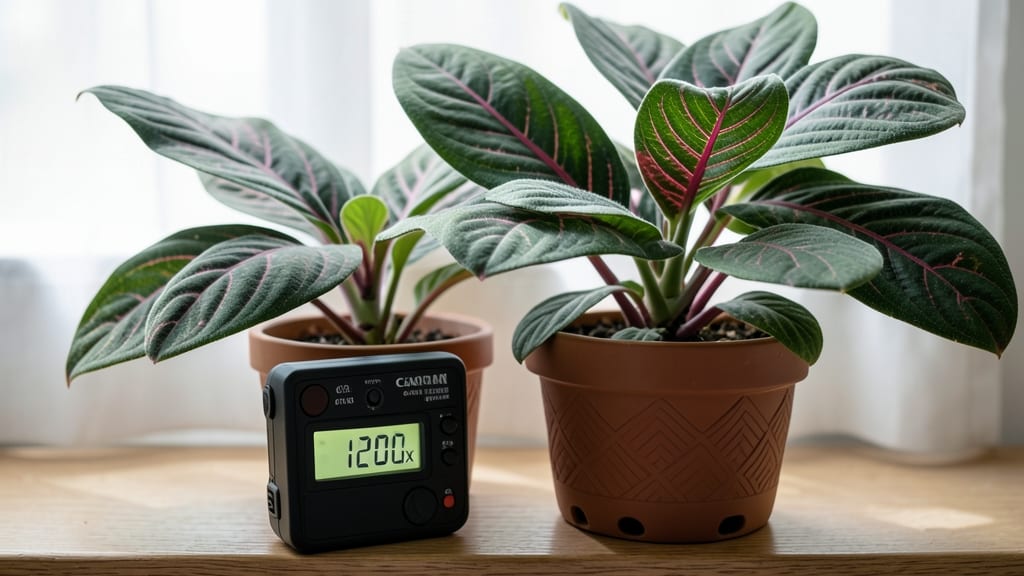
To keep your prayer plant 🌿 thriving, how much light does the plant need is the key—not too bright, not too dim, but just enough to fuel those stunning patterned leaves.
If you’ve noticed your Maranta leuconeura’s leaves drooping or turning pale, it’s likely begging for better lighting conditions. This tropical beauty craves bright, indirect light, mimicking its natural understory habitat. Too much direct sun? Watch for crispy edges. Too little? You’ll see slow growth and weak stems.
I’ll show you exactly where to place your plant—whether near an east-facing window or under a grow light—for lush, vibrant foliage. Plus, I’ll share how to spot the signs of over- or underlighting so you can adjust before it’s too late.
Let’s dive into the perfect lighting setup to keep your prayer plant happy and healthy year-round.
 Best Window Placement
Ideal light requirements for prayer plant growth and health
The prayer plant (Maranta leuconeura) thrives in bright indirect light, mimicking its natural understory habitat. Too much direct sun causes leaf scorch, while insufficient light leads to leggy growth and pale foliage.
Aim for 4-6 hours of filtered light daily, like an east-facing window or dappled shade outdoors. This balance ensures vibrant purple-veined leaves and compact growth.
For indoor growers, position your plant 2-3 feet from a window to avoid harsh afternoon rays. A sheer curtain can diffuse strong sunlight, creating the perfect low-to-medium light environment.
North-facing windows work too, but supplement with LED grow lights if leaves start stretching toward the light—a clear sign of light deprivation.
🌿 Prayer Plant Light Requirements Summary
| Requirement | Specification |
|---|---|
| Light Type | Bright indirect (40% sunlight) |
| Daily Duration | 4-6 hours |
| Best Window | East or west-facing |
| Distance from Window | 2-3 feet |
| Artificial Light | LED grow bulb (12-14 hrs/day) |
| Signs of Overlighting | Brown leaf tips, crispy edges |
| Signs of Underlighting | Leggy stems, pale leaves, slow growth |
Rotate your prayer plant every 2-3 weeks to ensure even light exposure on all sides. This prevents one-sided growth and keeps the foliage symmetrical.
If your plant develops yellow patches or drooping leaves, it may be reacting to sudden light changes—gradually acclimate it to brighter spots over 7-10 days.
Outdoor gardeners can place prayer plants in partial shade gardens or under tree canopies where they receive morning sun and afternoon shade. Avoid placing them in full sun, as the leaves will burn within hours.
In summer heat, even filtered light can become intense—move your plant to a shadier spot or provide afternoon shade with a lightweight shade cloth.
For low-light conditions, like a north-facing room, use a full-spectrum LED grow light placed 6-12 inches above the plant. Run it for 12-14 hours daily to mimic natural daylight cycles.
Brands like Sylvania Grow Lux or GE LED Plant Lights are budget-friendly options that deliver optimal light spectra for foliage plants.
Monitor your plant’s response to light by observing leaf color and growth rate. Healthy prayer plants have deep green leaves with purple undersides and grow compact and bushy. If you notice stunted growth or leaves losing their variegation, it’s time to adjust the light source or placement.
Consistency is key—prayer plants adapt best to stable lighting conditions.
In winter months, when natural light is scarce, supplement with a timer-controlled grow light to maintain 12-hour light cycles. This prevents dormancy-like symptoms and keeps your plant growing steadily.
Avoid placing prayer plants near heat sources or drafty windows, as temperature fluctuations can stress the plant and affect its light requirements.
Pro tip: Use a light meter (like the Apollo Horticulture Light Meter) to measure light levels in foot-candles. Ideal conditions for prayer plants fall between 500-1,000 foot-candles. If readings are below 300 foot-candles, it’s time to relocate or add artificial lighting.
Remember, every home’s lighting varies—experiment with different placements and observe your plant’s reactions. With the right balance of bright indirect light, your Maranta leuconeura will reward you with lush, vibrant foliage year-round. 🌱
Ideal light requirements for prayer plant growth and health
Your prayer plant (Maranta leuconeura) thrives in bright, indirect light, mimicking its natural understory habitat. Too much direct sun causes leaf scorch, while too little leads to leggy growth and pale leaves.
The sweet spot? 4-6 hours of filtered light daily, like an east-facing window where morning sun is gentle.
If your plant’s leaves fold upward at night (a natural movement), it’s healthy—but if they stay curled or turn brown, it’s signaling light stress. South-facing windows can be too harsh; use sheer curtains to diffuse intensity. North-facing windows may not provide enough light, especially in winter.
| Light Requirement | Specification |
|---|---|
| Intensity | Bright indirect (40% sunlight) |
| Duration | 4-6 hours daily |
| Best Window | East or west-facing |
| Distance from Window | 2-3 feet away |
| Artificial Light | LED grow bulb (6000K) |
For low-light conditions, supplement with a 12-hour LED grow light (6000K color temperature) placed 6-12 inches above the plant. Rotate the pot quarter-turn weekly to prevent uneven growth toward the light source. Avoid fluorescent bulbs—they emit too little blue spectrum for optimal photosynthesis.
In summer, watch for afternoon sun (1 PM–4 PM), which can burn leaves. Move your prayer plant 2 feet back from the window or use a light filter screen. If leaves develop crispy brown edges, it’s a clear sign of sunburn, and you’ll need to adjust placement immediately.
Pro tip: Test your light levels with a light meter app (like "Light Meter" for smartphones). Aim for 1,000–3,000 lux—any lower risks leggy growth, while higher values risk scorching. Most homes naturally hit this range near east-facing windows during spring and fall.
Remember, prayer plants are adaptable but hate sudden changes. If you move it to a brighter spot, do so gradually over 1-2 weeks to avoid shocking the foliage. Patience and observation are key—your plant will thank you with vibrant, velvety leaves! 🌿