
Plants
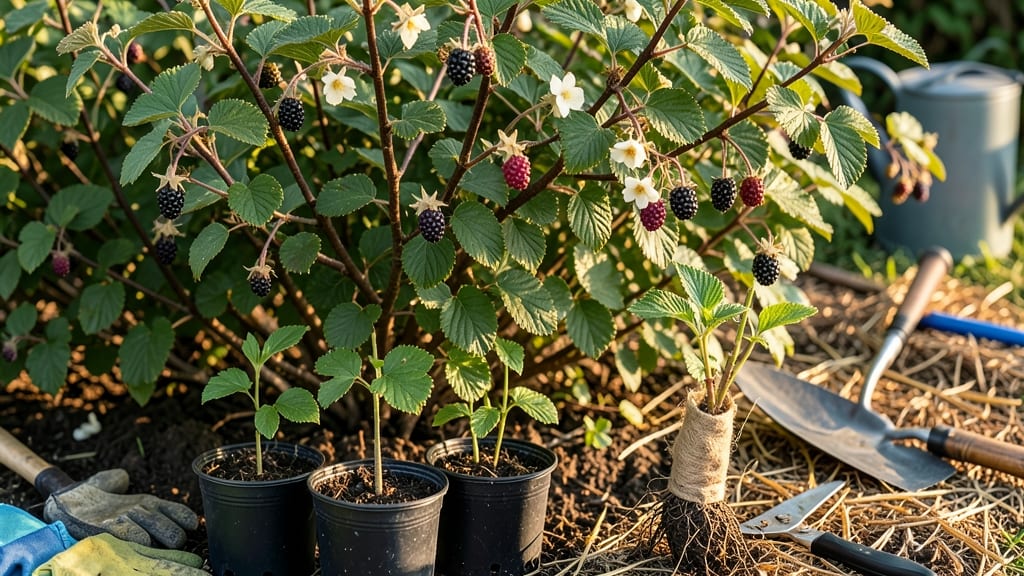
Timing your blackberry 🫐 planting in Oklahoma isn’t just about the calendar—it’s about matching your variety to the state’s tricky climate shifts. Plant too early, and late frosts will nip your canes before they take root; too late, and your berries might never ripen before summer’s brutal heat.
But get it right, and you’ll enjoy a harvest that rivals the best farmers' markets.
Most gardeners in Oklahoma’s 6a-8a zones swear by fall planting—September through October—as the sweet spot for establishing strong roots before winter. Yet spring planting (February-March) still works if you’re in warmer southern regions like Oklahoma City, where milder winters mean less risk of frost damage.
The key? Knowing your blackberry’s chill-hour needs and when your local soil thaws.
I’ve tested both approaches across Oklahoma’s diverse microclimates, and the results speak for themselves: fall-planted bushes fruit earlier and heavier, while spring-planted varieties often catch up by summer. But neither succeeds without proper soil prep—drainage, mulch, and shade protection during those 100-degree Oklahoma summers make all the difference.
Ready to turn your backyard into a blackberry goldmine? I’ll walk you through the exact steps—from selecting the right cultivar for your zone to avoiding the 3 biggest mistakes that kill Oklahoma blackberry plants. Let’s get those canes in the ground the right way.
Oklahoma blackberry planting zones & chill-hour requirements
Oklahoma’s diverse climate—from the cooler northern regions to the hotter southern areas—means blackberry varieties must match your USDA zone and chill-hour needs for success. Northern Oklahoma (zones 6a-7a) thrives with thornless varieties like 'Cheyenne' or 'Navaho,' which need 500-700 chill hours.
Southern Oklahoma (zones 7b-8a) does best with low-chill varieties like 'Arapaho' or 'Kiowa,' requiring 300-500 chill hours.
Chill hours are critical: blackberries need dormancy periods below 45°F to set fruit properly. If you’re in zone 8a (southern Oklahoma), avoid high-chill varieties—they’ll fail to fruit. Always check the cultivar’s chill-hour range before planting to avoid disappointment.
Here’s how to match your zone and chill needs for peak harvests:
| Zone | Chill Hours Needed | Best Varieties | Notes |
|---|---|---|---|
| 6a-7a (North OK) | 500-700 | Cheyenne, Navaho, Triple Crown | Thornless, high-yielding |
| 7b (Central OK) | 300-500 | Arapaho, Kiowa, Ouachita | Heat-tolerant, semi-thornless |
| 8a (South OK) | 200-300 | Natchez, Choctaw, Ouachita | Low-chill, fast-growing |
If you’re unsure about your chill hours, check local weather data or ask your county extension office. Many nurseries in Oklahoma now label plants with chill-hour ranges, making it easier to pick the right variety for your microclimate.
For northern Oklahoma, plant early-season varieties like 'Triple Crown' to avoid late spring frosts. In southern Oklahoma, opt for late-season varieties like 'Natchez' to extend your harvest window. Both strategies help maximize your berry yield despite Oklahoma’s variable weather.
Pro tip: If you’re in a transition zone (like zone 7b), consider planting two varieties—one early and one late—to spread out your harvest and reduce risk. This is especially useful if you experience unpredictable frost dates.
Soil prep is just as critical as chill-hour matching. Oklahoma’s clay-heavy soils in the north and sandy soils in the south both need amendments. Mix in compost or aged manure to improve drainage and fertility before planting. Aim for a pH of 5.5-6.5—blackberries hate alkaline soil!
Once your soil is prepped and variety is chosen, the next step is timing. Planting too early or too late can stress your canes and reduce fruiting.
We’ll cover the best months in our next section, but remember: fall planting is ideal for Oklahoma’s climate, giving roots time to establish before winter.
🌱
Best planting months in Oklahoma: a month-by-month guide
Timing your blackberry planting in Oklahoma is all about avoiding late spring frosts and giving plants enough time to establish before winter. The ideal window spans from late winter to early spring (February–March) or fall (September–October), but your exact timing depends on your USDA zone and microclimate.
For northern Oklahoma (Zones 6a–7a), focus on late March to early April when soil temperatures consistently stay above 50°F. Southern regions (Zones 7b–8a) can plant as early as February, but avoid planting before mid-February to prevent cold damage to tender roots.
Fall planting (September–October) is a smart strategy for Oklahoma gardeners, especially in southern zones. This gives roots time to establish before winter while avoiding summer heat stress. In northern Oklahoma, aim for late September to allow canes to harden off before frost.
Best for southern Oklahoma (Zones 7b–8a). Soil should be workable but not frozen. Plant bare-root canes 2–3 weeks before last frost (avg. March 15).
Wait until after last frost (Zone 6a–7a). Soil temps should stay above 55°F for 7+ days. Use mulch to protect roots from temperature swings.
Best for all zones. Plant 6–8 weeks before first frost (avg. November 15). Canes need 4–6 weeks to root before winter dormancy.
Never plant in summer (June–August)—heat stress kills young roots. Skip November unless using protected microclimates (e.g., raised beds).
Adjust your schedule based on microclimates. South-facing slopes warm up faster, while low-lying areas may stay colder longer. Use a soil thermometer to confirm temps are above 50°F before planting—cold soil slows root growth and increases disease risk.
For container gardening, plant in late April to early May when soil warms up. Containers heat up faster, so monitor moisture closely. Use black plastic pots to absorb heat and extend the growing season by 2–3 weeks in cooler zones.
Pro tip: Mark your planting dates on a garden calendar and track chill hours if growing northern varieties. Oklahoma’s variable winters mean some years may need adjusted timing—stay flexible and observe your plants’ progress.