
Plants
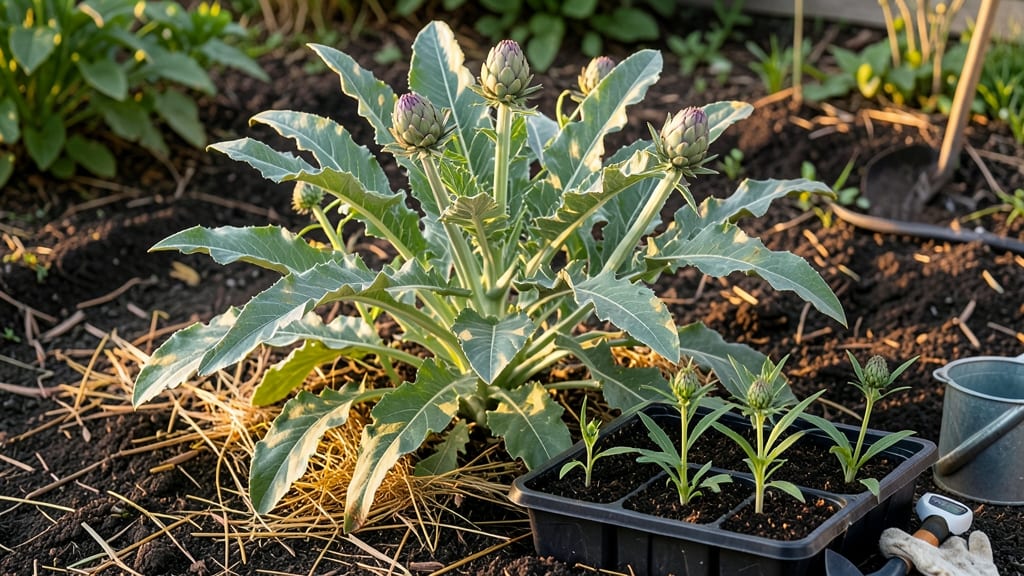
Planting artichokes in Zone 9 isn't just about avoiding frost—it's about capturing that sweet spot when soil warmth triggers growth, not stress. Unlike colder zones, your mild winters mean you can start as early as October, but timing matters more than you'd think.
I've learned the hard way that rushing artichokes 🌱 into cool soil (below 50°F) stalls their development, while waiting too long risks summer heat stress. The key is planting when temperatures consistently stay above that threshold—usually between October and March in Southern California or Phoenix.
Whether you're starting from transplants or seeds, this window gives your artichokes the head start they need. You'll discover exactly how to read your soil's temperature cues and adjust for your specific microclimate—because even within Zone 9, Phoenix's desert heat behaves differently than coastal Southern California's marine layer.
Let's break down the three perfect planting windows and how to prepare your soil so your artichokes thrive from the first sprout to harvest-ready buds. Your March-June harvest depends on getting this right!
Optimal planting windows for artichokes in Zone 9 based on soil temperature
In Zone 9, where frost is rare but soil temperature dictates success, timing your artichoke planting to 50°F+ soil warmth is critical. Unlike colder zones, you have three distinct planting windows—fall, winter, and early spring—that align with your region's microclimates.
Missing these windows means risking heat stress or stunted growth during summer's intense sun.
Southern California's coastal areas (like San Diego) can plant as early as late September, while inland desert regions (like Phoenix) should wait until November to avoid premature bolting. My soil thermometer is my best friend here—never plant until the top 6 inches consistently read 50°F or warmer.
Here’s the golden rule: Plant 6-8 weeks before your last frost date—though in Zone 9, frost is unlikely. Instead, focus on heat avoidance.
Fall plantings (October-November) give roots time to establish before summer’s 100°F+ soil temps, while spring plantings (February-March) must happen before April’s heat spike.
| Planting Window | Soil Temp Requirement | Zone 9 Microclimate | Key Consideration |
|---|---|---|---|
| Late September - October | 50-55°F | Coastal (San Diego, LA) | Avoid summer heat; mulch heavily |
| November - December | 55-60°F | Inland (San Bernardino, Riverside) | Best balance of cool temps and growth |
| February - Early March | 60°F+ | Desert (Phoenix, Tucson) | Risk of early bolting; use shade cloth |
For desert Zone 9 gardeners (like those in Phoenix), February plantings are riskier due to rapid warming. I’ve seen artichokes bolt prematurely if soil temps exceed 70°F too soon. My trick? Use shade cloth (30-50%) for the first 4-6 weeks to slow growth until roots establish.
If you’re in coastal Zone 9, like Santa Barbara, October is ideal. The ocean breeze moderates temps, and your plants won’t face the 110°F+ soil of inland summers. Just ensure your drainage is perfect—artichokes hate soggy roots, even in mild climates.
Pro tip: Transplants (not seeds) are your best bet in Zone 9. Starting seeds indoors in August-September gives you a head start, but young plants are delicate. I recommend 6-8 week old seedlings from nurseries like Johnny’s Selected Seeds or local growers who specialize in Mediterranean varieties.
Watch for heat stress signs like yellowing leaves or curled buds—these mean it’s too late for that planting window.
In my Zone 9b garden, I’ve lost entire crops by ignoring these warnings. Adjust your schedule based on your specific microclimate: valleys heat up faster than hillsides, and urban areas can be 5-10°F warmer than rural spots.
Remember, artichokes are cool-season crops at heart. They’ll bolt (flower prematurely) if stressed by heat. Your goal is to keep soil temps between 50°F and 75°F during the critical first 60 days of growth. Use mulch (4-6 inches of straw) to insulate roots and drip irrigation to maintain even moisture.
Finally, harvest timing matters just as much as planting. In Zone 9, your March-April plantings will produce buds ready by June-July, while fall plantings yield in March-April. Plan ahead—artichokes don’t store well, so harvest as they ripen or preserve them fresh.
How to prepare your Zone 9 soil for artichoke success (before planting)
Artichokes thrive when your Zone 9 soil is rich, well-draining, and properly balanced. Unlike cooler climates, your mild winters mean you can prep soil year-round—but fall prep is critical before your October-March planting window.
Start by testing your soil pH (aim for 6.5-7.5), as artichokes hate acidic conditions. Use a simple home pH kit or send a sample to your local extension office for precise results.
Artichokes demand organic matter to fuel their 4-6 ft growth. Work in 3-4 inches of compost or well-rotted manure into the top 12 inches of soil.
For heavier clay soils common in Southern California, mix in sand or perlite to improve drainage—waterlogged roots spell disaster for these Mediterranean natives. A mulch layer of straw or wood chips after planting helps retain moisture during Zone 9’s dry spells.
Organic vs. Synthetic Soil Amendments
ORGANIC
- ✅ Improves soil structure long-term
- ✅ Enhances microbial activity
- ✅ Slow-release nutrients
- ✅ Eco-friendly
SYNTHETIC
- ✅ Fast nutrient delivery
- ✅ Precise nutrient ratios
- ❌ Can burn roots if overused
- ❌ No soil structure benefits
For Zone 9, organic amendments like composted manure or worm castings are ideal—they mirror artichokes' native Mediterranean soil conditions.
Don’t forget companion planting to deter pests like artichoke plume moths. Pair your artichokes with garlic, onions, or marigolds—their strong scents confuse pests. Avoid planting near potatoes or tomatoes, which compete for nutrients and attract similar pests.
In Arizona’s desert regions, add a 5-inch layer of mulch to protect roots from extreme temperature swings between day and night.
One Zone 9-specific tip: If your soil feels too sandy (common in Phoenix areas), mix in 20% coconut coir to retain moisture without compacting. For clay-heavy soils (like in parts of Southern California), create raised beds with a 50/50 mix of native soil and compost.
This mimics the well-draining Mediterranean soils artichokes prefer while adapting to your local conditions.
Finally, avoid fresh manure—it can burn tender artichoke roots. Instead, use aged compost or vermicompost (worm castings) for a gentle nutrient boost. Test your soil again 4-6 weeks before planting to confirm your amendments worked.
Your artichokes will reward you with larger buds and fewer pests when your soil is prepped just right.
With the right soil prep, your Zone 9 artichokes will establish strong roots before the spring heat arrives, setting you up for a bountiful harvest. The key? Start early, test often, and mulch heavily—your future artichoke plants will thank you! 🌱