
Watering
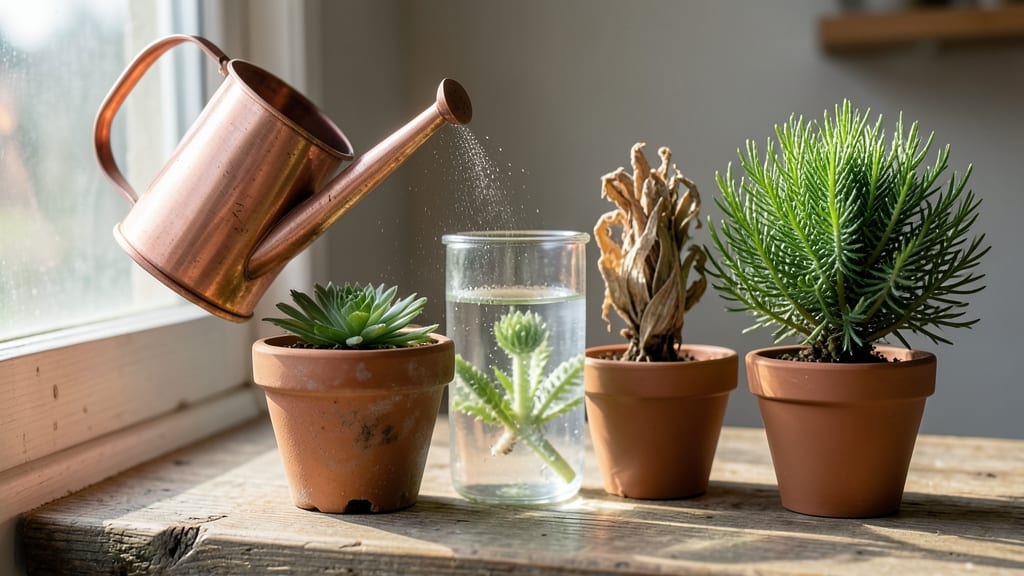
When you think of a plant that can survive months without water, the resurrection plant how much water it truly needs takes the crown—but even desert survivors require the right balance to thrive.
Too much water, and you’ll smother its roots; too little, and it might not "resurrect" when you need it to. The secret lies in a precise watering schedule that mirrors its natural drought cycles, not guesswork.
Most gardeners assume succulents like this one need minimal water, but the resurrection plant’s needs are even more specific. Unlike cacti or echeverias, it thrives on a dry-down approach, where soil moisture drops to 30-50% before the next drink.
Skipping this step can lead to root rot, even if the plant looks fine above ground. I’ve learned the hard way that patience is the key—this isn’t a plant you water on a strict weekly calendar.
Here’s what I’ll show you: the exact weekly watering schedule tailored to each season, how to spot the subtle signs of over- or underwatering, and the best methods to revive a plant that’s gone too far into dormancy.
Whether you’re a beginner or a seasoned collector, these tips will keep your resurrection plant perky and ready to spring back to life at a moment’s notice.
Ready to master the balance? Let’s dive into the science-backed routine that’s kept my resurrection plants thriving for years—no drama, just consistent results.


How much water does a resurrection plant need weekly?
The resurrection plant thrives on minimal water—its desert origins mean it’s adapted to survive droughts. Unlike most houseplants, it doesn’t need regular soaking. Instead, aim for light misting every 2-3 weeks during active growth (spring and fall) and reduce to monthly watering in winter.
Overwatering is the #1 killer, turning its papery husk into a mushy mess.
Think of it like a cactus cousin: the soil should dry out completely between waterings. Stick your finger 1 inch deep—if it feels dry, it’s time to water.
In containers, this happens faster than in garden beds, so adjust accordingly. Distilled or rainwater is ideal to avoid mineral buildup from tap water.
Seasonal shifts matter most. In spring and fall, when growth is active, water every 2 weeks with about 50-100ml per plant. Summer’s heat slows growth, so stretch it to 3-4 weeks. Winter? Just a monthly sip keeps it dormant but alive—no more.
| Season | Watering Frequency | Amount per Watering | Soil Moisture Goal |
|---|---|---|---|
| Spring | Every 2 weeks | 50-100ml | 30-50% moisture |
| Summer | Every 3-4 weeks | 30-50ml | 20-40% moisture |
| Fall | Every 2-3 weeks | 50-80ml | 30-50% moisture |
| Winter | Monthly | 20-30ml | 10-20% moisture |
Your resurrection plant’s container plays a huge role. Terracotta pots dry faster than plastic, so terracotta lovers should water slightly less often. Mix cactus soil with perlite or pumice (50/50 ratio) to mimic its native rocky soil. This blend drains excess water instantly, preventing root rot.
Pro tip: Group resurrection plants with succulents or sempervivums in the same pot. They share similar water needs, and the shared humidity helps prevent extreme dryness. Just ensure each has its own well-draining spot—no crowding roots!
Watch for seasonal cues too. If your plant starts wilting in summer, it’s not underwatered—it’s adapting to heat stress. Wait until fall to resume regular watering. The same goes for dormancy signals: if leaves shrink and turn brown, it’s entering its natural dry phase.
For first-time growers, start with a strict schedule and adjust based on your plant’s response. If it revives quickly after watering, you’re on track. If it stays shriveled for weeks, cut back on frequency. Patience is key—this plant’s revival magic takes time!
Remember: less is always more with resurrection plants. Even desert experts often underestimate their drought tolerance. When in doubt, wait another week before watering. Your plant will thank you with a lush green revival every time.
How much water does a resurrection plant need weekly?
The resurrection plant (Selaginella lepidophylla) thrives on minimal water—just enough to keep its roots hydrated without drowning. Unlike most plants, it stores moisture in its thick, papery fronds, making it one of the most drought-resistant species.
My rule of thumb? Water only when the top 1-2 inches of soil feel completely dry to the touch. Overwatering is the #1 killer of these desert survivors.
For active growth phases (spring and early summer), aim for 50-100ml of water every 2-3 weeks. Think of it like a gentle mist—just enough to moisten the soil without creating soggy conditions.
In winter, when the plant enters dormancy, reduce watering to once every 4-6 weeks or even monthly if your home stays dry.
| Season | Watering Frequency | Volume per Watering | Soil Moisture Target |
|---|---|---|---|
| Spring | Every 2 weeks | 50-100ml | 30-50% moisture |
| Summer | Every 3 weeks | 30-50ml | 20-30% moisture |
| Fall/Winter | Monthly | 20-30ml | 10-20% moisture |
💧 Pro Tip: Use a moisture meter or stick your finger 1 inch deep—if it's bone dry, it's time to water.
Container size matters! A 4-inch pot holds less moisture than a 6-inch one, so adjust your schedule accordingly. I’ve found that terracotta pots work best—they wick away excess moisture faster than plastic.
If you notice condensation inside the pot after watering, you’re overdoing it. Let the plant tell you when it’s thirsty by checking for wrinkled fronds or a lighter-than-usual green hue.
One common mistake? Watering based on a calendar rather than soil conditions. I learned this the hard way—my first resurrection plant nearly died from weekly watering in winter.
Now, I always check the soil before reaching for the watering can. The plant’s natural dormancy cycle is its superpower; respect it!
For extra insurance, I recommend using rainwater or distilled water to avoid chlorine buildup in the soil. If you must use tap water, let it sit out for 24 hours before watering.
This simple step can prevent root rot and keep your resurrection plant thriving for decades. The key is patience—this plant isn’t just surviving, it’s reviving on purpose.